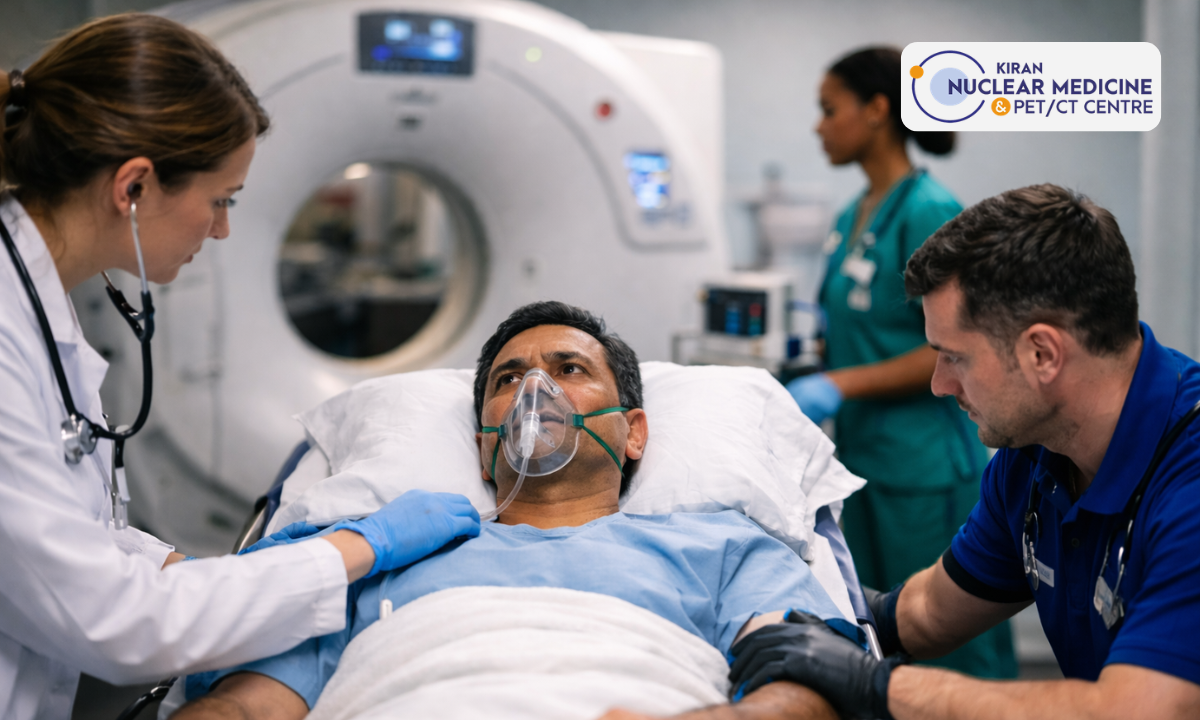
Have you ever been in a situation where every second felt critical, and you didn’t know what was happening inside your body? In such high-pressure moments, computed tomography during emergencies becomes a lifesaving diagnostic tool that empowers doctors to act quickly and confidently.
From detecting a head injury after an accident to evaluating cardiac emergencies or internal bleeding, timely imaging can change outcomes dramatically. Access to a reliable CT scan in Bangalore ensures that patients receive fast, accurate diagnoses when it matters most.
So how does this technology not only detect problems instantly but also guide life-saving treatment decisions? Let’s dive deeper.
Key Points at a Glance
- CT scans deliver detailed internal images within minutes, which is critical during emergencies
- Essential for diagnosing head injury, bone fracture, and internal trauma
- Plays a vital role in cardiac emergencies and acute abdominal conditions
- Enables faster, data-driven treatment decisions
- Helps monitor treatment progress and recovery effectively
- A trusted and widely used CT scan for emergency diagnostic tool
What is Computed Tomography and Why is it Crucial in Emergencies?
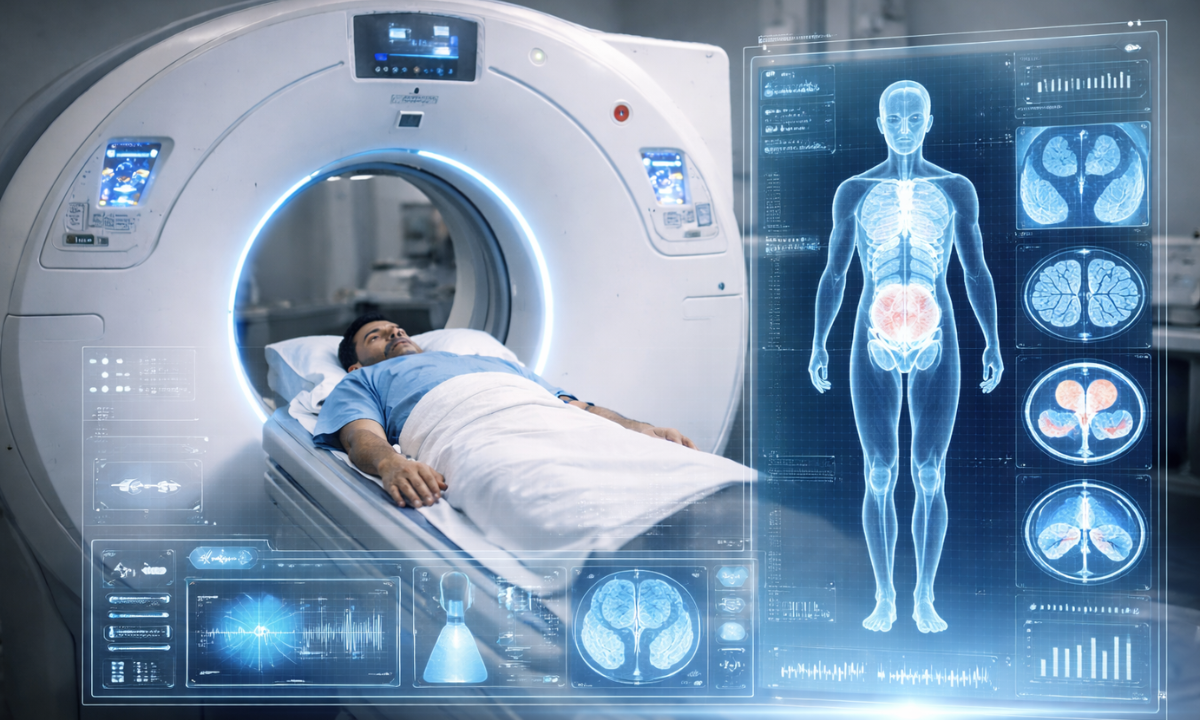
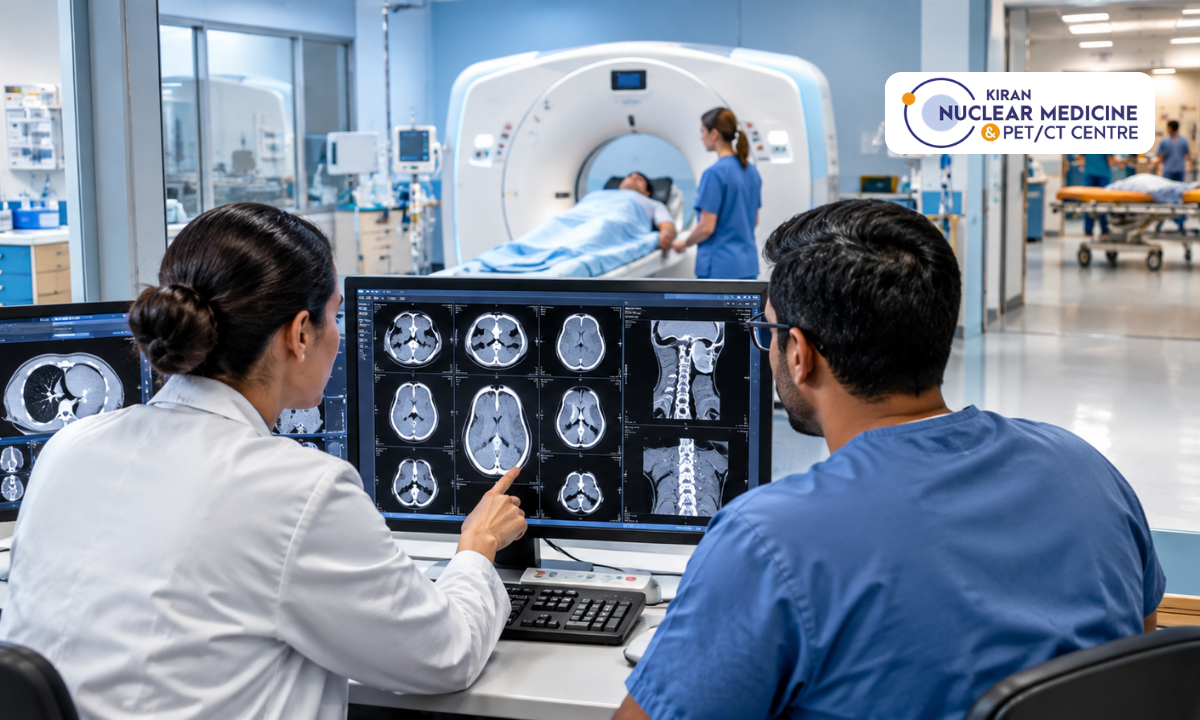
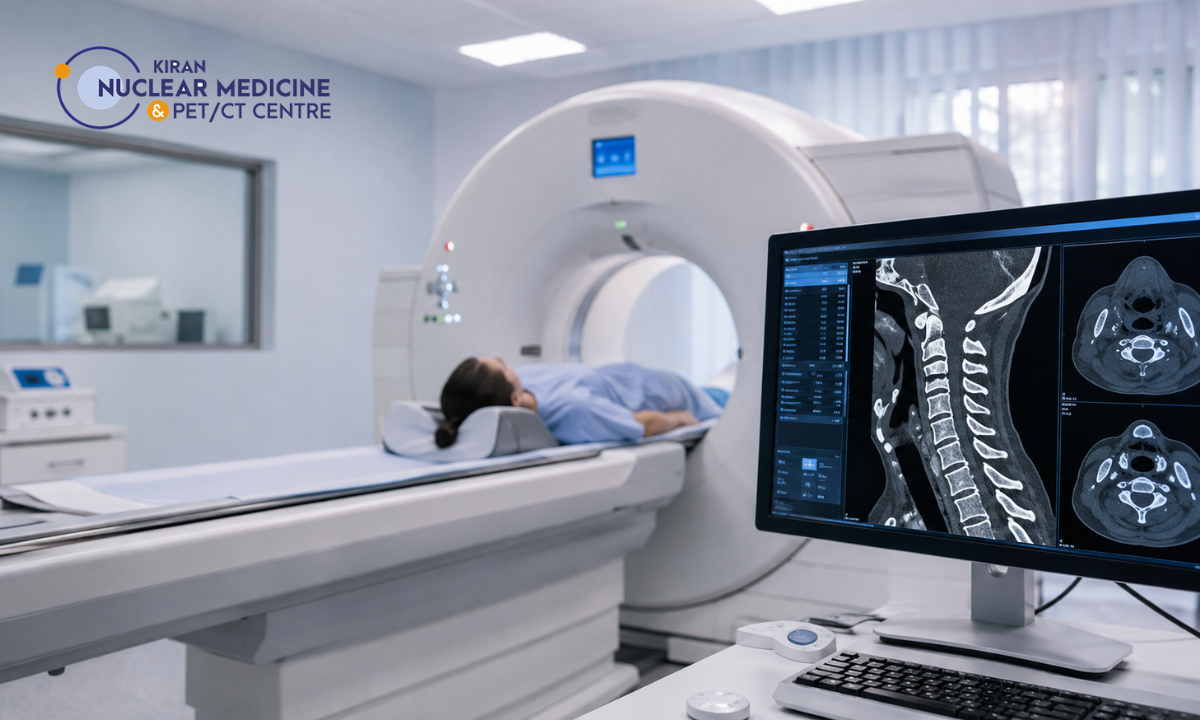
Computed Tomography (CT) is an advanced imaging technique that uses X-rays combined with computer technology to create high-resolution cross-sectional images of the body. Unlike traditional X-rays, which provide limited views, CT scans offer layer-by-layer visualisation, helping doctors detect even subtle abnormalities.
In emergency medicine, time is critical. CT scans are often the first imaging choice because they can produce results within minutes, allowing doctors to quickly identify life-threatening conditions such as internal bleeding, organ damage, or blockages. Studies indicate that CT scans contribute to faster diagnosis in over 70% of emergency cases, making them indispensable in modern healthcare.
Why CT Scan for Emergency Situations is a Game-Changer
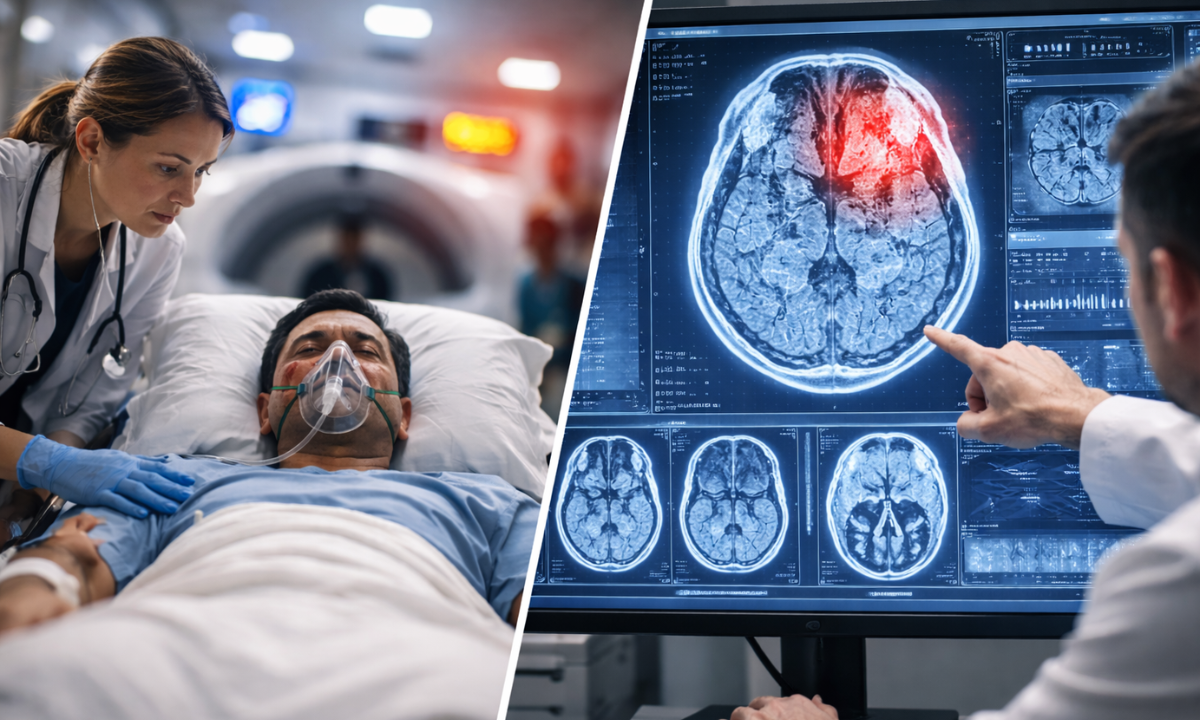
In emergencies, uncertainty can delay treatment. A CT scan for emergency use eliminates guesswork by providing immediate clarity.
What makes CT scans so effective?
- Rapid imaging: Most scans are completed within 5–10 minutes
- Detailed insights: Detects even minor internal injuries
- Whole-body assessment: Useful in trauma cases involving multiple injuries
- Non-invasive approach: No surgical procedures required
Real-Life Impact
| Emergency Situation | How CT Scan Helps |
|---|---|
| Road accident trauma | Detects internal bleeding and fractures instantly |
| Stroke symptoms | Identifies blocked or ruptured blood vessels |
| Severe chest pain | Diagnoses heart or lung-related issues |
| Acute abdominal pain | Pinpoints organ damage or infection |
Role of CT Scan in Head Injury Cases
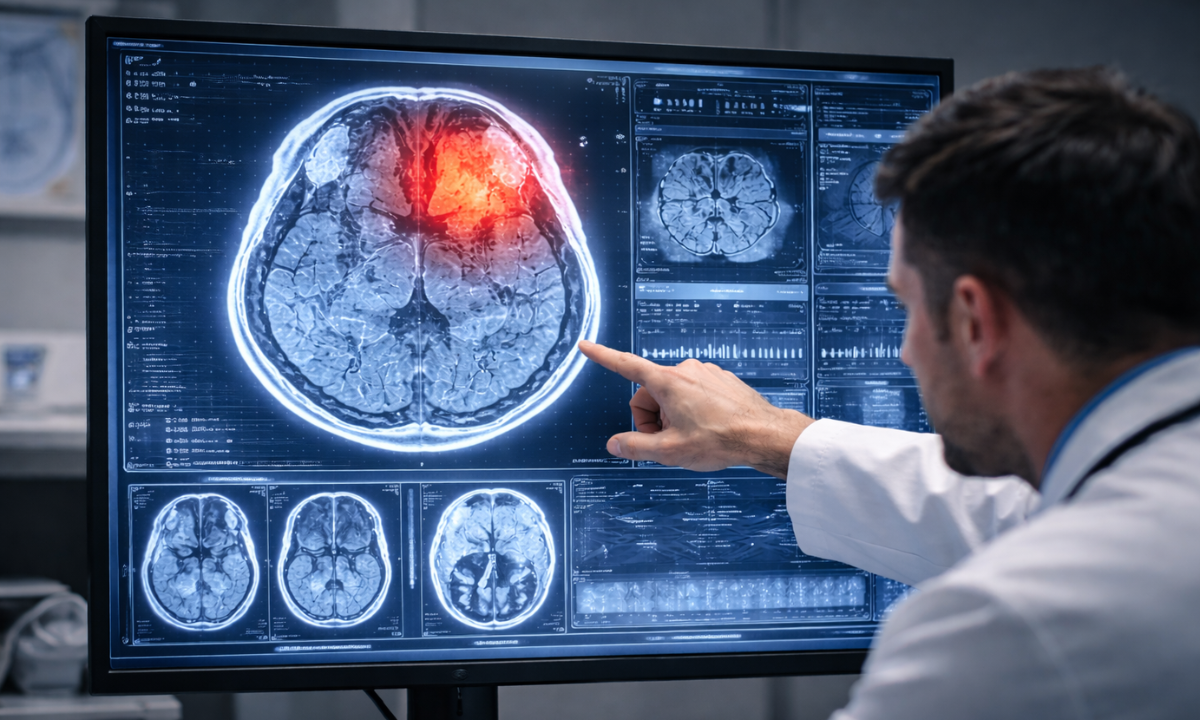
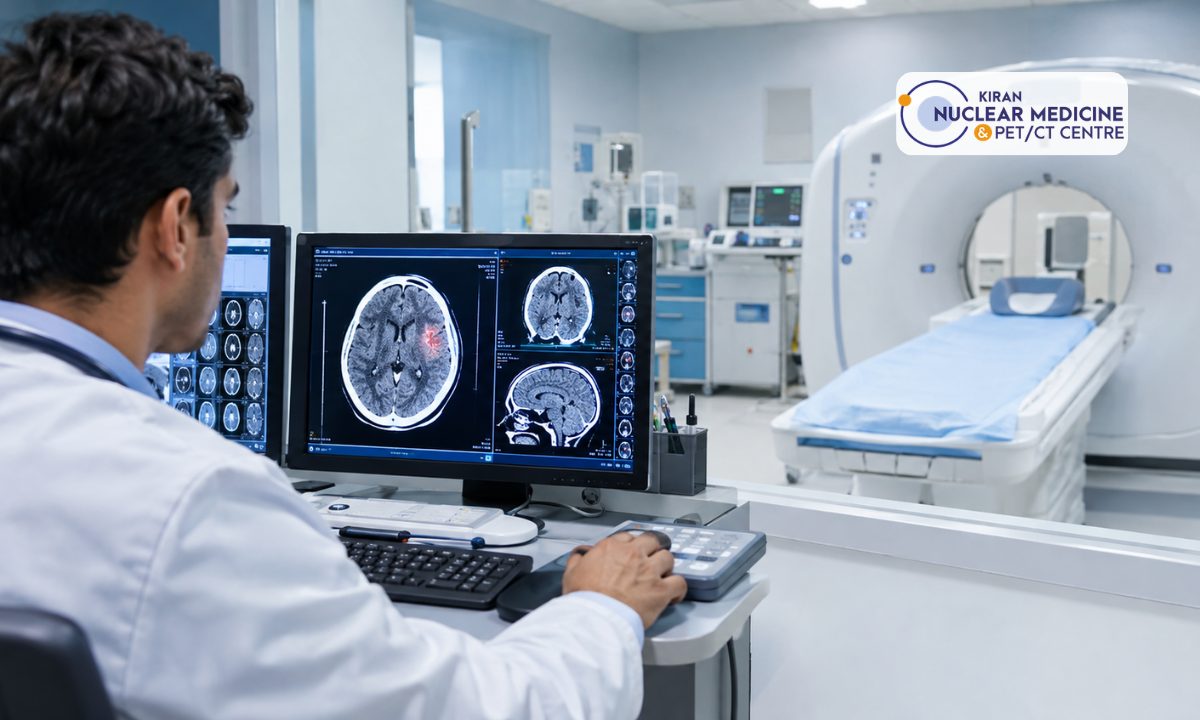
A head injury can sometimes appear minor externally, but may involve serious internal complications like bleeding or swelling in the brain. This makes early imaging absolutely critical.
CT scans help doctors:
- Detect intracranial hemorrhage (bleeding in the brain)
- Identify skull fractures and brain swelling
- Evaluate the severity of trauma within minutes
Why this matters:
According to global health data, traumatic brain injuries account for nearly 30% of injury-related deaths. Immediate CT imaging significantly improves survival chances by enabling early intervention.
CT Scans in Cardiac Emergencies
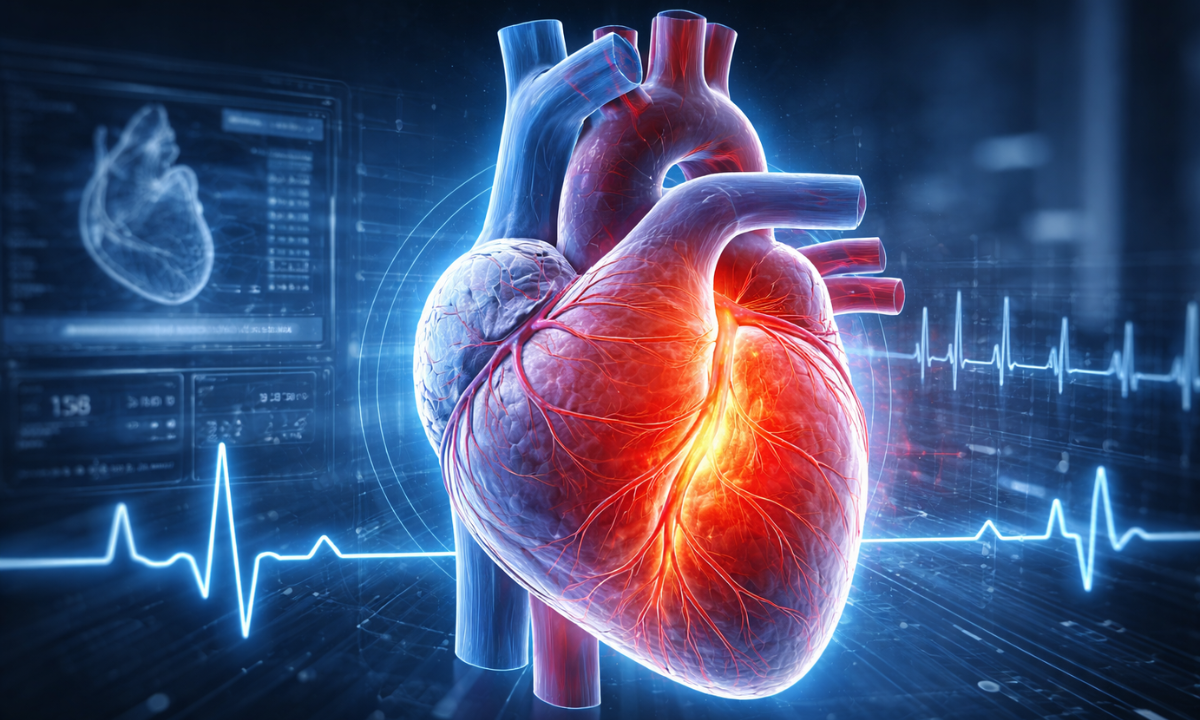
In cardiac emergencies, every second of delay can lead to irreversible damage. CT scans are increasingly used to assess heart-related conditions quickly and accurately.
What can CT scans detect?
- Blocked or narrowed coronary arteries
- Blood clots in the lungs (pulmonary embolism)
- Aortic dissection (a tear in the heart’s main artery)
Key advantage:
CT imaging can reduce diagnostic uncertainty and cut down emergency room delays by up to 30%, allowing faster treatment decisions like medication, angioplasty, or surgery.
Detecting Bone Fractures with Greater Precision
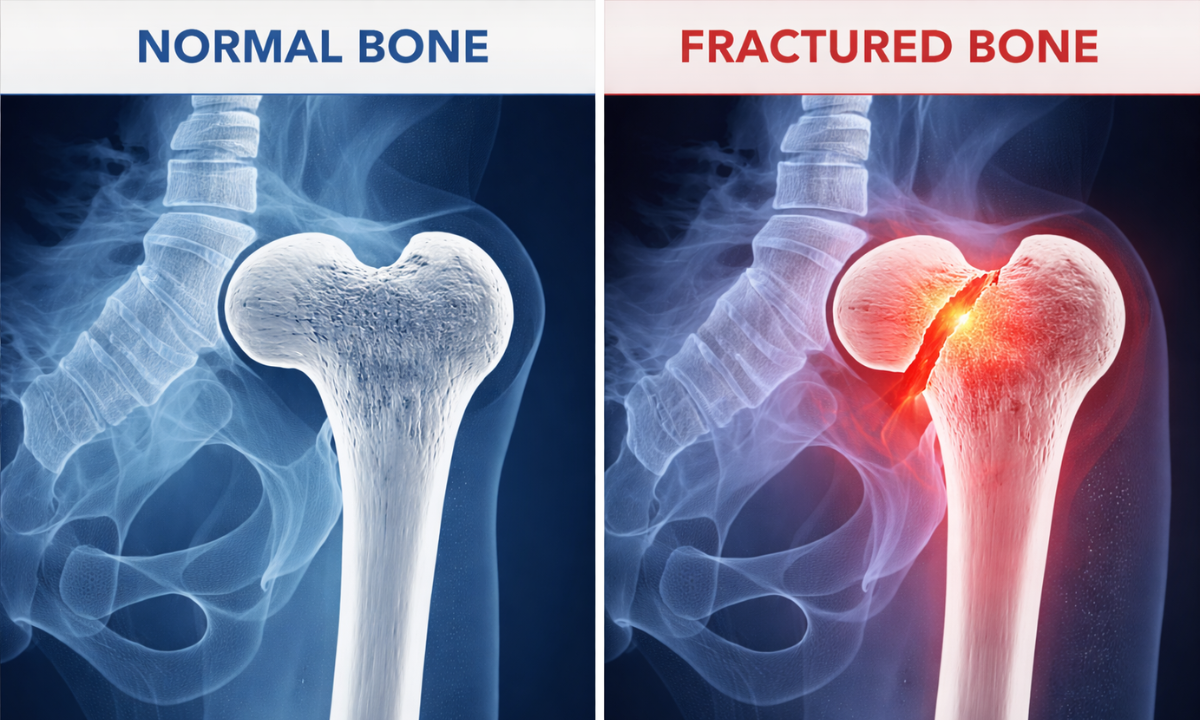
While traditional X-rays are useful, they may miss complex or subtle bone fractures, especially in areas like the spine, pelvis, or joints.
CT scans provide:
- Highly detailed images of complex fractures
- Clear visualization of joint alignment
- Accurate assessment for surgical planning
Example:
In high-impact accidents, CT scans can identify multiple fractures in a single scan, helping doctors prioritise which injuries need immediate attention.
Emergency Abdominal CT Scan: A Critical Diagnostic Tool
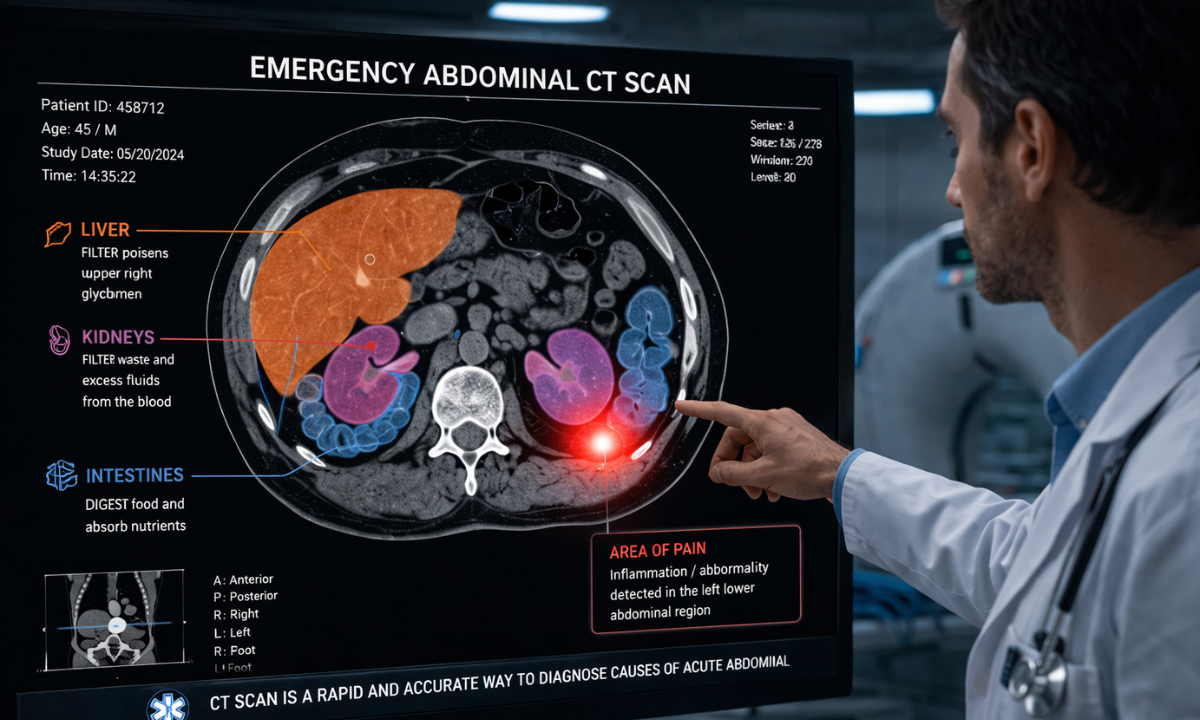
Severe abdominal pain can indicate a wide range of serious conditions. An emergency abdominal CT scan helps doctors quickly determine the underlying cause.
Conditions commonly detected:
- Appendicitis
- Internal bleeding
- Kidney stones
- Organ rupture (liver, spleen)
- Intestinal obstruction
Why it’s important:
Without timely imaging, these conditions can worsen rapidly. CT scans enable early diagnosis and targeted treatment, reducing complications and hospital stays.
How CT Scans Improve Treatment Progress
CT scans don’t just stop at diagnosis; they play a continuous role in improving treatment outcomes.
5 Key Ways CT Scans Support Treatment
- Immediate Decision-Making
Doctors can start treatment right away without waiting for multiple tests. - Precision-Based Care
Accurate imaging ensures treatments are tailored to the exact condition. - Monitoring Recovery
Follow-up CT scans help track healing and detect complications early. - Reduced Risk of Errors
Clear imaging minimises misdiagnosis and unnecessary procedures. - Enhanced Surgical Planning
Surgeons can visualise the exact problem area before operating.
When Should You Opt for a CT Scan in Emergencies?
Recognizing when to seek imaging can be life-saving.
Warning signs that require immediate CT imaging:
- Sudden loss of consciousness after a head injury
- Severe chest pain or breathing difficulty (possible cardiac emergencies)
- Persistent vomiting or confusion after trauma
- Intense abdominal pain or swelling
- Suspected bone fracture after an accident
Quick Tip:
If symptoms escalate rapidly, do not delay; early imaging can prevent serious complications.
Addressing Common Concerns About CT Scans
Is radiation exposure safe?
Yes, while CT scans use radiation, modern machines are designed to minimize exposure. In emergencies, the diagnostic benefits far outweigh potential risks.
How fast are CT scans?
Emergency CT scans are typically completed in under 10 minutes, making them one of the fastest diagnostic tools available.
Are CT scans painful?
Not at all. The procedure is completely non-invasive and painless, with minimal discomfort.
Tips for Patients and Caregivers
- Act quickly but stay composed during emergencies
- Share any known medical history with doctors
- Follow pre-scan instructions (e.g., fasting if required)
- Choose a trusted diagnostic centre for reliable results
- Ask questions to understand the diagnosis and next steps
Final Thoughts
In emergency healthcare, speed, accuracy, and clarity are everything. Access to a dependable CT scan in Bangalore ensures that patients receive immediate, precise diagnoses for conditions like head injury, cardiac emergencies, and the need for an emergency abdominal CT scan. Advanced imaging not only detects problems early but also guides effective treatment strategies that save lives.
At Kiran PET CT, a Best PET scan in Bangalore, advanced technology and expert care come together to deliver timely, accurate results when every second counts.
FAQs
1. Why is computed tomography during an emergency so important?
Computed tomography during an emergency is crucial because it delivers fast, highly detailed images of internal organs, bones, and blood vessels within minutes. This speed allows doctors to quickly identify life-threatening conditions like internal bleeding, stroke, or trauma. As a result, immediate and accurate medical decisions can be made, significantly improving survival rates and overall patient outcomes.
2. Can CT scans detect internal bleeding?
Yes, CT scans are one of the most reliable methods for detecting internal bleeding. They provide clear, cross-sectional images that help doctors locate the exact source and severity of bleeding. This is especially important in trauma cases, abdominal injuries, or brain haemorrhages, where quick identification enables timely intervention and reduces the risk of serious complications or death.
3. How do CT scans help in treatment planning?
CT scans play a vital role in treatment planning by offering precise and detailed images of the affected area. These insights help doctors understand the extent of injury or disease, choose the most effective treatment approach, and avoid unnecessary procedures. They are also useful in planning surgeries and monitoring how well a patient is responding to ongoing treatment.
4. Are CT scans available 24/7?
Yes, most advanced diagnostic centres provide round-the-clock CT scans for emergency services to handle critical situations at any time. Immediate access to imaging ensures that patients receive timely diagnosis and care, even during late nights or unexpected emergencies. This availability is essential for managing urgent conditions like accidents, strokes, and severe internal injuries efficiently.