Blog Summary:
- CT scans give doctors fast, detailed internal images during the “golden hour” after trauma
- Key use: catching internal bleeding early, often before symptoms show
- Also used for head injuries, complex fractures, and chest/abdominal trauma
- Contrast CT scans use a dye to highlight bleeding and blood vessels more clearly
- CT beats ultrasound on detail and MRI on speed, making it the emergency go-to
- Full process (scan to diagnosis) takes under 30 minutes at a good facility
- Facility quality matters, ties into CT scan in Bangalore
- PET-CT combines CT’s structure with PET’s function for follow-up cases, ties into PET scan centre in Bangalore
- Closes with FAQs on scan time, contrast safety, and CT vs PET-CT
When someone is rushed into a hospital after a road accident, a fall, or a sudden collapse, every minute matters. Doctors do not have the luxury of waiting for symptoms to develop or guessing what is wrong inside the body. This is exactly where a CT scan for emergencies becomes the difference between a fast, accurate diagnosis and a dangerous delay.
Most people have heard of CT scans, but few actually understand what happens behind the scenes when a patient is wheeled into radiology straight from an ambulance. This blog walks through how doctors actually use CT scans in emergency situations, what they are specifically looking for, and why this form of diagnostic imaging has become the backbone of emergency medicine.
Why Seconds Matter in an Emergency Room
In emergency medicine, there is a concept called the “golden hour”, the first sixty minutes after a serious injury when treatment has the highest chance of saving a life or preventing permanent damage. During this window, doctors cannot rely on physical examination alone. A patient may look stable on the outside while bleeding internally, or may appear seriously hurt while the actual injury is minor.
This uncertainty is why emergency departments lean so heavily on imaging. A CT scan produces detailed cross-sectional images of the body in a matter of minutes, giving doctors a clear internal picture without needing to open the patient up or wait for a slower diagnostic process.
What Doctors Are Actually Looking For
1. Internal Bleeding
One of the most common and most dangerous complications after trauma is internal bleeding. Unlike a visible cut, internal bleeding can go unnoticed for hours while a patient’s condition quietly worsens. A CT scan allows doctors to identify bleeding in the abdomen, chest, or around the brain almost immediately, often before the patient shows obvious signs of shock.
This is particularly critical in cases involving the spleen, liver, or kidneys, organs that bleed heavily when injured but do not always cause immediate external symptoms. Catching this early through imaging often means the difference between a straightforward recovery and emergency surgery.
2. Head and Brain Injuries
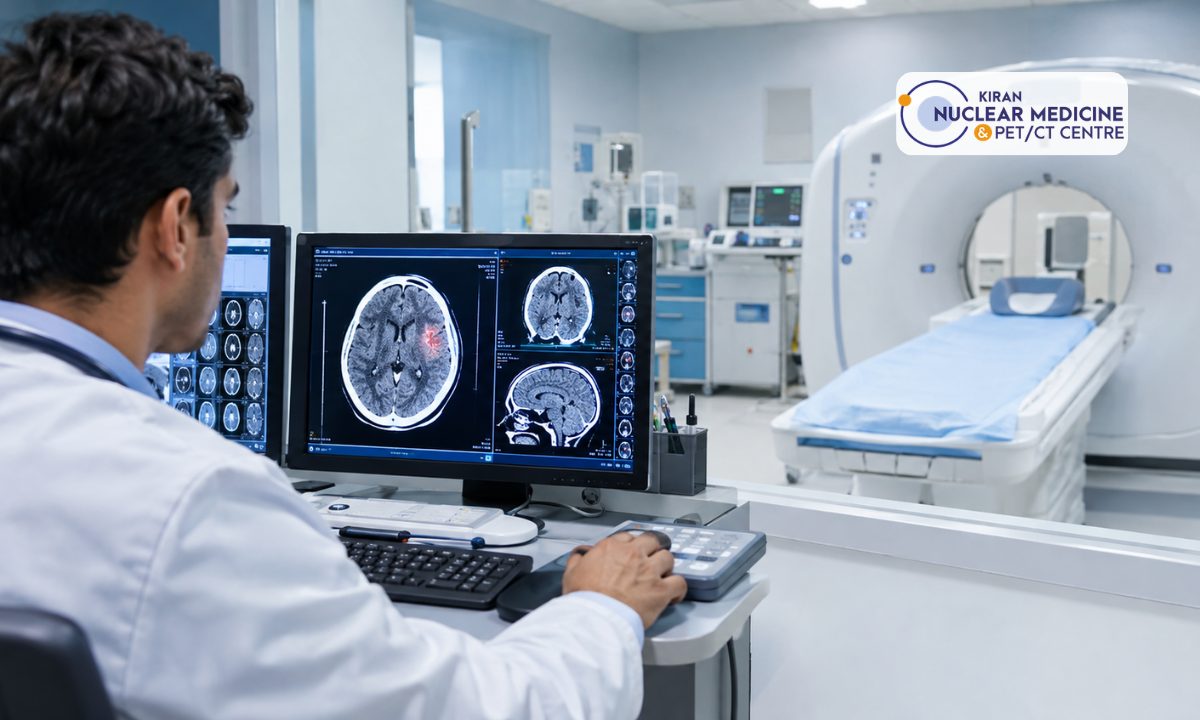
After a fall or a road traffic accident, doctors routinely order a CT scan of the head to rule out skull fractures, brain bleeds, or swelling. Because the brain is enclosed within the skull, even a small amount of bleeding can raise pressure inside the head dangerously. A CT scan gives doctors a fast, non-invasive way to check for this before it becomes life-threatening.
3. Bone Fractures That X-rays Miss
While X-rays are useful for straightforward fractures, complex fractures, particularly in the spine, pelvis, or joints, are often better assessed with a CT scan. The three-dimensional detail helps surgeons plan exactly how a bone has broken and how it needs to be treated, which is especially important before any surgical intervention.
4. Chest and Abdominal Trauma
Car accidents and falls frequently cause injuries that are not visible from the outside. A CT scan of the chest can detect a collapsed lung, damage to the aorta, or fluid build-up around the heart. In the abdomen, it can reveal organ lacerations, free fluid, or air that should not be there, all signs that something internal has gone seriously wrong.
Contrast CT Scan: Why Doctors Sometimes Inject a Dye
In many emergency cases, doctors order a contrast CT scan rather than a plain one. This involves injecting a special dye into the bloodstream before the scan, which helps highlight blood vessels, organs, and areas of active bleeding far more clearly than a standard scan.
A contrast CT scan is particularly useful when doctors suspect:
- Active internal bleeding that needs to be pinpointed exactly
- Blocked or damaged blood vessels
- Tumours or abnormal growths that need to be distinguished from surrounding tissue
The dye is usually cleared from the body naturally within a day, and while it does involve a small additional step, it often provides information that a plain scan simply cannot.
What Makes CT Scans Different From Other Emergency Imaging
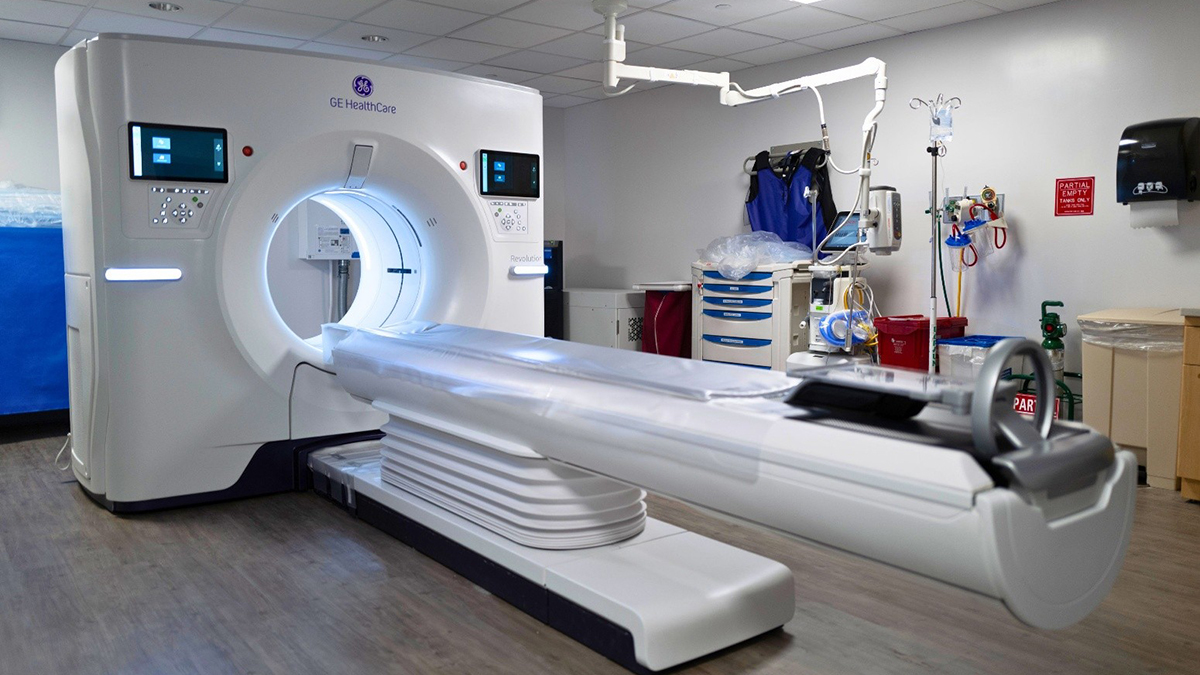
A question many patients ask is why doctors choose a CT scan over an ultrasound or an MRI in an emergency. The honest answer comes down to speed and detail.
- Ultrasounds are quick and useful for an initial check, particularly for detecting fluid in the abdomen, but they do not offer the same level of detail as a CT scan.
- MRIs produce excellent detail but take considerably longer and are not always suitable for a patient who is unstable or in pain.
- CT scans strike the balance emergency doctors need most: fast, detailed, and capable of scanning the entire body in a single pass if necessary.
This is why, in most emergency departments, a CT scan is the first serious imaging step once a patient is stabilised enough to be moved to the scanner.
The Step-by-Step Process in an Emergency
Most people assume a CT scan is a simple procedure, and in many ways it is, but the process in an emergency setting is more structured than it looks:
- Rapid assessment: The emergency doctor examines the patient and decides which body region needs imaging.
- Positioning: The patient is placed on the scanner table, often still on a trauma board if spinal injury is suspected.
- Contrast injection (if needed): If a contrast CT scan is required, the dye is administered through an IV line moments before scanning.
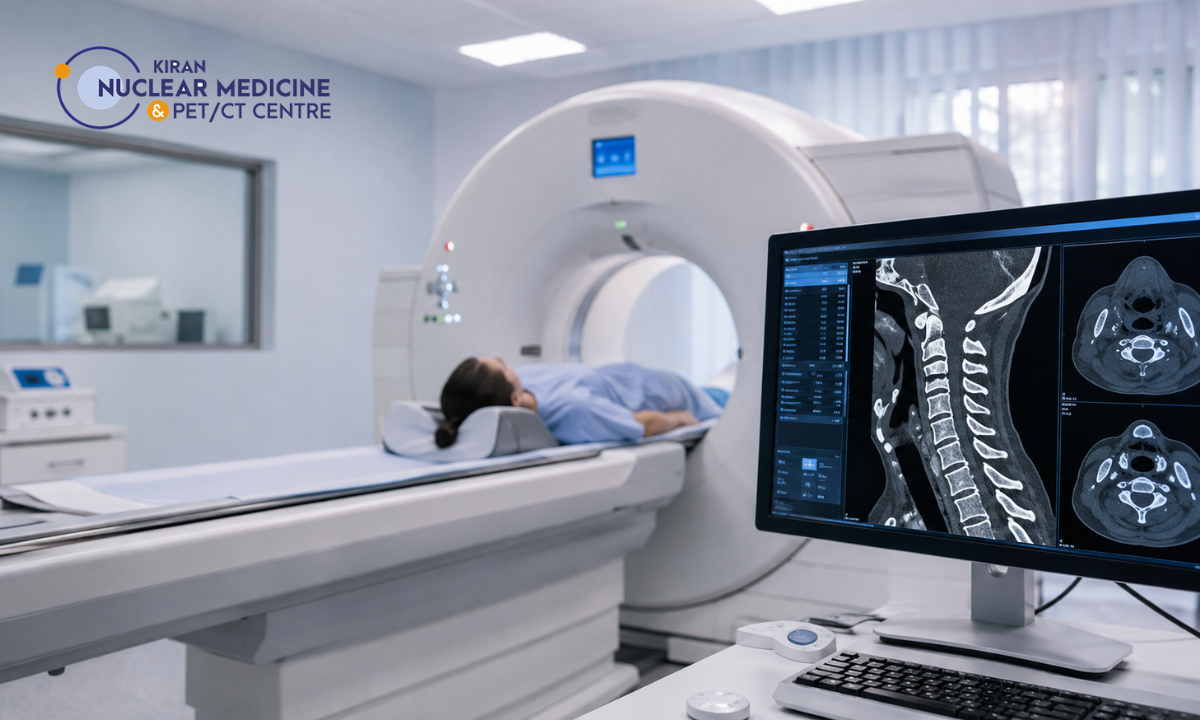
- Scanning: The actual scan itself typically takes only a few minutes.
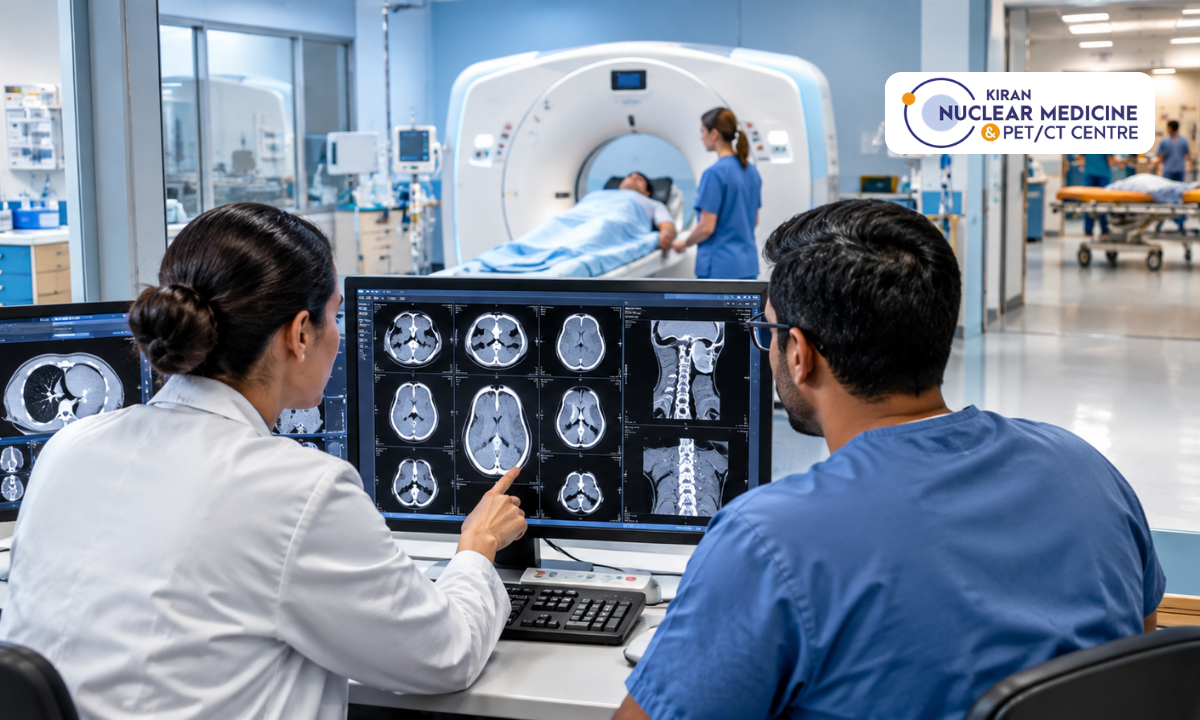
- Immediate review: A radiologist reviews the images in real time, often while the patient is still on the table, so treatment decisions can begin without delay.
This entire process, from decision to diagnosis, can be completed in under thirty minutes in a well-equipped facility, which is precisely why CT scans have become so central to emergency diagnostic imaging.
Why Access to a Fast, Reliable CT Scan Matters
Not every hospital or diagnostic centre offers the same speed or image quality, and in an emergency, this gap matters enormously. A centre with modern CT scanning technology and experienced radiologists can identify subtle injuries that a lower-resolution scan might miss entirely.
For patients in Bangalore, having access to a trusted facility offering CT scan in Bangalore with fast turnaround and accurate reporting can genuinely make a difference in emergency outcomes. Kiran PET CT operates advanced imaging facilities across Bangalore, supporting emergency and routine diagnostic needs with quick reporting and experienced radiology teams.
Beyond Emergencies: When CT and PET Scans Work Together
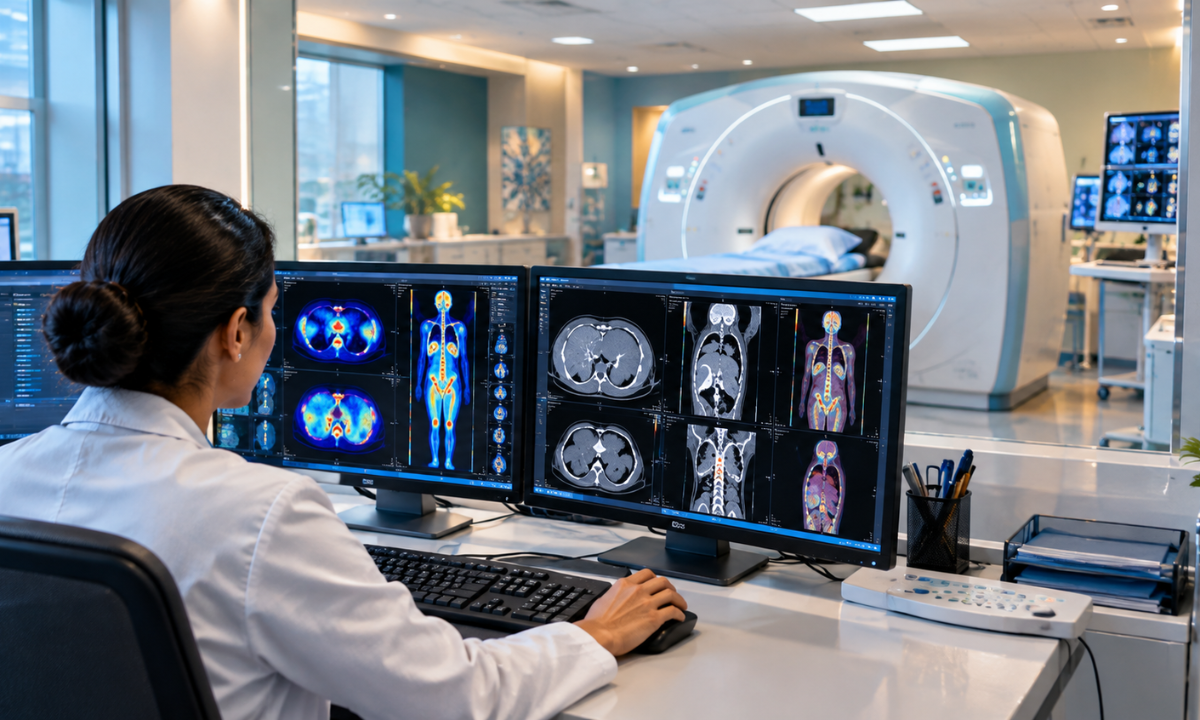
While CT scans handle the immediate emergency picture, some patients later need a more detailed look at how tissues are functioning, particularly in cases involving suspected tumours or unexplained abnormalities found during the initial scan. This is where a PET scan centre in Bangalore becomes relevant, as PET scans can show metabolic activity in tissues, something a standard CT scan cannot capture on its own.
Many modern facilities now combine both technologies into a single PET-CT scan, giving doctors both the structural detail of a CT scan and the functional insight of a PET scan in one sitting. This is particularly valuable for follow-up care after an emergency reveals something unexpected.
Conclusion
A CT scan for emergencies is not just a routine test, it is often the deciding factor in how quickly and accurately doctors can respond to a life-threatening situation. From detecting internal bleeding within minutes to guiding decisions on surgery, its speed and precision make it one of the most valuable tools in modern emergency medicine.
If you or a loved one ever needs urgent diagnostic imaging, choosing a centre with fast scanning, experienced radiologists, and reliable reporting matters as much as the scan itself.
Frequently Asked Questions
How long does an emergency CT scan take?
The actual scanning process usually takes only a few minutes, though the full process from positioning to image review can take fifteen to thirty minutes depending on the case.
Is a contrast CT scan safe?
Yes, contrast CT scans are generally safe for most patients. Doctors will check for allergies or kidney concerns beforehand, as the contrast dye is processed through the kidneys.
Can a CT scan detect internal bleeding immediately?
Yes, a CT scan can detect internal bleeding within minutes of the scan being completed, which is why it is the preferred imaging method in trauma cases.
Do all emergency patients need a CT scan?
Not necessarily. Doctors decide based on the mechanism of injury, symptoms, and initial physical examination, and will order a CT scan when internal injury is suspected.
What is the difference between a CT scan and a PET-CT scan?
A CT scan shows the structure of organs and tissues, while a PET-CT scan combines this with functional imaging that shows how active or abnormal certain tissues are, often used for cancer diagnosis and monitoring.