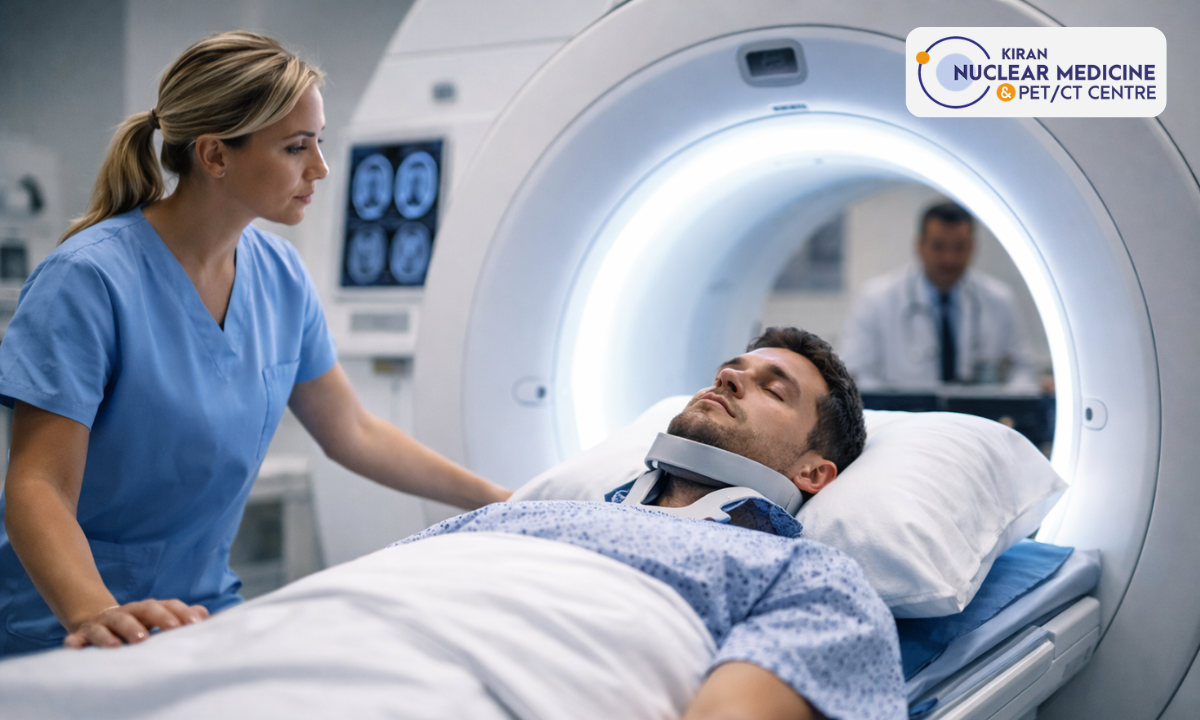
Is that “just a bump on the head” really harmless, or could it be something more serious? In such uncertain moments, knowing when a CT scan for head injury is necessary can help you act quickly and avoid potential complications.
From mild injuries to severe trauma, identifying the right symptoms is crucial, especially when you are considering a timely diagnosis through a trusted CT scan in Bangalore. So, what are the exact signs that should never be ignored after a head injury? Let’s explore everything you need to know.
Key Points at a Glance
- Not every head injury requires a CT scan, but some symptoms demand immediate imaging
- Loss of consciousness, vomiting, or confusion are critical warning signs
- Doctors follow strict head injury CT indications to avoid unnecessary radiation
- Special pediatric head injury CT criteria apply to children
- A head injury CT report helps detect bleeding, fractures, or swelling
- Early diagnosis can reduce complications by up to 40% in severe trauma cases
Understanding Head Injuries
Head injuries can range from mild concussions to life-threatening brain trauma. While many minor injuries heal on their own, some can silently worsen without obvious symptoms, making early assessment extremely important.
In fact, even a seemingly small impact can sometimes lead to internal bleeding or swelling that develops over time.
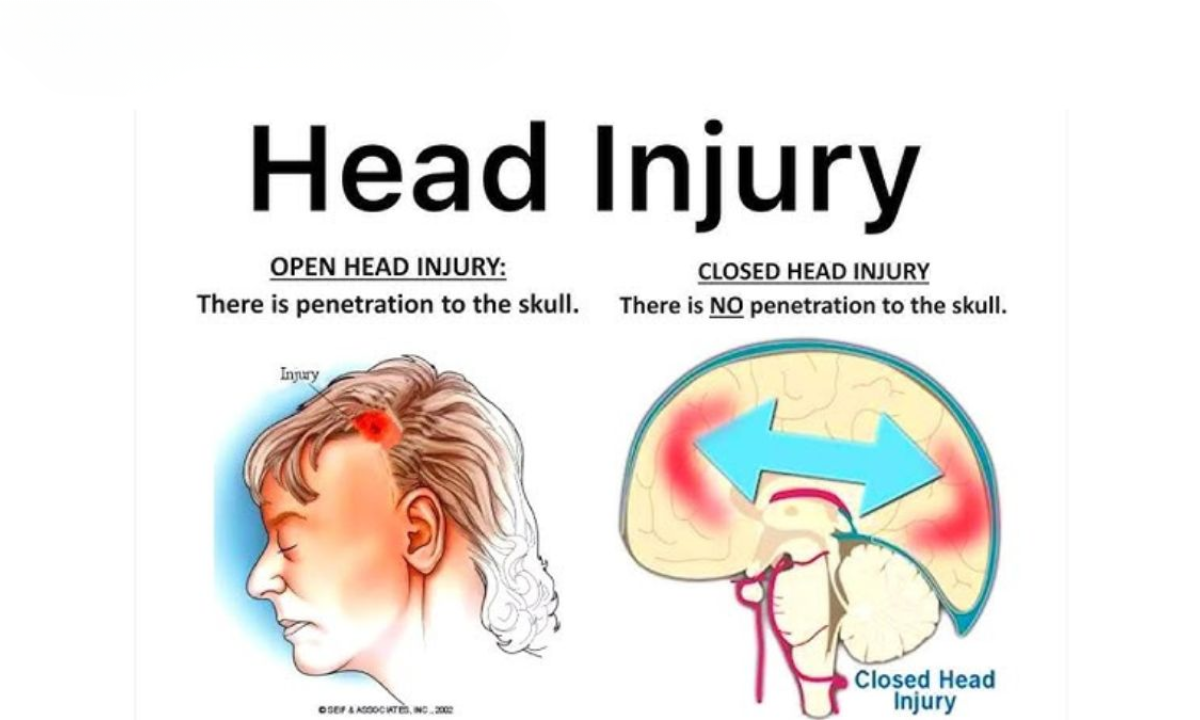
There are two main types:
- Closed head injuries: No visible wound, but internal damage, such as brain bruising or bleeding, is possible
- Open head injuries: Involve a skull fracture or penetration, increasing the risk of infection and severe brain damage
Common causes of head injuries include falls, road accidents, sports injuries, and workplace incidents. Because symptoms may not always reflect severity, and can appear hours later, timely medical evaluation becomes crucial to rule out serious complications.
When Is a CT Scan Necessary?
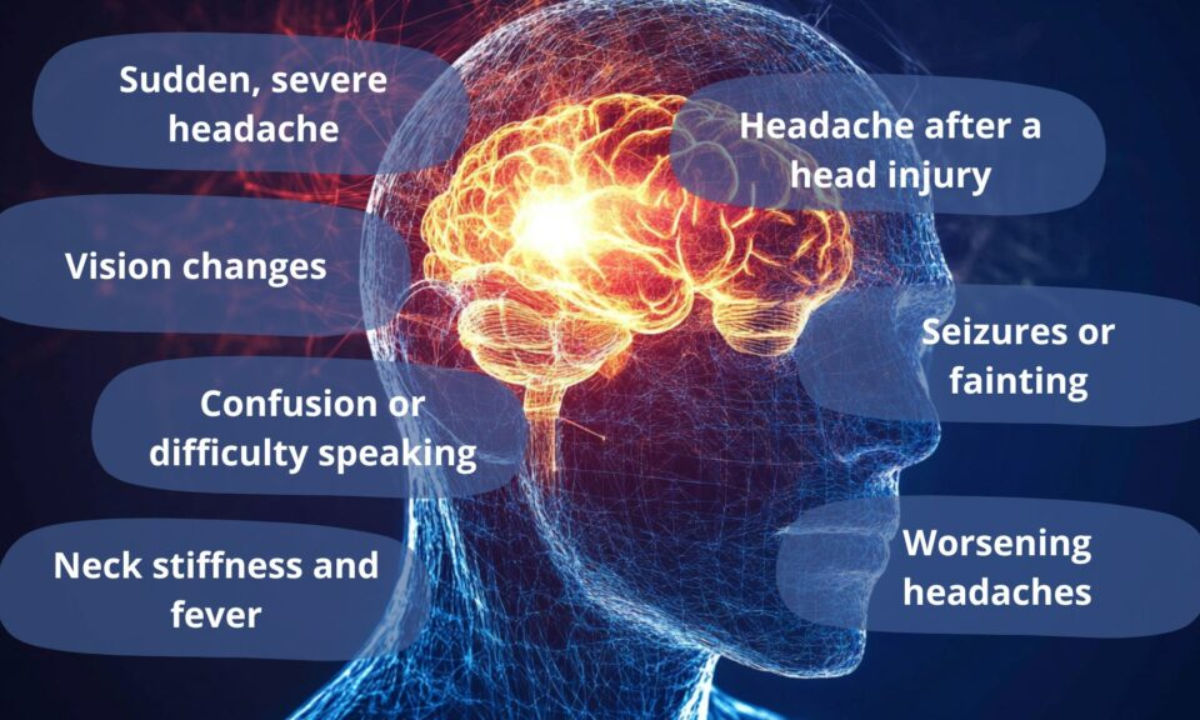
Doctors rely on specific head injury indication for CT scan guidelines to determine urgency. A CT scan is usually recommended when there’s a risk of internal brain injury.
Immediate CT Scan is Needed If You Notice:
- Loss of consciousness, even briefly
- Persistent or worsening headache
- Repeated vomiting (more than 2 times)
- Seizures or convulsions
- Slurred speech or confusion
- Weakness or numbness in limbs
- Unequal pupil size
These symptoms may indicate bleeding or swelling in the brain, which requires urgent attention.
Clinical Guidelines: Head Injury CT Indications
Medical professionals follow globally accepted protocols such as the Glasgow Coma Scale (GCS) and other criteria to determine whether imaging is necessary.
These guidelines are designed to quickly identify patients at risk of serious brain injury while avoiding unnecessary scans. They also help standardize decision-making in emergency settings, ensuring that no critical symptoms are overlooked.
Common head injury CT indications include:
| Condition | CT Scan Required? |
|---|---|
| GCS score less than 13 | Yes |
| Suspected skull fracture | Yes |
| Age above 65 with trauma | Yes |
| Severe headache | Consider |
| Minor injury with no symptoms | Usually No |
These guidelines help balance the need for diagnosis with minimizing unnecessary radiation exposure.
Special Consideration: Pediatric Head Injuries
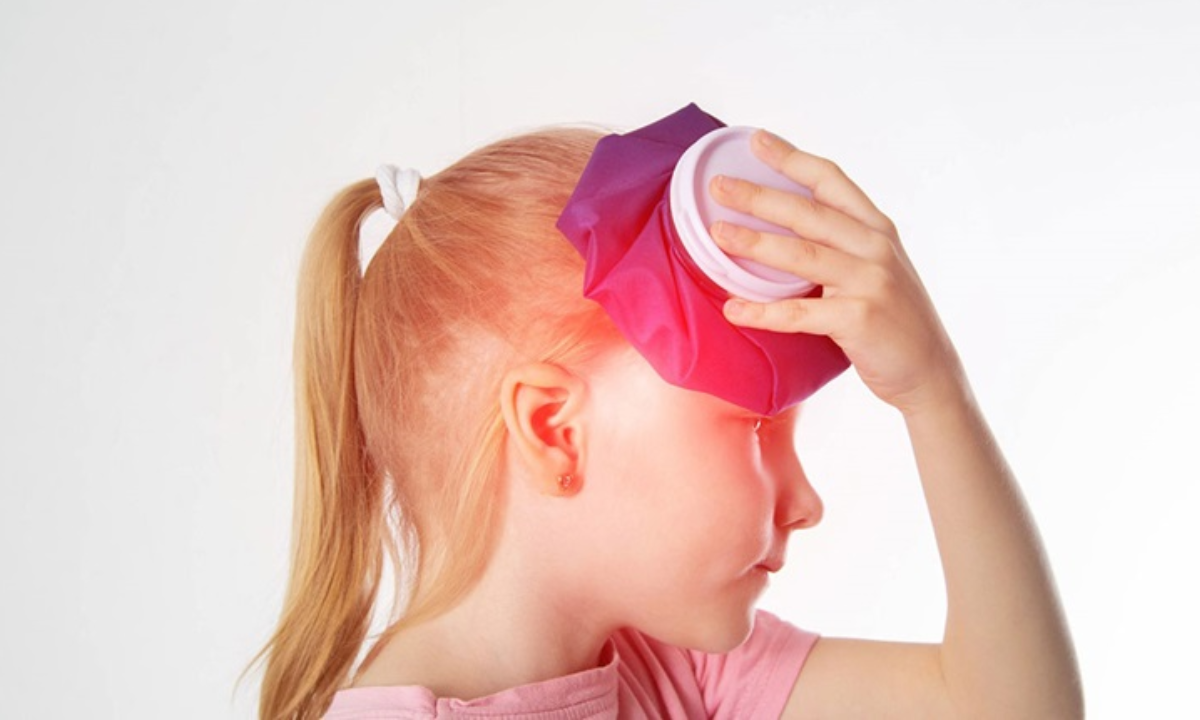
Children require extra caution because their brains are still developing. Doctors use specific pediatric head injury CT criteria to decide whether imaging is safe and necessary.
Key Indicators in Children:
- Unusual drowsiness or irritability
- Bulging soft spot (in infants)
- Persistent crying or refusal to eat
- Vomiting more than once
- High-impact injury (fall from height, accident)
Interestingly, studies show that over 90% of pediatric head injuries are mild, but careful screening is essential to rule out serious conditions.
What Does a Head Injury CT Report Reveal?
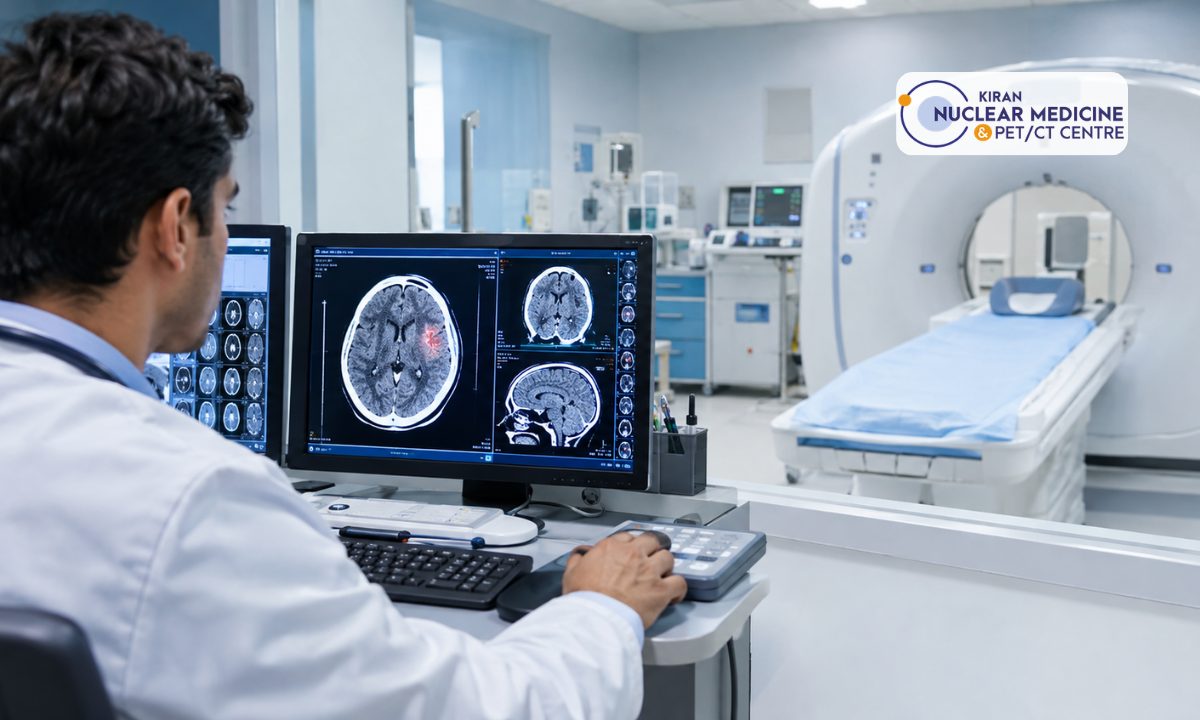
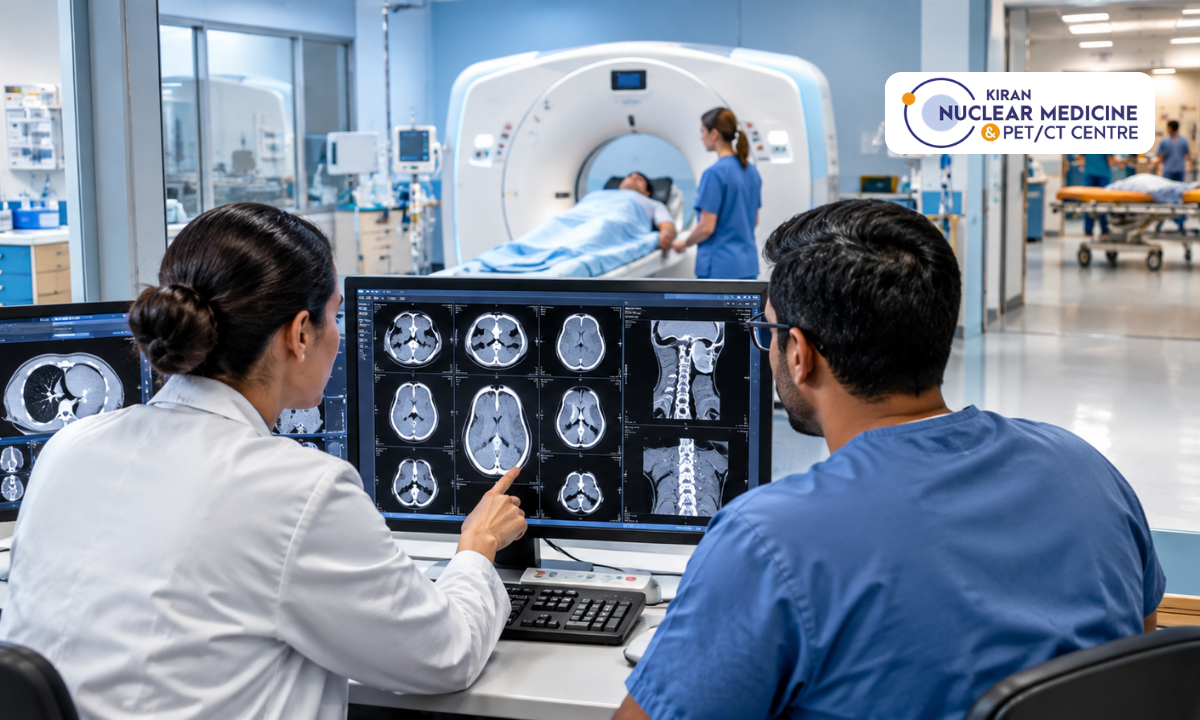
A head injury CT report provides a detailed image of the brain and skull, offering crucial insights into internal structures within minutes. It helps doctors identify hidden complications that may not be visible externally, especially in emergency situations where quick decisions are needed.
Additionally, the report guides treatment planning by determining whether the patient requires medication, observation, or immediate surgical intervention.
It can detect:
- Brain haemorrhage (bleeding)
- Skull fractures
- Brain swelling (oedema)
- Blood clots
- Contusions (bruising of brain tissue)
Early detection through CT scans can significantly improve treatment outcomes and reduce long-term complications.
Why Timely CT Scans Matter
Time is critical in head injuries. Delayed diagnosis can lead to severe complications, including permanent brain damage or even death.
In many cases, symptoms may appear mild initially but can rapidly worsen due to internal bleeding or swelling. This is why early imaging plays a crucial role in identifying life-threatening conditions before they progress.
Benefits of Early CT Scanning:
- Faster diagnosis and treatment
- Reduced risk of complications
- Better recovery outcomes
- Accurate decision-making for surgery
In emergency cases, a CT scan can be completed in just 5–10 minutes, making it one of the fastest diagnostic tools available.
Can a CT Scan Be Avoided?
Yes, not all head injuries require a CT scan. Doctors carefully evaluate the patient’s symptoms, medical history, and the nature of the injury before recommending imaging. This approach helps prevent unnecessary radiation exposure, especially in children and young adults.
In many mild cases, close observation and monitoring are often safer and equally effective alternatives.
A CT Scan May NOT Be Needed If:
- No loss of consciousness
- No vomiting or seizures
- Mild headache that improves
- Patient is fully alert and responsive
However, if symptoms change or worsen, immediate re-evaluation is necessary.
Practical Tips After a Head Injury
Even if a CT scan isn’t required immediately, monitoring is crucial.
What You Should Do:
- Observe symptoms for 24–48 hours
- Avoid strenuous activities
- Do not ignore worsening headaches
- Seek medical help if new symptoms appear
- Keep someone with the patient for observation
These simple steps can prevent complications and ensure timely intervention.
Final Thoughts
Understanding when a CT scan for head injury is necessary can help you make informed and timely decisions during critical moments. Whether it’s recognising symptoms, following medical advice, or choosing a reliable CT scan in Bangalore, early action can save lives.
At Kiran PET CT, known for offering the Best PET scan in Bangalore along with advanced diagnostic imaging, patients benefit from accurate reports, expert care, and a commitment to timely intervention, ensuring better outcomes and peace of mind.
Frequently Asked Questions
1. Is a CT scan safe for head injuries?
Yes, CT scans are generally safe and widely used in emergency care for head injuries. They provide fast and accurate images of the brain, helping detect serious conditions like bleeding or fractures. Although they involve minimal radiation exposure, doctors recommend them only when necessary to ensure that the benefits clearly outweigh any potential risks.
2. How long does a CT scan take?
A CT scan is a quick and efficient diagnostic procedure, typically completed within 5–10 minutes. This makes it especially useful in emergency situations where rapid diagnosis is crucial. The actual scanning process takes just a few minutes, while preparation and positioning may take slightly longer, ensuring accurate and clear imaging results.
3. Can a concussion be detected in a CT scan?
Not always. CT scans are designed to detect structural abnormalities such as bleeding, fractures, or swelling in the brain. However, mild concussions often do not show visible changes on a CT scan. Doctors usually diagnose concussions based on symptoms, medical history, and physical examination rather than relying solely on imaging results.
4. Are CT scans necessary for all children with head injuries?
No, CT scans are not required for every child with a head injury. Doctors follow strict pediatric head injury CT criteria to determine whether imaging is truly necessary. Since children are more sensitive to radiation, scans are recommended only when there are clear risk factors or concerning symptoms that indicate a possible serious brain injury.
5. What happens after the CT scan?
After the scan, a radiologist carefully analyses the head injury CT report to identify any abnormalities such as bleeding, swelling, or fractures. The results are then shared with the treating doctor, who evaluates the findings alongside the patient’s symptoms to decide the next steps, which may include observation, medication, or further medical intervention.