Managing an overactive thyroid gland strictly requires precise clinical intervention when standard pharmacological management fails to stabilize physiological hormone levels. Patients seeking the most effective medical resolution frequently require advanced Radioactive iodine therapy.
To ensure absolute diagnostic accuracy before proceeding with this permanent metabolic correction, securing an evaluation at a facility recognized for the Best PET scan in Bangalore provides the exact functional data required.
For patients diagnosed with severe glandular overactivity, pursuing RAI treatment for hyperthyroidism represents a definitive, non-surgical protocol designed to permanently halt excessive thyroid hormone production.
At Kiran PET CT, our specialized nuclear medicine physicians utilize highly targeted radioactive isotopes to selectively ablate hyperfunctioning glandular tissue. This comprehensive clinical guide directly addresses the specific physiological and procedural variables associated with this exact treatment modality. We will rigorously examine the following primary clinical aspects of thyroid ablation:
- The strict biological preparation protocols and necessary dietary restrictions are required before isotope administration.
- The exact scientific mechanism and targeted cellular destruction are achieved during the clinical procedure.
- The mandatory post-treatment radiation safety boundaries are necessary to protect biological contacts and the public environment.
Understanding these precise clinical parameters represents the absolute foundation for securing a successful transition from a state of chronic metabolic acceleration to long-term physiological stability.
Preparation for Radioactive Iodine Treatment

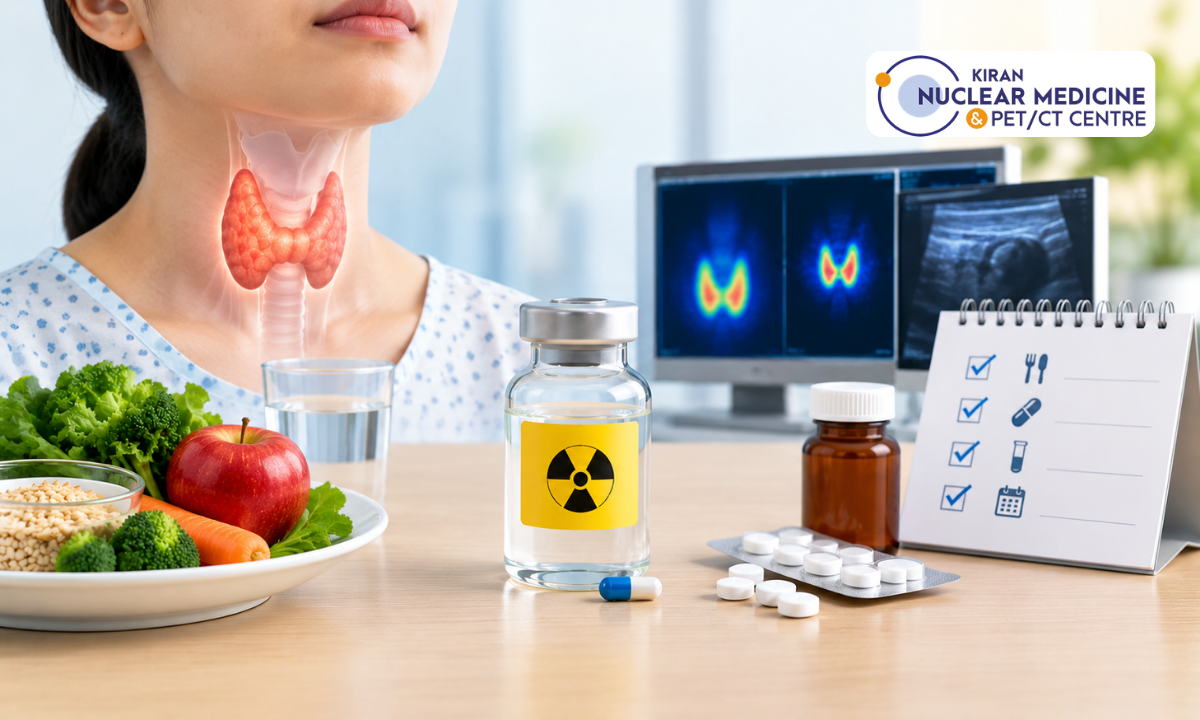
To ensure the maximum absorption of the radioactive isotope by the overactive thyroid tissue, patients must adhere to a strict physiological conditioning phase.
This preparation for radioactive iodine treatment is designed to deplete the body’s natural iodine stores, thereby forcing the thyroid gland to aggressively uptake the administered iodine-131. Failure to follow these specific clinical guidelines can significantly reduce the efficacy of the RAI treatment for hyperthyroidism and may necessitate a repeat of the entire procedure.
Nutritional Constraints: The Low-Iodine Diet (LID)
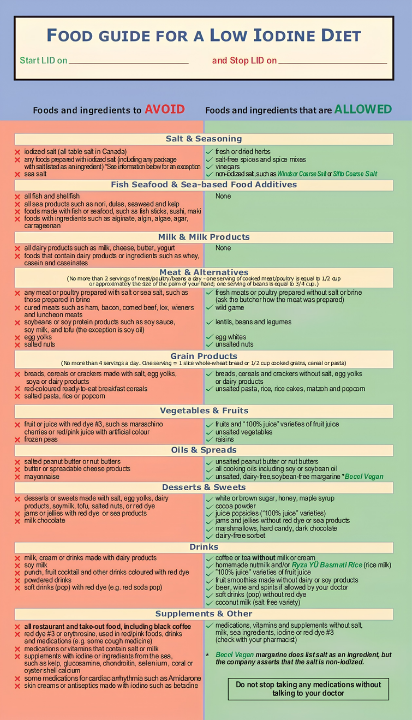
Medical professionals typically mandate a specialized low-iodine diet for one to two weeks before the scheduled treatment date. This nutritional protocol restricts the intake of iodine-rich substances to less than 50 micrograms per day to ensure the gland is in an iodine-starved state.
- Avoid all forms of iodized salt, sea salt, and any food items prepared with these salts.
- Eliminate dairy products, including milk, cheese, yogurt, and butter, due to high iodine content from sanitizing agents and feed supplements.
- Restrict the consumption of seafood, including fish, shellfish, and seaweed products such as kelp or nori.
- Avoid commercial bakery products that utilize iodate dough conditioners in their processing.
- Exclude egg yolks and food items containing red dye number three, which is an iodine-based coloring agent.
Pharmacological Adjustments and Medication Cessation
Specific medications can interfere with the diagnostic and therapeutic uptake of the radioactive isotope. Clinical endocrinologists strictly manage the cessation timeline for anti-thyroid drugs and other iodine-containing substances.
- Patients must typically stop taking anti-thyroid medications such as methimazole or propylthiouracil five to seven days before the procedure to allow the gland to regain its iodine-trapping capability.
- Thyroid hormone replacement medications must often be paused for several weeks to elevate thyroid-stimulating hormone levels, which stimulates the uptake of the isotope.
- Multivitamins and cough syrups containing iodine must be discontinued at least ten days before the administration of the dose.
- Patients should inform their nuclear medicine specialist about any recent radiological procedures involving iodinated contrast dyes, as these can saturate the thyroid with iodine for several weeks.
Final Procedural Requirements
Immediate procedural readiness involves verifying biological safety and ensuring optimal gastrointestinal absorption on the day of the treatment.
- Female patients of childbearing age must undergo a mandatory pregnancy test to confirm a negative result before the administration of any radioactive isotope.
- Breastfeeding must be completely terminated several weeks before treatment to prevent the concentration of radiation within the mammary tissue and potential exposure to the infant.
- Patients are generally required to fast for at least four to six hours before the oral administration of the iodine-131 capsule or liquid to ensure rapid absorption into the bloodstream.
Adhering strictly to these preparation protocols guarantees that the thyroid gland is optimally prepared to receive the radioactive dose. This rigorous clinical approach ensures the highest possible concentration of the therapeutic dose reaches the targeted hyperactive cells while minimizing the total radiation exposure required.
Treating Autoimmune Overactivity and RAI treatment for Graves disease
Graves’ disease represents the most prevalent clinical cause of hyperthyroidism, characterized by an autoimmune dysfunction where the body produces antibodies that stimulate the thyroid gland into a state of continuous overactivity.
While pharmacological interventions can temporarily suppress hormone synthesis, RAI treatment for Graves disease is recognized as a definitive therapeutic intervention because it targets the underlying source of the hyperfunction.
The primary clinical objective of this RAI treatment hyperthyroidism protocol is to permanently reduce the volume of thyroid tissue capable of producing hormones, thereby neutralizing the effect of the stimulating antibodies.
Clinical specialists utilize a specific matrix to evaluate the physiological transition of Graves’ patients during and after the administration of the isotope.
Clinical Parameters of Graves Disease Resolution
| Physiological Variable | Autoimmune Pathology (Pre-Treatment) | Impact of RAI Treatment |
|---|---|---|
| Antibody Interaction | Thyroid-stimulating immunoglobulins (TSI) bind to TSH receptors, causing uncontrolled hormone release. | The destruction of receptor-bearing follicular cells renders the stimulatory antibodies ineffective. |
| Glandular Structure | The gland often exhibits diffuse enlargement, known as a toxic goiter, due to continuous stimulation. | The localized radiation from the I-131 isotope causes the gland to physically shrink over several months. |
| Metabolic Output | Excessive T4 and T3 levels drive a pathologically accelerated metabolic rate. | Permanent ablation of the tissue leads to a definitive cessation of excessive hormone production. |
The successful application of the isotope for autoimmune conditions aims to achieve several critical medical outcomes within a six to twelve-month timeline.
Clinical Objectives for Graves Disease Patients
- Metabolic Stabilization: Achieving a complete reduction in the pathologically high basal metabolic rate to prevent long-term cardiovascular strain.
- Tachycardia Resolution: Eliminating autoimmune-driven heart rate elevations and cardiac arrhythmias through the permanent reduction of thyroid hormone levels.
- Symptomatic Suppression: Resolving the systemic physical indicators of hyperthyroidism, such as excessive tremors, heat intolerance, and involuntary weight loss.
- Definitive Hypothyroidism: Intentional transition to a hypothyroid state is the expected clinical result, allowing for stable management through precise synthetic hormone replacement.
By focusing the treatment on the specific follicular cells responsible for the overproduction, the radioactive iodine effectively manages the autoimmune driver without the need for invasive surgical thyroidectomy.
This localized cellular destruction guarantees that the hyperthyroid state is permanently resolved, although patients must be monitored for the development of hypothyroidism as the functional tissue volume decreases.
Clinical teams at Kiran PET CT perform rigorous post-procedural evaluations to track these metabolic shifts and ensure the patient successfully transitions to a stable, long-term hormonal baseline.
The Clinical Procedure of radioactive iodine 131 treatment
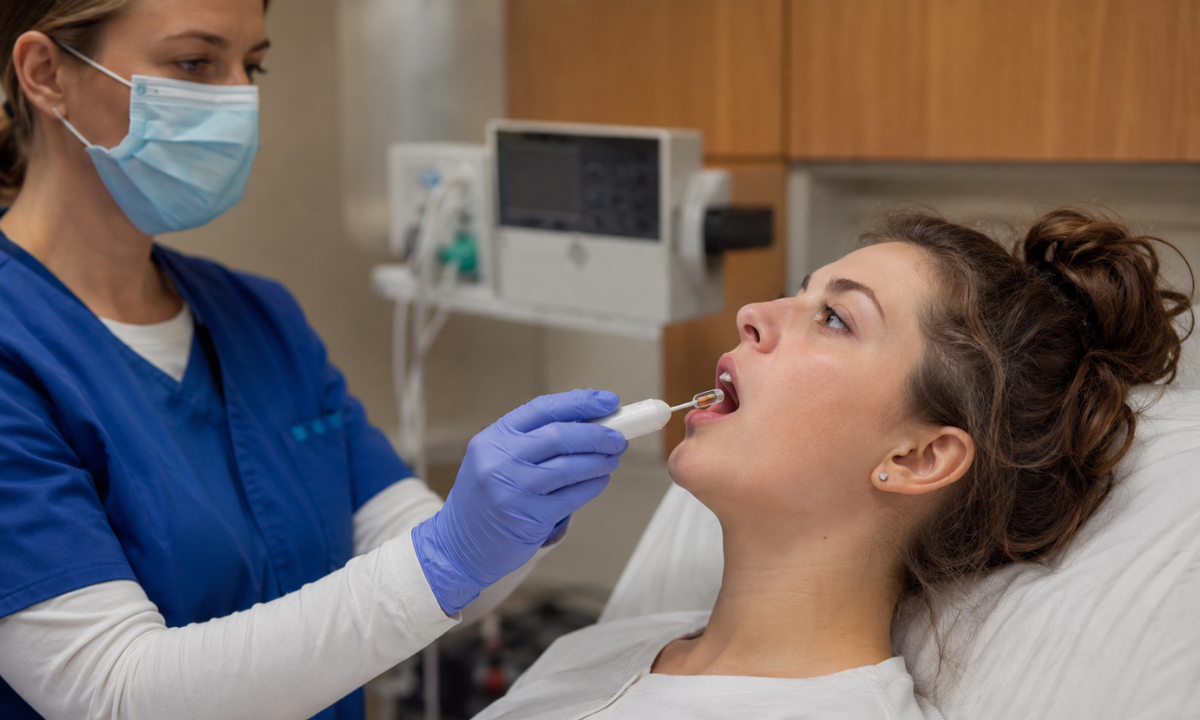
The administration of the I-131 isotope represents a highly targeted form of internal radiotherapy where the medication itself seeks out the diseased tissue. Unlike external beam radiation, radioactive iodine 131 treatment utilizes the thyroid gland’s unique biological affinity for iodine to deliver a concentrated dose of radiation directly to the overactive follicular cells.
This precise localization ensures that the therapeutic impact is strictly confined to the thyroid gland, while the surrounding anatomical structures, such as the parathyroid glands and vocal cords, remain largely unaffected due to the short travel distance of the radiation particles.
The efficacy of the procedure depends on the specific biophysical properties of the iodine-131 isotope.
Biophysical Mechanism of I-131 Therapy
| Biophysical Variable | Scientific Property | Scientific Property |
|---|---|---|
| Emission Type | Primarily Beta particles and secondary Gamma rays. | Beta particles provide the localized destructive force required to ablate overactive cells. |
| Radiation Range | Approximately 1 to 2 millimeters within the tissue. | Strictly limits the cellular destruction to the immediate vicinity of the iodine-concentrating thyroid cells. |
| Biological Half-Life | Approximately 8 days for physical decay. | Ensures the isotope remains active long enough to achieve permanent tissue ablation before being excreted. |
| Cellular Uptake | Sodium-iodide symporter (NIS) mediated transport. | Guarantees that only thyroid follicular cells actively trap and concentrate the radioactive dose. |
The procedural experience at Kiran PET CT is designed to be efficient and minimally invasive, typically conducted as an outpatient service. Patients must follow a standardized clinical sequence on the day of the treatment.
Standardized Procedural Sequence
- Clinical Verification: The nuclear medicine team performs a final review of the patient’s low-iodine diet compliance and confirms a negative pregnancy status.
- Isotope Administration: The patient receives a precisely calibrated oral dose of iodine-131, typically in the form of a small capsule or a tasteless liquid solution.
- Absorption Monitoring: Following the ingestion of the dose, the patient remains under clinical observation for a short duration to ensure the medication is properly retained and absorbed by the gastrointestinal tract.
- Radiation Discharge Briefing: Before leaving the facility, the patient receives a detailed set of written instructions regarding immediate radiation safety boundaries and fluid intake requirements.
Once the isotope enters the bloodstream, the thyroid gland rapidly traps the iodine-131. The beta radiation then initiates the microscopic destruction of the overactive cells over several weeks.
This process does not result in an immediate drop in thyroid hormone levels, as the gland typically contains a stored supply of pre-formed hormones that continue to circulate.
Consequently, the full clinical impact of RAI treatment for hyperthyroidism is generally observed over a three to six-month period as the functional volume of the gland progressively diminishes.
Post-Treatment Safety and Biological Recovery
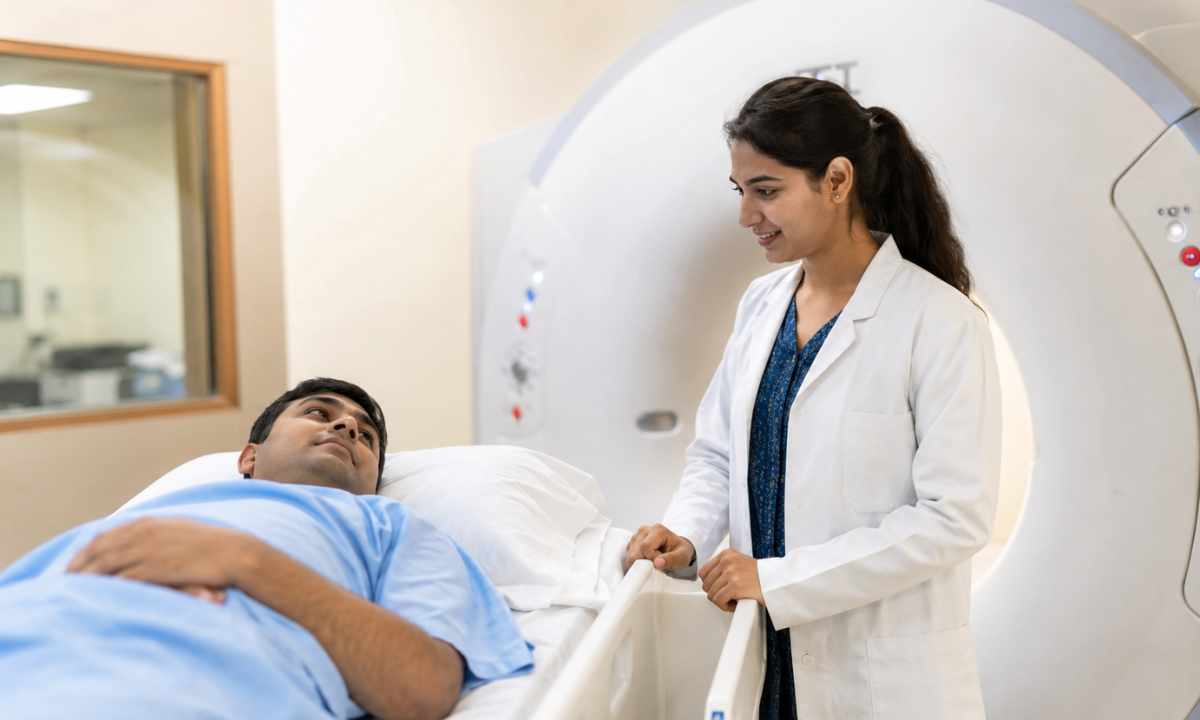
Following the clinical administration of radioactive iodine 131 treatment, the patient becomes a temporary source of ionizing radiation.
To ensure the absolute safety of family members and the general public, the nuclear medicine department at Kiran PET CT mandates strict adherence to radiation safety protocols. These boundaries are calculated based on the physical decay of the isotope and the rate at which the body biologically excretes the remaining radioactive material.
Strict Radiation Safety Boundaries
Patients must observe specific behavioral modifications for several days following the procedure to minimize the exposure of others to ionizing radiation.
- Maintain a physical distance of at least six feet from all individuals, particularly pregnant women and young children, for the initial three to five days.
- Utilize a separate bathroom facility if available to prevent the contamination of shared surfaces with radioactive biological waste.
- Flush the toilet twice after every use and thoroughly wash your hands with soap and water to ensure any excreted isotope is properly cleared.
- Sleep in a separate bed and avoid prolonged close contact with partners or pets for the duration specified by the nuclear medicine specialist.
- Use dedicated eating utensils, plates, and linens that are washed separately from the items used by other household members.
Immediate Biological Management
The physical recovery process begins as the thyroid tissue starts to absorb the radiation, and the excess isotope is eliminated through the renal system.
- Increase the daily intake of water and clear fluids to accelerate the clearing of the excess isotope through the kidneys.
- Suck on sour candies or lemon drops starting twenty-four hours after the dose to stimulate salivary flow and protect the salivary glands from radiation exposure.
- Monitor for mild localized discomfort or swelling in the neck region, which can occur as the thyroid tissue initiates the inflammatory response to the radiation.
- Report any unusual symptoms, such as persistent nausea or significant changes in taste, to the clinical team for immediate evaluation.
Long-Term Metabolic Monitoring
The ultimate objective of RAI treatment for hyperthyroidism is the permanent reduction of thyroid hormone production. This transition requires rigorous long-term clinical oversight to manage the resulting metabolic shifts.
- Undergo regular blood tests every four to six weeks to monitor the decline in thyroxine (T4) and the rise in thyroid-stimulating hormone (TSH).
- Recognize the symptoms of emerging hypothyroidism, such as increased fatigue, cold intolerance, and unexpected weight gain, as the functional thyroid volume decreases.
- Initiate daily synthetic thyroid hormone replacement therapy once the gland no longer produces sufficient hormones to maintain metabolic stability.
- Maintain lifelong follow-up appointments with an endocrinologist to ensure the hormone replacement dosage remains precisely calibrated to your physiological needs.
Adhering to these strict safety and recovery protocols ensures that the transition from hyperthyroidism is managed with absolute clinical precision.
While the immediate radiation precautions are temporary, the biological shift toward a stable, hypothyroid state represents a permanent solution to the chronic health risks associated with an overactive thyroid gland.
Why Choose Kiran PET CT and Treatment Financials?
Selecting a facility for nuclear medicine requires a commitment to diagnostic precision and radiation safety. Kiran PET CT provides a specialized clinical environment designed to manage complex thyroid conditions with absolute accuracy.
Our nuclear medicine department operates under the direct supervision of expert clinicians who strictly follow the protocols established by the American Thyroid Association.
This clinical oversight ensures that every patient receives a customized treatment plan tailored to their specific glandular volume and metabolic needs.
Several definitive clinical factors distinguish Kiran PET CT as a premier provider for this procedure:
- Advanced Dosimetry and Calibration: Our facility utilizes highly sophisticated equipment to measure the precise millicurie dose of iodine-131 required for effective ablation. This absolute precision ensures that the thyroid tissue is effectively treated while minimizing unnecessary radiation exposure to the rest of the biological system.
- Expert Radiation Safety Management: Our safety protocols strictly adhere to the standards provided by the Society of Nuclear Medicine and Molecular Imaging. We provide comprehensive isolation guidelines and protective materials to ensure that both the patient and their family members remain safe during the initial post-treatment period.
- Integrated Diagnostic Support: Patients have immediate access to advanced imaging, including the highest quality scans, to establish the necessary anatomical baseline before initiating RAI treatment for hyperthyroidism.
Regarding the financial investment, the RAI treatment cost at Kiran PET CT is structured to reflect the specific clinical requirements of the individual patient. The final cost is determined by the exact radioactive dosage administered, the diagnostic imaging required for treatment planning, and the duration of clinical observation following the dose.
Our administrative team provides a transparent, detailed breakdown of all associated fees to ensure patients can plan their medical care without clinical ambiguity.
Conclusion
Addressing a hyperactive thyroid gland is essential for preventing chronic cardiovascular strain and long-term metabolic dysfunction. Utilizing the precisely targeted mechanism of radioactive iodine represents the most effective non-surgical method for achieving permanent hormonal balance. While the procedure requires strict preparation and temporary safety boundaries, it provides a definitive resolution for patients who have failed to respond to standard medical management.
Do not allow the complications of an overactive thyroid to compromise your long-term health. Contact the specialized nuclear medicine team at Kiran PET CT today to schedule your comprehensive evaluation, discuss the specific treatment protocols, and take the final step toward achieving permanent metabolic stability.