Understanding Kidney Stones and Diagnostic Imaging
Kidney stone pain is one of the most severe a person can experience — sudden, sharp, and often debilitating. When a patient presents with flank pain, blood in urine, or recurrent urinary infections, the first investigation a urologist needs is accurate imaging.
A CT scan in Bangalore is the gold-standard diagnostic tool for kidney stones — faster than ultrasound, more accurate than X-ray, and capable of detecting even small stones that other imaging methods miss entirely. At Kiran PET CT, non-contrast CT for kidney stones is available at both our Banashankari and Indiranagar centres with same-day digital reports.
Why CT Scan is Preferred for Kidney Stones

The use of CT scan for kidney stones has become the gold standard in modern diagnostic medicine. Unlike ultrasound or X-rays, CT scans offer high-resolution cross-sectional images that provide unparalleled detail. This helps healthcare professionals determine not just the presence of stones, but also their exact location, composition, and impact on kidney function.
The advantages of using CT scans include:
- Speed in diagnosis.
- Non-invasive technique.
- High accuracy even with small stones.
- Ability to detect other underlying abdominal conditions.
These attributes make CT scan the first choice for urologists and radiologists when a patient presents with symptoms like flank pain, hematuria, or urinary tract infections suspected to be caused by stones.
Types of CT Scans for Kidney Stone Evaluation
Several CT scan abdomen techniques are utilized based on patient needs and clinical urgency. A non-contrast helical CT scan is often preferred as it avoids contrast agents, making it safer for patients with renal issues or allergies.
Other common types include:
- Low-dose CT scans to reduce radiation exposure.
- Full abdominal and pelvic CT scans to evaluate broader anatomical impact.
- Follow-up scans for post-treatment assessment.
These specialized imaging protocols enhance diagnostic accuracy while minimizing health risks.
The Process of Undergoing a CT Scan
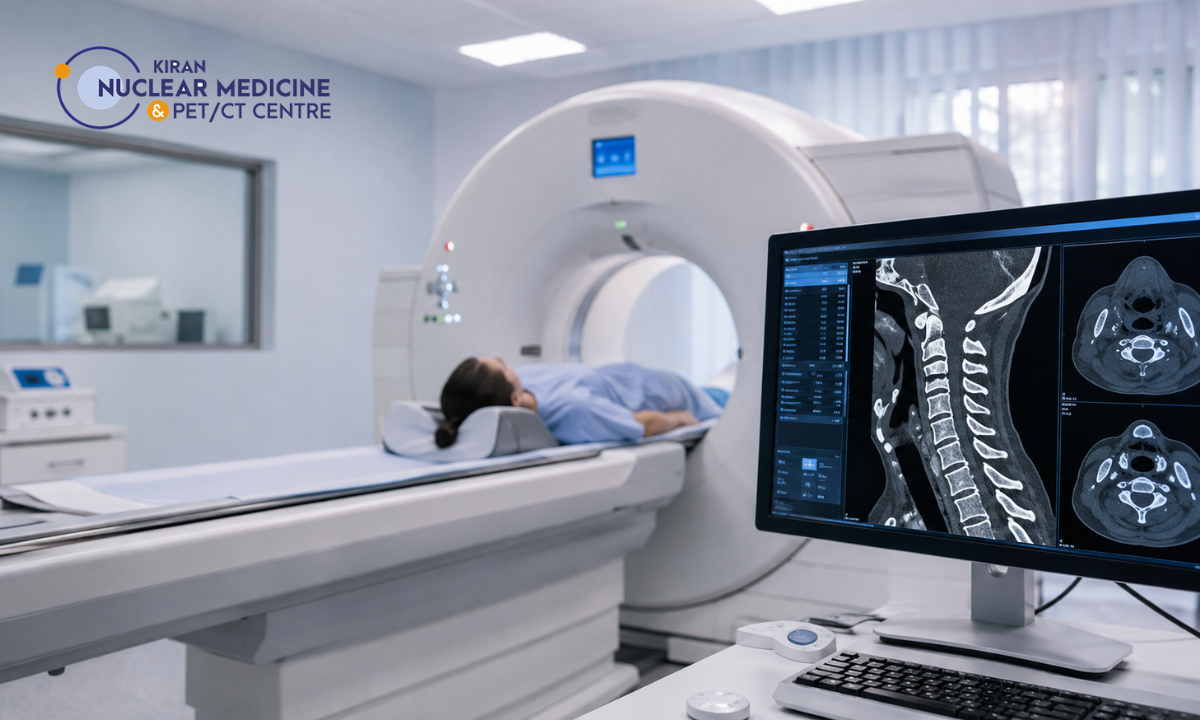
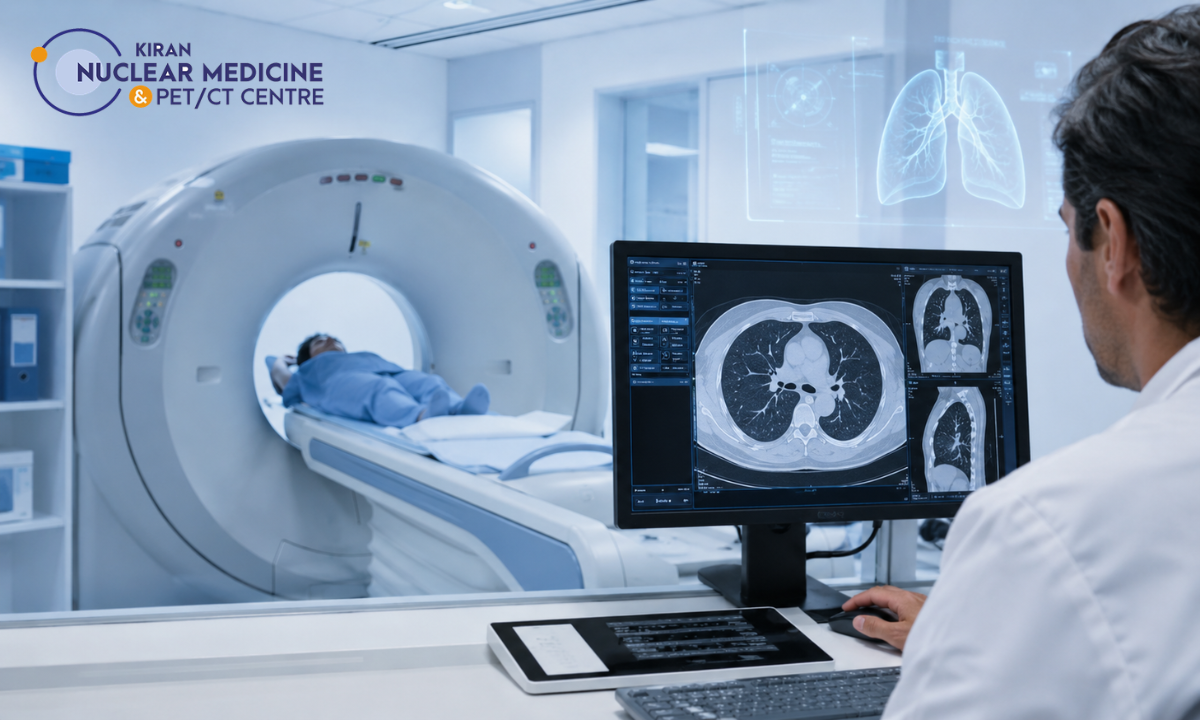
For patients, undergoing a CT scan for kidney stones is a straightforward, outpatient procedure. There’s minimal preparation required, and the scan itself typically takes less than 10 minutes. Patients are asked to lie still while the scanner captures detailed internal images.
Post-scan, the images are reviewed by radiologists and the results are shared with the referring physician to guide treatment planning. The procedure is painless and requires no recovery time, allowing patients to resume daily activities immediately.
Comparison with Other Diagnostic Methods
Though other imaging methods like X-rays and ultrasounds are used, they fall short in several areas when compared to CT scan abdomen approaches. While ultrasounds are safe and inexpensive, they are operator-dependent and less accurate in detecting small stones or stones in the ureters.
X-rays, on the other hand, may not reveal non-calcified stones and often miss the smaller ones entirely. CT scans provide the clarity and precision necessary for confident clinical decision-making, reducing the likelihood of misdiagnosis.
CT Scan Services in Bangalore
At Kiran PET CT, we perform dedicated CT KUB (Kidney, Ureter, Bladder) scans for kidney stone evaluation on our GE Discovery IQ Gen 2 imaging system — one of the most advanced CT platforms available in Bangalore. Non-contrast helical CT protocol is used as standard for kidney stone evaluation, avoiding contrast dye exposure while delivering high-resolution images of the entire urinary tract.
Reports are prepared by our radiologists — trained at PGIMER and JIPMER — and delivered digitally on the same day. Your urologist receives a structured report specifying stone location, size in millimetres, degree of urinary tract obstruction if present, and any secondary findings in the abdomen or pelvis.
Both our Banashankari and Indiranagar centres are equipped for same-day CT KUB appointments with minimal waiting time.
Who Should Consider a CT Scan for Kidney Stones?
Medical professionals recommend a CT scan for kidney stones in cases where:
- A patient experiences sudden or severe lower abdominal or back pain.
- Urine shows traces of blood without a known cause.
- Recurrent urinary tract infections are present.
There is a history of kidney stones, and symptoms suggest recurrence.
Timely imaging is crucial in such scenarios to avoid complications like urinary obstruction, infections, and chronic kidney damage.
Radiation Exposure and Safety
While CT scans involve radiation exposure, the risk is minimal when balanced against the benefits of accurate diagnosis. Modern CT scanners use low-dose protocols to limit radiation exposure, particularly for follow-up evaluations.
Healthcare providers carefully assess each case to ensure that imaging is performed responsibly, especially in children, pregnant women, and individuals with previous radiation history.
Post-Diagnosis Pathways
The CT scan in Bangalore for kidney stones identifies the problem, treatment plans can range from conservative management (hydration, medication) to more advanced options like lithotripsy or surgical intervention. The imaging report acts as the roadmap for the medical team to formulate an effective strategy tailored to the patient’s specific condition.
Early diagnosis significantly enhances the success rate of non-invasive treatments, reduces pain duration, and prevents long-term kidney complications.
How to Prepare for a CT Scan for Kidney Stones at Kiran PET CT
A non-contrast CT scan for kidney stones requires minimal preparation:
No fasting is required for a standard non-contrast CT KUB — you can eat and drink normally before the scan.
Remove all metal objects — jewellery, belt buckles, and piercings — before the scan.
Drink adequate water on the day of your scan — good hydration helps with image quality and is also clinically beneficial if you have an active stone episode.
Do not stop regular medications unless specifically advised by your doctor.
If your doctor has requested a contrast-enhanced CT of the abdomen and pelvis (rather than a non-contrast CT KUB specifically), inform the team in advance if you have kidney disease, are on Metformin, or have known contrast allergies.
Bring your urology referral letter and any previous kidney stone imaging or reports.
Conclusion: Why Timely Diagnosis Matters & Where to Seek Help
Early and accurate diagnosis is the single most important factor in kidney stone management. A CT scan tells your urologist exactly where the stone is, how large it is, and whether it is causing obstruction — information that determines whether you need watchful waiting, medication, lithotripsy, or surgical intervention.
At Kiran PET CT, CT KUB scans are available daily at both our Banashankari and Indiranagar centres. Same-day appointments, same-day digital reports, and a radiology team trained to the highest standards.
Book your CT scan for kidney stones at Kiran PET CT — call 70902 70904 (Banashankari) or 70902 70905 (Indiranagar).
FAQ section
Is a CT scan necessary for kidney stones?
A CT scan is the most accurate imaging test for diagnosing kidney stones and is strongly preferred over ultrasound or X-ray in most clinical situations. Non-contrast CT detects virtually all kidney stones regardless of composition — including uric acid stones that are invisible on plain X-rays. It also shows the exact stone location, size, and whether the stone is causing urinary tract obstruction — all critical information for treatment planning. Your urologist will advise whether CT is needed based on your symptoms and clinical assessment.
What size kidney stone requires a CT scan?
CT scan is recommended for kidney stone evaluation regardless of suspected stone size. However, stone size directly affects treatment decisions — stones under 5mm have a high chance of passing spontaneously with adequate hydration and pain management. Stones between 5–10mm may pass but often require medical intervention. Stones above 10mm typically require active treatment — lithotripsy, ureteroscopy, or surgery. CT scan provides the precise millimetre measurement your urologist needs to make this decision accurately.
CT scan vs ultrasound for kidney stones — which is better?
CT scan is significantly more accurate for kidney stone detection than ultrasound. Non-contrast CT detects nearly 100% of kidney stones regardless of location or composition. Ultrasound is operator-dependent, misses small stones (under 3mm), frequently fails to detect ureteric stones (stones in the ureter between kidney and bladder), and cannot assess the degree of urinary obstruction reliably. Ultrasound is used as a first-line screening tool in pregnant patients to avoid radiation — but for definitive diagnosis and treatment planning, CT is always preferred.
Does CT scan for kidney stones require contrast dye?
No. A non-contrast helical CT scan is the standard protocol for kidney stone detection — contrast dye is not required and is actively avoided in most cases. Contrast dye can temporarily reduce kidney function, which is clinically undesirable in patients who may already have some degree of urinary obstruction from a stone. Non-contrast CT provides excellent stone visibility without any contrast-related risks. Your doctor will specify whether contrast is needed for your specific clinical situation.
How long does a CT scan for kidney stones take at Kiran PET CT?
The scan itself takes approximately 5–10 minutes. Including preparation and positioning, the total time at the centre is usually under 30 minutes. No recovery time is needed — you can resume normal activities immediately after the scan. Reports are ready on the same day in most cases and delivered digitally to you and your referring urologist.
Can CT scan detect kidney stones in the ureter?
Yes — this is one of CT scan’s major advantages over ultrasound. Ureteric stones (stones that have moved from the kidney into the ureter connecting kidney to bladder) are notoriously difficult to detect on ultrasound. Non-contrast CT clearly images the entire urinary tract from kidney to bladder, detecting ureteric stones at any point along their path — including the ureterovesical junction where stones most commonly get stuck. This complete urinary tract mapping is why CT is the preferred investigation when a patient presents with acute colicky pain.