As a doctor working closely with patients every day at Kiran PET, I often meet people who are anxious, confused, or overwhelmed when they hear terms like DOTA PET scan, DOTATATE, DOTANOC, or even a standard PET scan in Bangalore. Many of my patients ask me the same question: “Doctor, what exactly is the difference between a DOTA scan and a PET scan, and which one do I really need?”
Understanding the Basics: DOTA scan vs PET scan
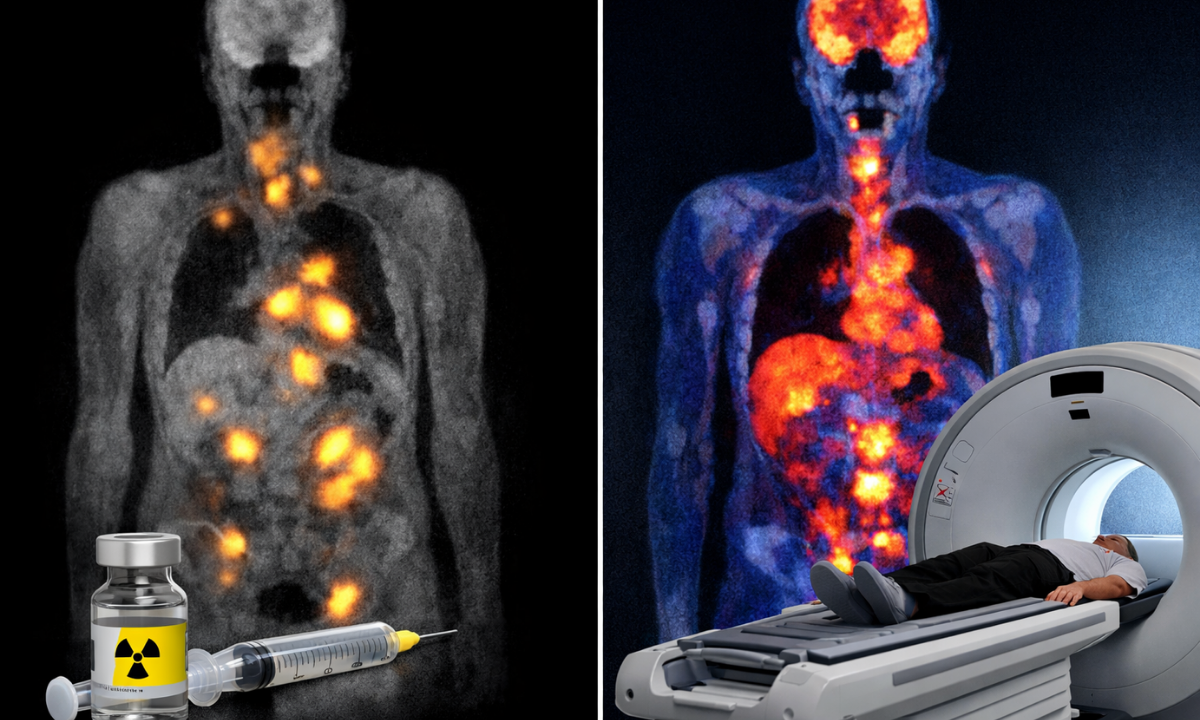
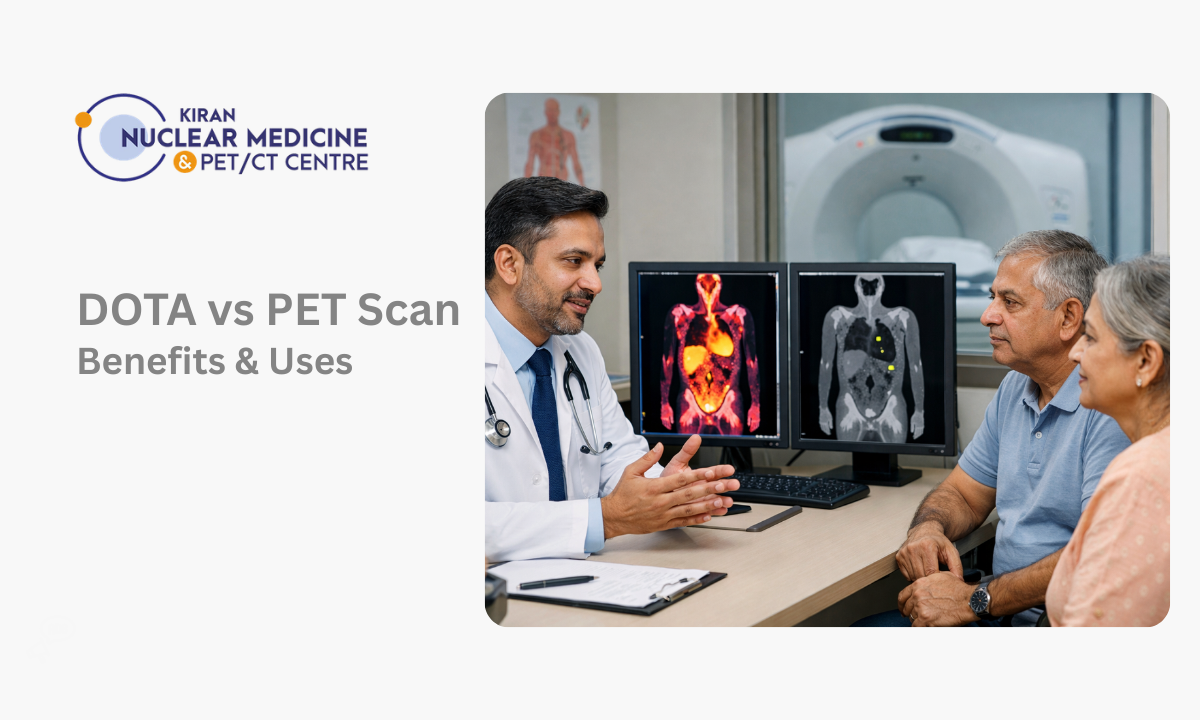
When we talk about DOTA scan vs PET scan, we are not comparing “good vs bad” tests. Instead, we are comparing two highly advanced nuclear medicine imaging techniques, each designed for different clinical purposes.
A PET scan (Positron Emission Tomography) is a broad, powerful imaging tool used in oncology, cardiology, and neurology. A DOTA PET scan, on the other hand, is a specialized form of PET imaging, designed primarily for neuroendocrine tumors (NETs).
At Kiran PET, my role is not just to order a scan but to ensure the right scan is done at the right time.
What Is a PET Scan?
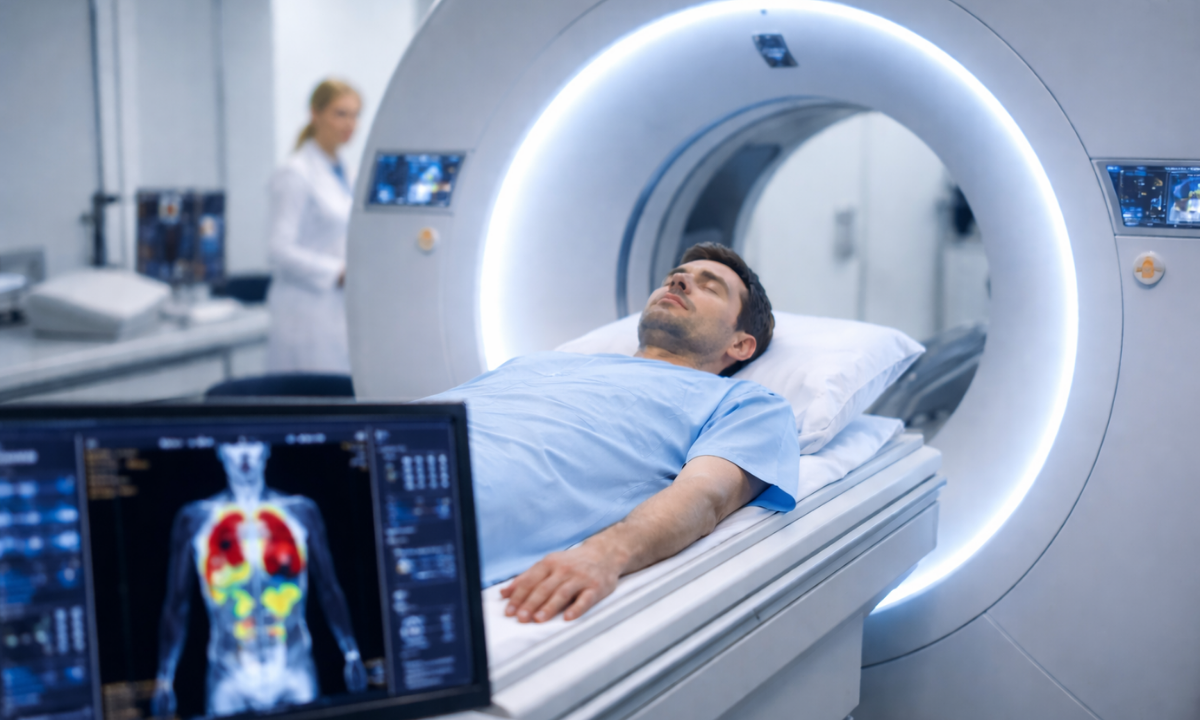
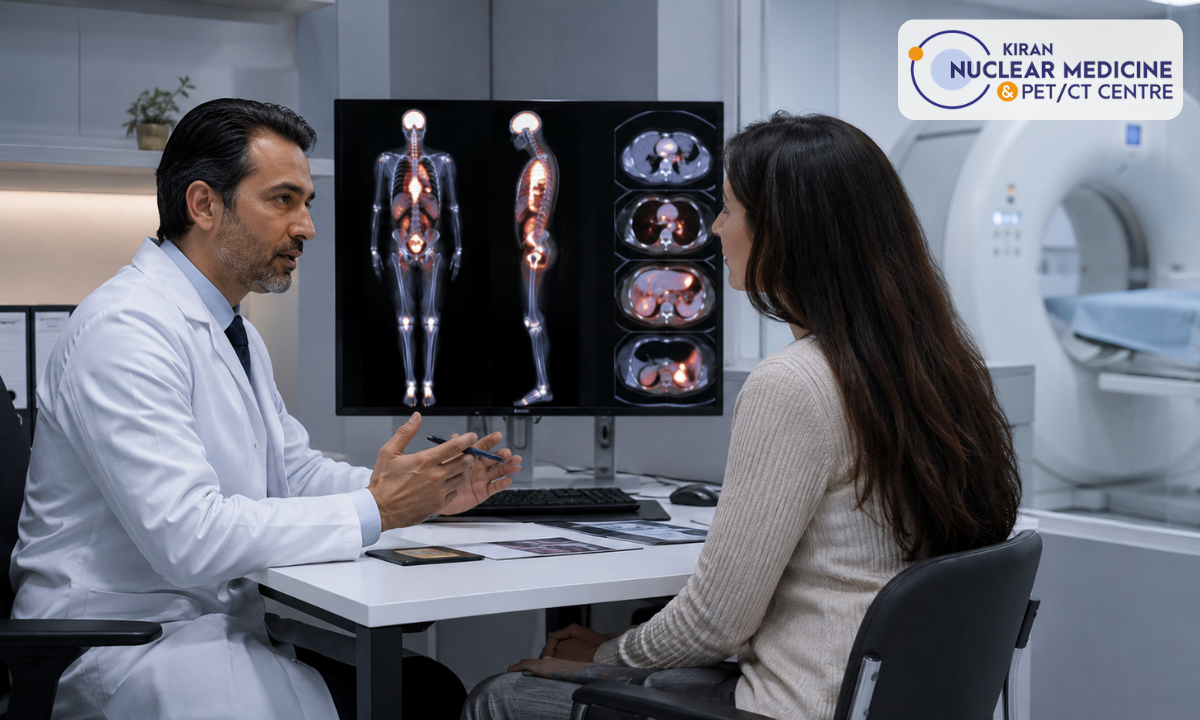
A PET scan works by detecting metabolic activity in the body. Cancer cells, for example, consume more glucose than normal cells. By injecting a radioactive tracer (commonly FDG), we can see areas of abnormally high metabolic activity.
Clinical Uses of a PET Scan
From my daily clinical experience, PET scans are commonly used for:
- Cancer detection and staging
- Monitoring response to chemotherapy or radiation
- Detecting cancer recurrence
- Brain disorders such as epilepsy or dementia
- Cardiac viability assessment
A PET scan gives us a whole-body overview, which makes it invaluable when we are unsure where disease may be hiding.
What Is a DOTA PET Scan?
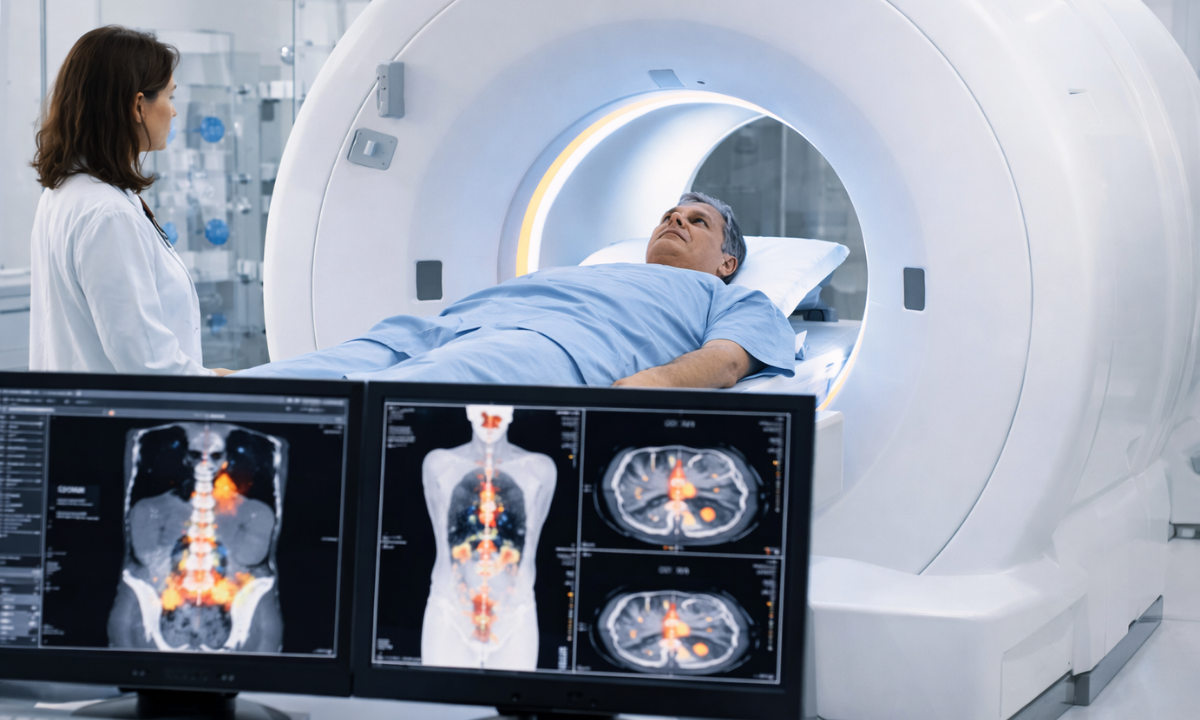
A DOTA PET scan is a targeted scan. Instead of looking at glucose metabolism, it detects somatostatin receptors, which are commonly found on neuroendocrine tumor cells.
This distinction is crucial when comparing DOTA scan vs PET scan.
Types of DOTA Scan
DOTATATE PET Scan
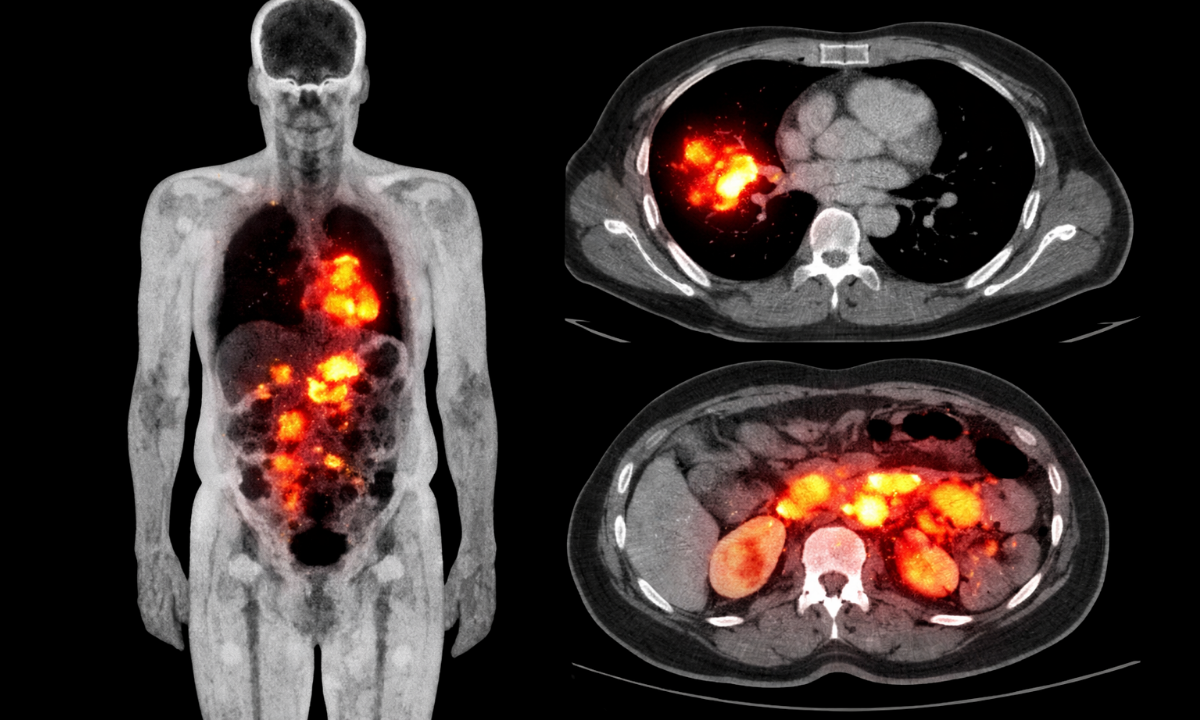
The DOTATATE PET scan is the most sensitive and widely used DOTA-based scan. In my clinical practice, this is the gold standard for:
- Gastroenteropancreatic NETs
- Lung neuroendocrine tumors
- Unknown primary NETs
DOTATATE binds strongly to somatostatin receptor subtype 2, giving exceptionally clear images.
DOTANOC PET Scan
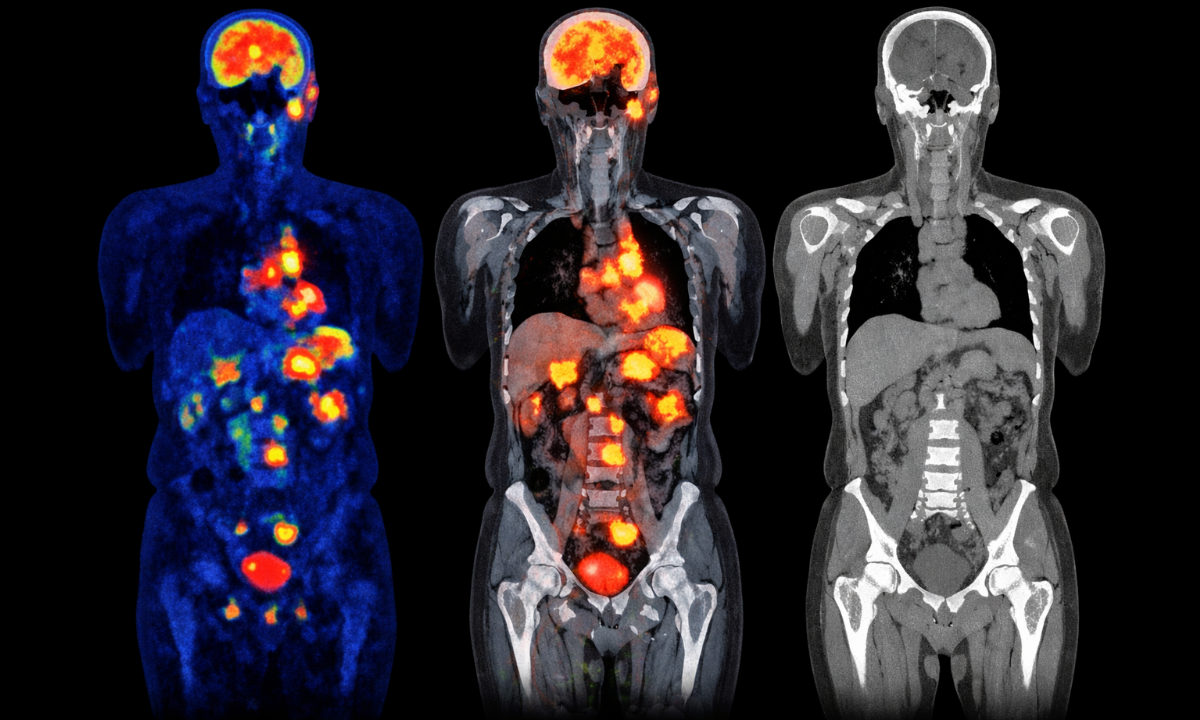
The DOTANOC PET scan binds to multiple somatostatin receptor subtypes. I typically recommend this when:
- Tumor biology is unclear
- Broader receptor mapping is needed
- Treatment planning involves PRRT
Both DOTATATE and DOTANOC scans fall under the umbrella of DOTA PET scan, but their clinical application differs subtly.
Key Differences: DOTA scan vs PET scan
From a doctor’s viewpoint, the difference between DOTA scan vs pet scan lies in precision vs generalization.
- PET scan: Excellent for aggressive, fast-growing cancers
- DOTA PET scan: Ideal for slow-growing, receptor-positive tumours
- A PET scan evaluates metabolic activity
- DOTA PET scan evaluates receptor expression
I often explain it this way to patients:
A PET scan tells me where cells are behaving abnormally.
A DOTA PET scan tells me exactly what type of cells they are.
Why DOTA PET Scan Is Critical for Neuroendocrine Tumors
Neuroendocrine tumors are notoriously slow-growing and often missed on conventional imaging. In many of my patients, standard PET scans appear “normal”, while a DOTATOC PET scan reveals widespread disease.
This is where DOTA imaging becomes life-changing; it directly influences:
- Accurate staging
- Treatment selection
- Eligibility for PRRT therapy
- Long-term prognosis
Safety, Comfort, and Patient Experience
As a doctor, patient comfort matters to me just as much as diagnostic accuracy.
Both PET and DOTA PET scans:
- Are non-invasive
- Require only a small radioactive injection
- Have minimal side effects
- Are safe when performed under medical supervision
At Kiran PET, we ensure patients are informed at every step—before, during, and after the scan.
Choosing Between DOTA scan vs PET scan
In real-world clinical practice, the choice between DOTA scan vs PET scan depends on:
- Suspected tumor type
- Previous biopsy reports
- Blood markers
- Symptoms and disease progression
Sometimes, I even recommend both scans at different stages, because they complement each other rather than compete.
Final Thoughts
From my experience as a doctor at Kiran PET, I can confidently say that understanding the difference between DOTA scan vs pet scan empowers patients to participate actively in their care. Imaging is no longer just about pictures; it is about precision medicine, personalized decisions, and better outcomes.
For patients seeking a PET scan in Bangalore, choosing a centre that understands both the technology and the clinical context makes all the difference. At Kiran PET, we combine advanced imaging with compassionate medical guidance—because behind every scan is a human story waiting to be understood.
FAQs
1. What is the main difference between a DOTA PET scan and a PET scan?
The main difference lies in what each scan is designed to detect. A standard PET scan (often FDG PET) identifies areas of high metabolic activity, which is useful for many types of cancers, infections, and inflammatory conditions.
A DOTA PET scan, on the other hand, specifically targets somatostatin receptors, which are commonly present in neuroendocrine tumors (NETs). Because of this targeted mechanism, DOTA PET scans provide more precise imaging for detecting, staging, and monitoring neuroendocrine tumors compared to a routine PET scan.
2. Is DOTATATE PET scan better than a normal PET scan?
For neuroendocrine tumors, yes — a DOTATATE PET scan is significantly more sensitive and specific than a standard PET scan. It can detect smaller lesions and provide clearer information about receptor expression.
However, it is not necessarily “better” for all cancers. Each scan has a specific purpose, and doctors recommend the appropriate scan based on the suspected condition. For NET patients, DOTATATE PET is usually the preferred choice.
3. When do doctors recommend a DOTANOC PET scan?
A DOTANOC PET scan is recommended when doctors require broader somatostatin receptor coverage. It binds to multiple receptor subtypes, which can be helpful in certain neuroendocrine tumor cases.
Doctors may advise a DOTANOC PET scan for:
- Initial diagnosis of suspected NETs
- Staging and spread evaluation
- Treatment planning, including PRRT
- Monitoring response to therapy
It helps in detailed receptor mapping, which plays an important role in selecting the right treatment approach.
4. Is a DOTA PET scan safe?
Yes, a DOTA PET scan is considered safe and well-tolerated. It uses a small amount of radioactive tracer, which is carefully calculated and administered under medical supervision.
The tracer naturally clears from the body, usually within a few hours to a day. Side effects are rare, and most patients can resume normal activities shortly after the scan. Doctors may recommend drinking plenty of fluids after the procedure to help flush out the tracer faster.
5. How long does a DOTA PET scan take at Kiran PET?
The complete DOTA PET scan process usually takes around 2 to 3 hours. This includes:
- Tracer injection
- Waiting period (uptake time)
- Actual imaging scan
The imaging itself generally takes 20–30 minutes. At Kiran PET, the process is streamlined to ensure patient comfort while maintaining high-quality imaging standards.
6. Why should I choose Kiran PET for my scan?
At Kiran PET, scans are interpreted by experienced nuclear medicine specialists who carefully correlate imaging findings with your clinical history. This ensures accurate diagnosis and meaningful reports.
The centre focuses on advanced technology, precision imaging, and patient comfort. From clear explanations to compassionate care, Kiran PET prioritizes both clinical accuracy and patient reassurance throughout the diagnostic process.