
PET CT Scan in Bangalore: Advanced Diagnostic Imaging at Kiran PET CT Centre
Home » PET/CT Scan
- Accurate PET-CT scan reports with high image quality, with our latest scan technology
- 25,000+ patient service with utmost care
- Clean and sanitized premises
- Low wait time, well trained staff with the best team of doctors.
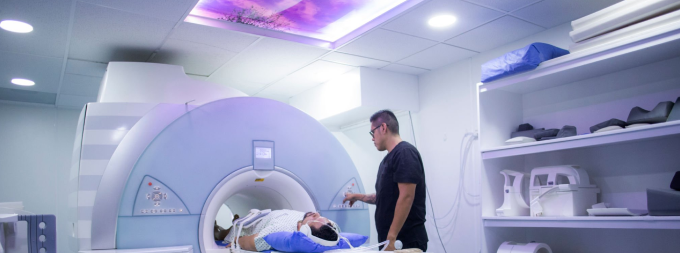
A PET CT scan in Bangalore is one of the most advanced diagnostic imaging options available for the detection, staging, and treatment monitoring of cancer, as well as for selected cardiac, neurological, and inflammatory conditions. By combining positron emission tomography (PET), which maps metabolic activity inside the body, with computed tomography (CT), which provides detailed anatomical imaging, a PET/CT scan allows clinicians to pinpoint exactly where abnormal activity is occurring in the body and how extensive it is. Kiran PET CT Centre offers a complete range of PET/CT scans across its two Bangalore centres, led by experienced nuclear medicine specialists and radiologists. Learn more about our centre.
What Is A PET/CT Scan ?
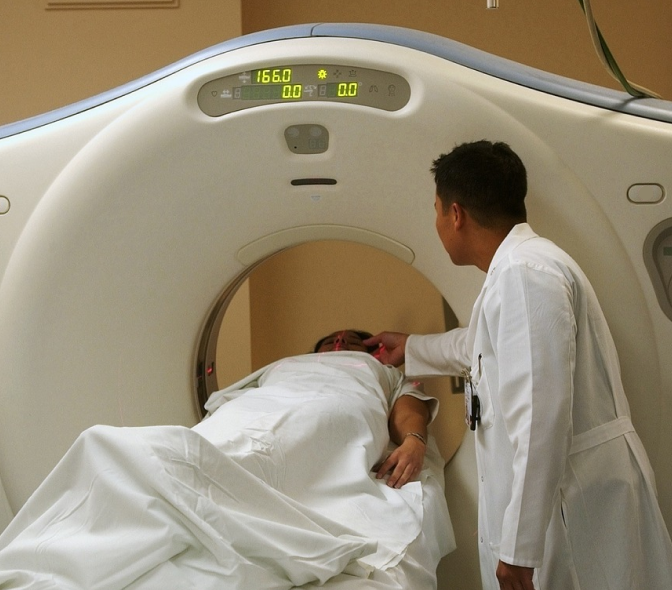
A PET CT scan is a hybrid imaging procedure that produces two sets of images in one session and fuses them into a single composite view. The PET component uses a small, carefully measured dose of a radiotracer, most commonly 18F-FDG (fluorodeoxyglucose, a radioactive sugar), which is injected into a vein. Cells with high metabolic activity (including most cancer cells) take up more of the tracer than surrounding tissues. The PET scanner detects where the tracer concentrates. The CT component simultaneously produces cross-sectional images of the body’s structures. When the two are fused, clinicians can see not just where a suspicious area is anatomically but how metabolically active it is, which is essential for distinguishing cancer from inflammation, scarring, or benign tissue. For a primer on the technology and its clinical role, see our guide on what is a PET scan.
Why Is PET CT Scan Performed ?
PET/CT imaging is used widely in oncology and is increasingly used in cardiology and neurology
- Detect and Stage Cancer: PET scans are commonly used in oncology to detect the presence of cancer, determine its stage, & assess the extent of its spread (metastasis). PET can help identify primary tumors & detect small metastases that may not be visible on other imaging modalities.
- Monitor Cancer Treatment Response: PET scans can assess how well a patient is responding to cancer treatment, such as chemotherapy or radiation therapy. Changes in metabolic activity within tumors can indicate whether the treatment is effectively targeting the cancer cells Cancer patients often need repeated PET scans at different stages of treatment — learn why this is standard oncology practice.
- Guide Cancer Treatment Planning: PET scans provide valuable information for treatment planning in cancer care. They help oncologists determine the optimal treatment approach, such as surgery, radiation therapy, chemotherapy, or a combination of these modalities
- Evaluate Neurological Disorders: PET scans are used in neurology to diagnose and evaluate various neurological conditions, including Alzheimer s disease, Parkinson s disease, epilepsy, and brain tumors. PET can detect changes in brain metabolism, blood flow, and neurotransmitter activity associated with these disorders
- Assess Cardiac Function: PET scans can evaluate blood flow to the heart muscle and assess cardiac function. They are used to diagnose coronary artery disease, evaluate myocardial viability after a heart attack, and assess the effectiveness of treatments for heart disease
- Detect Infections and Inflammatory Diseases: PET scans can detect areas of infection or inflammation in the body. They are used in diagnosing conditions such as osteomyelitis, vasculitis, and inflammatory bowel disease, as well as in localizing infections in patients with fever of unknown origin.
Types Of PET CT Scan
FDG PET CT
This is the most commonly PET CT can. FDG PET CT scans are a valuable tool for diagnosing, staging, and monitoring treatment of most of the cancer.
PSMA PET CT scan
PSMA PET CT scan, used for diagnosing, staging, monitoring prostate cancer and also identifying the source of rising PSA.
DOTANOC PET/CT
DOTANOC PET/CT, is a specialized imaging technique used to diagnose and monitor neuroendocrine tumors (NETs).
FAPI PET/CT
FAPI PET/CT scans target elevated FAP in cancers, aiding early detection, especially in those with low metabolic activity or aggressive behavior
PET CT Scans Cost
| Bone PET CT – NaF18 | Rs:- 18000 |
| Brain PET CT | Rs:- 18000 |
| DOTANOC PET CT | Rs:- 35000 |
| Exendin DOTA PET CT | Rs:- 35000 |
| FAPI PET CT | Rs:- 35000 |
| FDG PET CT | Rs:- 28000 |
| F-DOPA PET CT | Rs:- 35000 |
| PET Cardiac Sarcoidosis | Rs:- 20000 |
| PET Cardiac Viability | Rs:- 18000 |
| PET/CT Guided Biopsy | Rs:- 45000 |
| PSMA PET CT | Rs:- 35000 |
| Regional PET CT | Rs:- 18000 |
| Trivehexin PET/CT Scan | Rs:- 35000 |
PET CT SCAN Is Done For All Solid Organ Cancers Like:

Brain
Breasts

Colon

Esophagus
Liver
Lungs

Stomach
What Kind Of Preparation Is Needed For The PET CT scan
- Fasting: In some cases, you may be asked to fast for a certain period before the PET scan. This typically involves refraining from eating or drinking anything except water for several hours before the scan
- Medication: Certain medications may affect glucose metabolism in the body, which could impact the interpretation of the PET images. Your healthcare provider will review your medications and provide guidance on whether any adjustments are needed
- Blood sugar levels: If your PET scan involves the use of a radioactive tracer that is similar to glucose, such as FDG (fluorodeoxyglucose), it s essential to ensure that your blood sugar levels are within a specific range before the scan.
- Hydration: Drinking plenty of water before the PET scan can help improve the distribution of the radioactive tracer throughout your body, which can enhance the quality of the images.
- Clothing & personal items: You may be asked to wear comfortable clothing without metal fasteners or accessories for the PET scan.
- Medical history & allergies: Before the scan, your healthcare provider will review your medical history and any known allergies to ensure that the procedure is safe for you. Be sure to inform the healthcare team if you have any allergies, medical conditions, or concerns about the procedure.
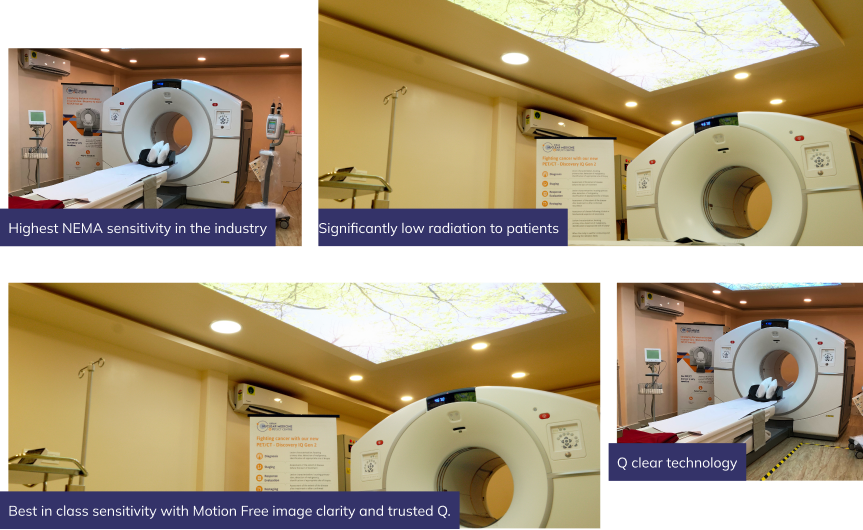
The Next Generation Technology is Here at Kiran PET CT - GE-DISCOVERY IQ GEN 2
Why Choose Us For PET CT Scan

Speedy and accurate results
Our PET/CT scans deliver swift & precise diagnoses, ensuring timely insights into your health

Cutting-edge technical instruments
Trust in the expertise of our skilled professionals who are dedicated to providing unparalleled care

World Class Technology
Experience the latest advancements in medical imaging technology with our state-of-the-art PET/CT equipment.
Onestop Lab Centre
Streamline your healthcare journey with our comprehensive lab services under one roof.
Meet Our Doctors




Frequently Asked Questions
What is a PET CT scan used for?
A PET CT scan is used primarily in oncology for cancer diagnosis, staging, treatment response assessment, and detection of recurrence. It is also used in selected cardiac (myocardial viability) and neurological (epilepsy, dementia) conditions, and in selected cases of fever or inflammation of unknown origin.
Which PET CT scan is right for me?
The choice depends on the condition being investigated. FDG PET/CT is appropriate for most cancers. PSMA PET/CT is used for prostate cancer. DOTANOC PET/CT is used for neuroendocrine tumours. FAPI PET/CT is used in selected clinical situations, including some sarcomas and cancers that show poor FDG uptake. Your referring clinician and our nuclear medicine specialist will decide the most appropriate scan.
How long does a PET CT scan take?
The total visit is typically 2 to 3 hours. This includes registration, tracer injection, a 45 to 90 minute uptake period, and 15 to 30 minutes of actual scanning time.
Is a PET CT scan painful?
No. The only discomfort is the small needle prick for the intravenous tracer injection. The scan itself is painless.
How should I prepare for a PET CT scan?
For FDG PET/CT, fast for 4 to 6 hours (plain water allowed), avoid sugar and heavy carbohydrates as advised by the centre, avoid strenuous exercise for at least 6 hours (preferably 24 hours), wear loose and metal-free clothing, and bring your previous imaging and reports. Our team sends detailed preparation instructions specific to your scan type at the time of booking.
Is the radiation from a PET CT scan safe?
PET/CT involves a small, controlled amount of ionising radiation. The exact exposure varies by tracer and CT protocol. For patients with a clinical need, the diagnostic benefit generally outweighs the small radiation exposure. Modern PET/CT scanners use optimised protocols to keep radiation as low as reasonably achievable.
Can I drive myself home after a PET CT scan?
Yes, in most cases. The tracer does not cause drowsiness. If you have had sedation for any reason, we will advise you to have someone drive you home.
How soon will I receive my PET CT scan report?
Most reports are shared within 24 to 48 hours. Urgent reporting is available for critical cases on request.
Can I eat and drink after a PET CT scan?
Yes. You can resume normal diet and activity after the scan unless specifically advised otherwise. We recommend increasing water intake for the rest of the day to help clear the tracer.
Will I need a repeat PET CT scan later?
Depending on your diagnosis and treatment plan, repeat PET/CT scans may be needed to monitor treatment response or to detect recurrence. Your treating clinician will decide the timing.
Can pregnant or breastfeeding women have a PET CT scan?
PET/CT is generally avoided in pregnancy unless the benefit clearly outweighs the risk. For breastfeeding mothers, guidance depends on the tracer and protocol and will be shared by the centre at the time of booking. Always inform the centre if either applies to you.
Does Kiran PET CT accept patients from outside Bangalore?
Yes. We regularly see patients from across Karnataka and other Indian states. Our team supports with appointment coordination, preparation instructions, and local logistics for patients travelling in for scans.
How to book a PET CT scan in Bangalore
Booking a PET/CT scan at Kiran PET CT is straightforward:
- Share your referring doctor’s prescription and the specific scan requested (FDG, PSMA, DOTANOC, FAPI, or other)
- Our team confirms the appointment slot based on tracer availability
- We share detailed preparation instructions for your specific scan
- Arrive on the scheduled day, prepared as advised
- Receive your report within the committed turnaround time, shared with you and your doctor
PET/CT scan availability depends on tracer logistics, which is why early booking is important for non-FDG tracers such as PSMA, DOTANOC, and FAPI. To book an appointment or ask a question about your specific case, visit our contact us page.