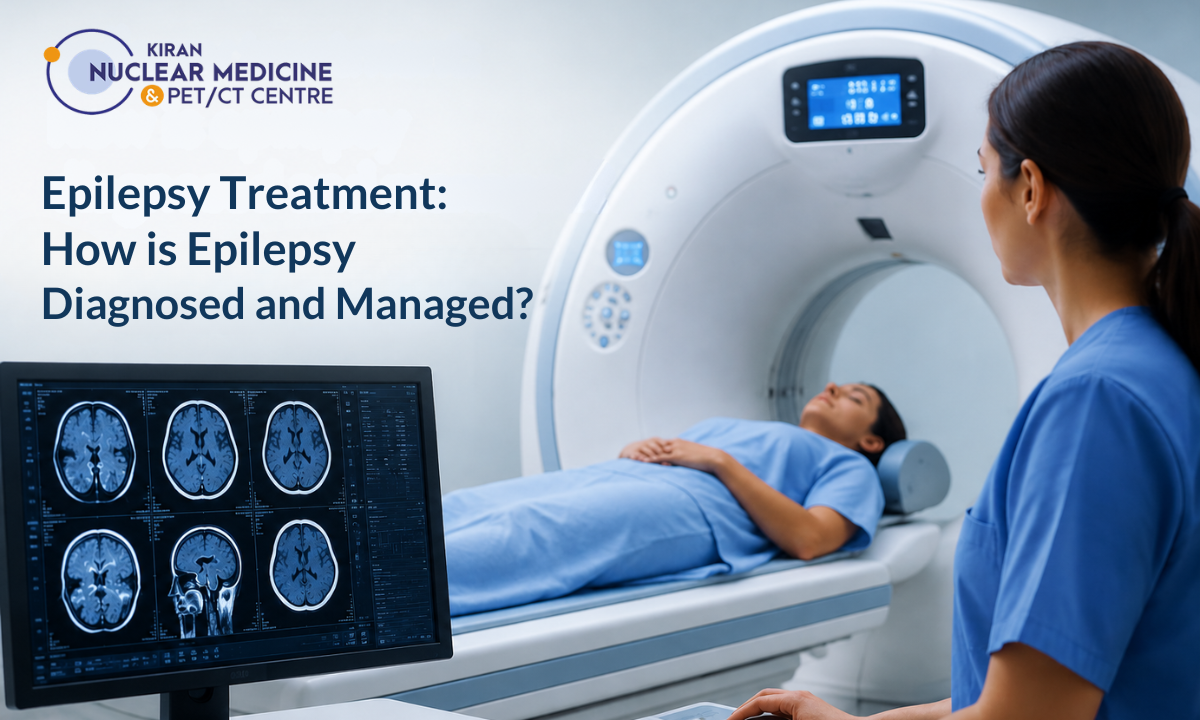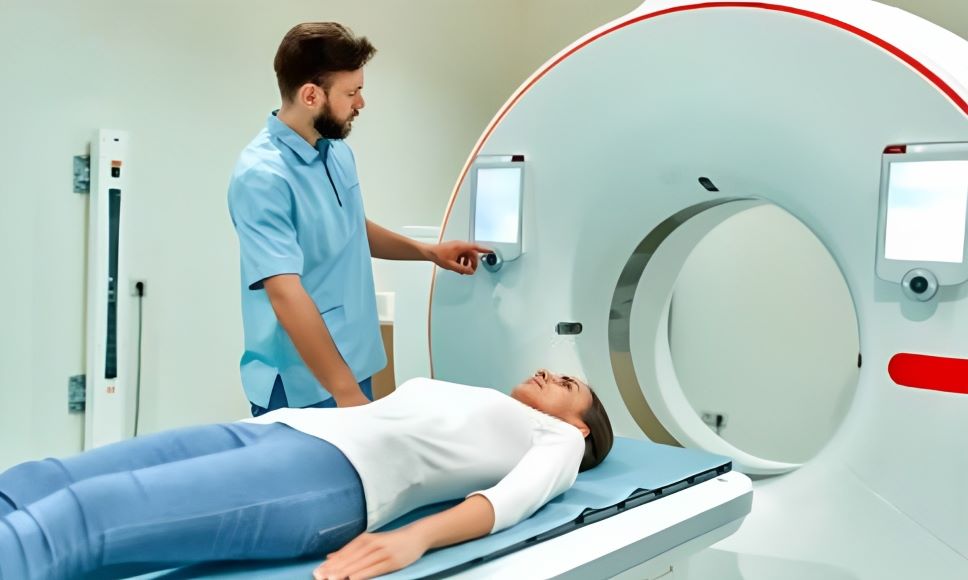
The Emerging Need For CT Scans In Bangalore
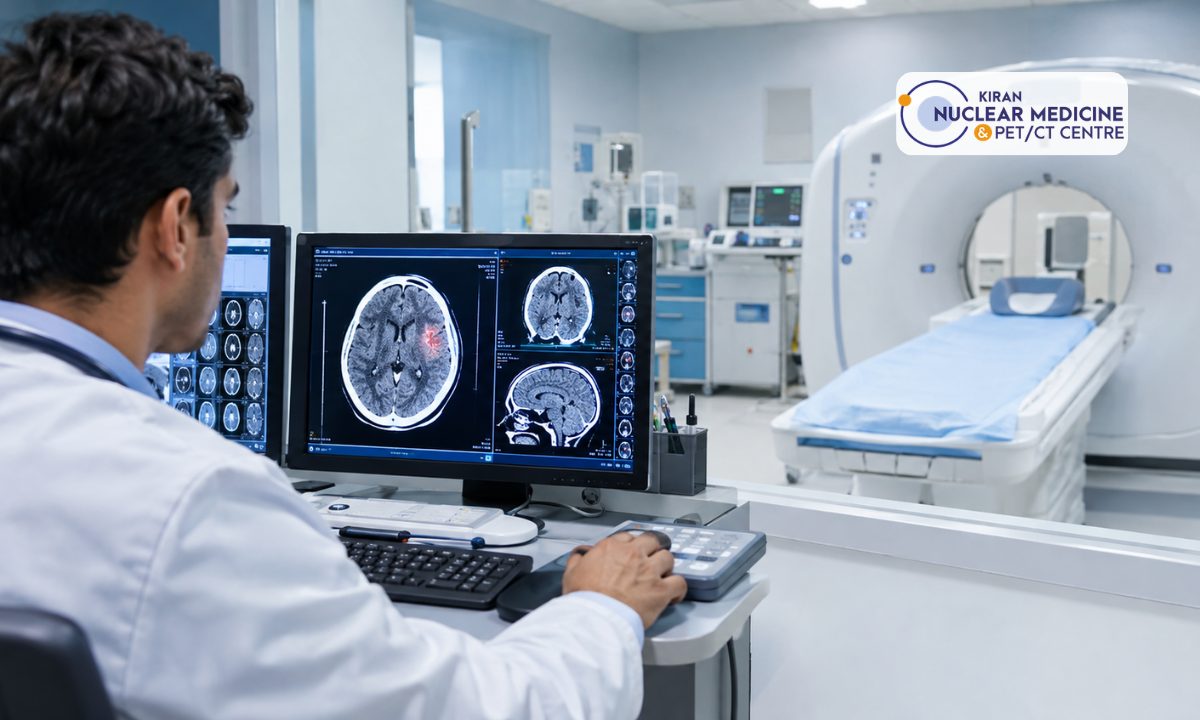
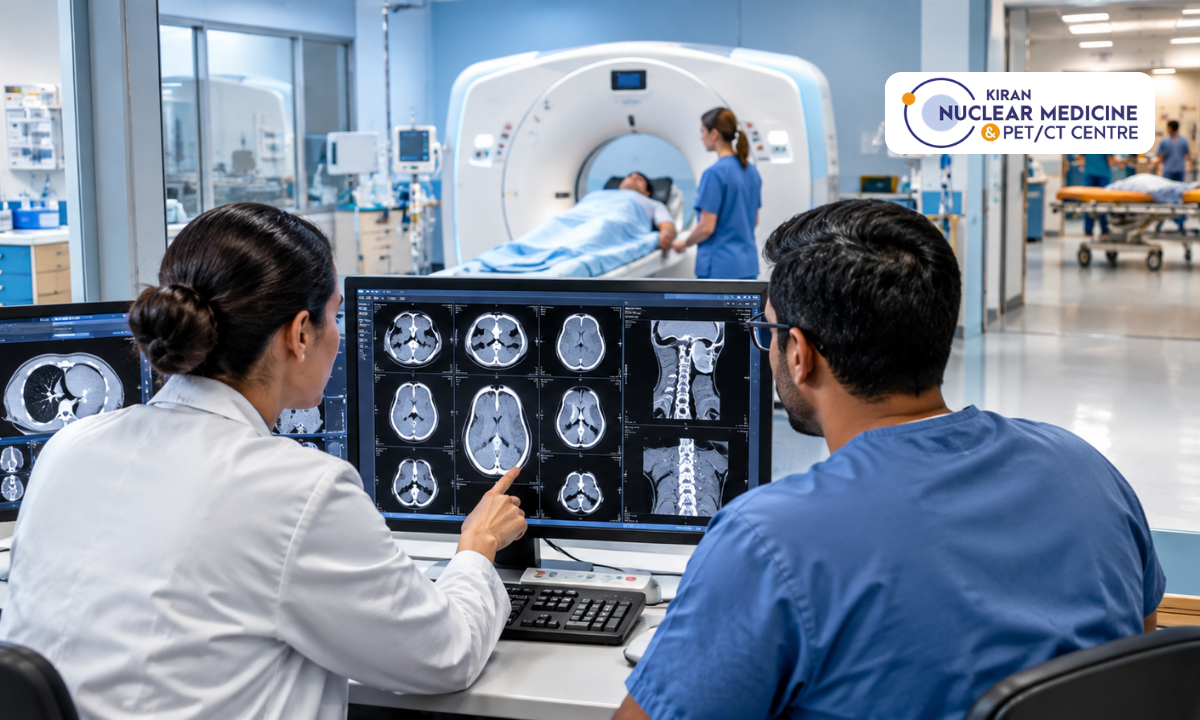
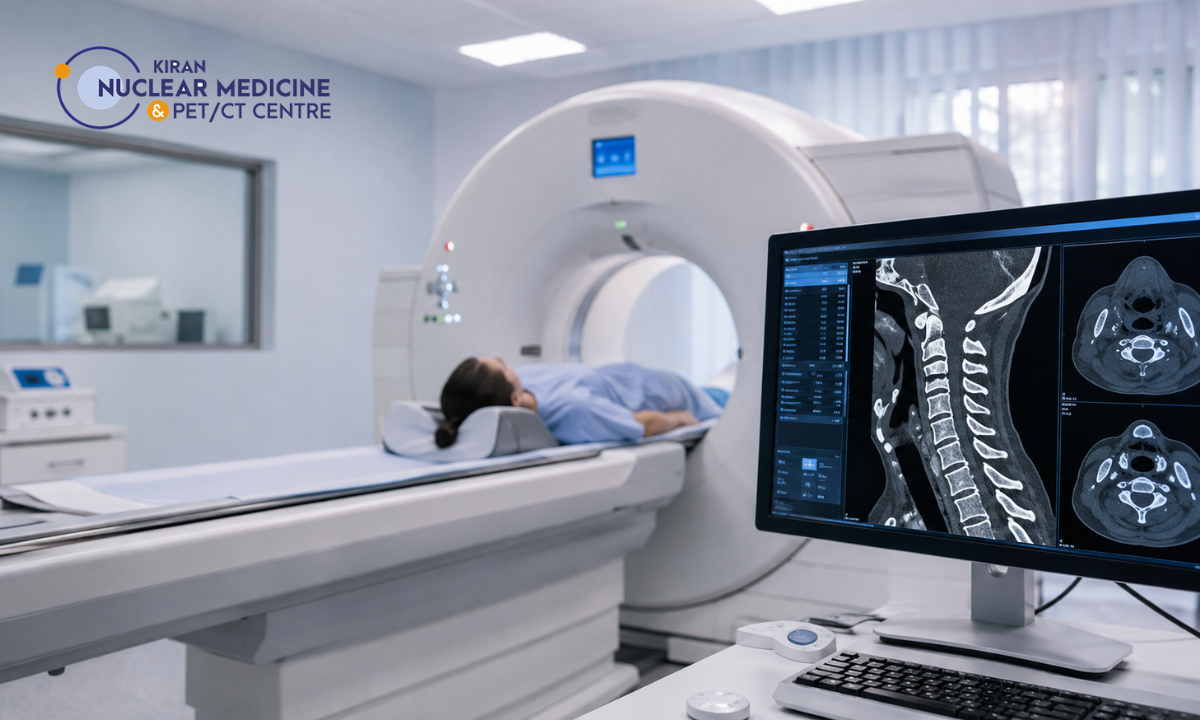
A chest CT scan gives your doctor a detailed, cross-sectional view of your lungs, airways, and surrounding structures that a standard chest X-ray simply cannot match. Whether your pulmonologist needs to evaluate a persistent cough, suspected lung infection, nodule, or assess post-COVID lung damage — a CT scan in Bangalore at Kiran PET CT delivers the imaging clarity needed for accurate diagnosis and treatment planning.
Kiran PET CT offers chest CT, HRCT (High Resolution CT), and Low-Dose CT (LDCT) for lung cancer screening — all performed on GE Discovery IQ Gen 2 imaging systems at our Banashankari and Indiranagar centres, with same-day digital reports.
Progressing Health With CT Scan For Lungs In Bangalore
It is indeed fascinating to see how human innovations in the medical landscape lead to the aspects of modernising medical imaging technology over time. This further enabled us to arrive at one of the most preferred and precise diagnostic methods, the CT scan in Bangalore. The term CT is an abbreviation for Computed Tomography. Since the ability of X-rays to obtain clear images of any plane or section of the body is employed, this is described with the term, Tomography. As this novel technique also uses computer technology and algorithm to fine-tune the obtained images, the term “Computed” was added as a prefix. CT scans in Bangalore have been popularised over time and even got the leading benefit of being specific to each body part. There are CT scans for the brain, CT scans for the heart, CT scans for the abdomen, General CT scans and CT scans for lungs in Bangalore that make diagnosis more convenient and extremely accurate. This article focuses more on how these scans are beneficial in studying the structure and activity in the lungs for further diagnosis.
The structure of the respiratory system was initially studied through surgical methods and later through imaging technology. Further, the function and activity are usually studied through modern methods similar to CT scans for lungs in Bangalore. The human body has two air-filled organs, that are asymmetrical and spongy in structure. These are present in the thoracic or the chest region. They are primary components of the human respiratory system. They are responsible for the process of gaseous exchange where oxygen is made available to the body by exchanging it with carbon dioxide and other gases. Oxygen is necessary for carrying nutrients across the body by the medium of blood through the circulatory system. The lungs perform this exchange about 12 to 20 times in one minute. This gaseous exchange is possible due to the function of millions of minute structures called alveoli that are present across the surface of the lungs. Through the property of diffusion, oxygen enters the bloodstream in the tiny blood vessels running close to the surface of these tiny air-sacs called alveoli. The alveoli are the functional structures of the lungs. Apart from them, the windpipe or the trachea is the passage through which the inhaled air is passed on from the nasal cavity. The trachea further branches into two divisions into each lung. The structure at the branching of the trachea is a pair of bronchial tubes that are divided and join one lung each. This is the entire description of the structure of the human respiratory system.
Different Health Conditions Diagnosed By A CT Scan For Lungs In Bangalore
The coordinated functioning of all these features in the lungs makes it a high-functional organ system in the body. However, there are many different ailments that can affect the lungs, each with its causes and symptoms. They are easily traced on a CT scan for lungs in Bangalore.
- Asthma: It is seen as a chronic condition that constricts the passage in the lungs. making it difficult to breathe. It can be triggered by a variety of factors, including allergies, respiratory infections, exercise, and stress.
- Chronic Obstructive Pulmonary Disease (COPD): It is a gradual lung disorder which takes into account emphysema and severe bronchitis. This is resulted from prolonged exposure to cigarette smoke, but can also be caused by air pollution, occupational dust and chemicals, and genetic factors seen and detected through a CT scan in Bangalore.
- Pneumonia: It is an infection in the lung which is caused by bacteria, viruses, or fungi. It can develop as a complication from viral infections like cold or flu, or other similar respiratory conditions, such as COPD mentioned above.
- Lung Cancer: The contributing factor is mainly the repeatedly coming across tobacco smoke over a period of time, but can also be caused by exposure to radon, asbestos, and other chemicals. A CT scan for lungs in Bangalore can easily detect even at the early stages.
- Pulmonary Embolism: Pulmonary embolism is a blockage seen in the passage of pulmonary arteries, carrying blood that is pumped heart to the lungs. It is usually caused due to the movement of blood clot from one part of the body to other parts, such as in the lower body.
- Tuberculosis: Tuberculosis, caused by a bacterial infection, is spread through the medium of air when an infected person transfers aerosols or droplets through coughs or sneezes. It is seen that weaker immunity people are more susceptible towards tuberculosis.
- Cystic Fibrosis: Cystic fibrosis refers to the development of mucus in the linings and cavities in the lungs. It is a genetic disorder usually causing discomfort in breathing. This is due to aberration in the gene causing issues in mucus production that can be tested using a CT scan for the lungs in Bangalore.
Different lung conditions can have various causes. Some of these causes include exposure to environmental pollutants, such as tobacco smoke or air pollution, infections caused by bacteria or viruses, genetic factors, and long-term exposure to irritants such as dust, asbestos, and chemicals.
An individual’s lifestyle increases the susceptibility of the development of lung conditions, such as smoking and lack of physical activity. Some lung conditions can also be caused by underlying medical conditions or complications of other diseases.
In summary, the causes of lung ailments can vary widely, from exposure to environmental pollutants to genetic factors. Crucial step is to look for medical assistance if you are experiencing any symptoms of a lung ailment, such as difficulty breathing, chest pain, or a persistent cough. Leading diagnostic centres in Bangalore can help with identifying the causes with a range of facilities. CT scan for lungs in Bangalore is a specialised technique that can not just accurately diagnose the condition but also locate the origin with specificity. The scans are accurate, efficient and help make treatment plans more effective. The success rate is also seen to be faster and leads to the cost-effectiveness of the scan. A CT scan cost in Bangalore is affordably set to make it more accessible to people.
Here Is How A CT Scan For Lungs In Bangalore Can Help To Treat Various Lung Conditions:
- CT scans in Bangalore can detect lung nodules or masses that may be cancerous. The scan can also determine the size, location, and extent of the cancer.
- CT scans can help diagnose a pulmonary embolism by detecting blood clots in the lungs.
- They can show the extent and severity of lung inflammation caused by pneumonia.
- CT scans can detect abnormalities in the lungs caused by tuberculosis, such as nodules, cavities, and lymph node enlargement.
- CT scans in Bangalore can reveal the extent of scarring and inflammation in the lung tissue caused by interstitial lung disease.
- A CT scan for lungs in Bangalore can provide a detailed image of the lungs, allowing doctors to see if there is any damage to the air sacs and assess the severity of the emphysema.
- A CT scan can helps to monitor the conditions and evaluate the effectiveness of treatment. It can help doctors determine the best course of treatment, such as medication, oxygen therapy, or pulmonary rehabilitation.
What is HRCT Chest Scan and When is it Used?
HRCT (High Resolution CT) of the chest uses thinner image slices and higher resolution reconstruction to produce detailed images of the lung parenchyma — the lung tissue itself. It is specifically designed for evaluating interstitial lung diseases and fine structural abnormalities that a standard chest CT may not clearly resolve.
HRCT chest is recommended for:
- Interstitial lung disease (ILD) — pulmonary fibrosis, sarcoidosis, hypersensitivity pneumonitis
- Post-COVID lung damage — ground-glass opacities, fibrotic changes, organising pneumonia
- Bronchiectasis — abnormal widening of the airways
- Occupational lung disease — asbestosis, silicosis, coal worker’s pneumoconiosis
- Detailed evaluation of lung nodules identified on standard chest CT
- Assessment of emphysema severity in COPD patients
HRCT does not use contrast dye in most cases. The scan takes 10–15 minutes and reports are delivered on the same day at Kiran PET CT.
Low-Dose CT (LDCT) for Lung Cancer Screening in Bangalore
Low-Dose CT (LDCT) is a specialised chest CT protocol that uses significantly reduced radiation exposure — approximately 90% less radiation than a standard chest CT — specifically designed for annual lung cancer screening in high-risk individuals.
LDCT lung cancer screening is recommended for:
- Current or former smokers aged 50–80 with a 20 pack-year smoking history
- Individuals with prolonged exposure to occupational carcinogens — asbestos, radon, silica, diesel fumes
- People with significant indoor air pollution exposure — wood-burning stoves, kerosene cooking in poorly ventilated spaces
- Individuals with a first-degree family history of lung cancer
Lung cancer detected at early stage (Stage I) has a significantly higher survival rate than cancer detected after symptoms appear. LDCT screening is the only imaging modality proven to reduce lung cancer mortality in high-risk populations through early detection.
At Kiran PET CT, LDCT lung cancer screening is available at both our Banashankari and Indiranagar centres. Speak to our team about whether you qualify for annual LDCT screening.
How to Prepare for a CT Scan for Lungs at Kiran PET CT
Standard chest CT (no contrast): No fasting required. Remove all metal objects including jewellery, necklaces, bra underwires, and piercings before the scan. Wear comfortable, loose-fitting clothing. You will be asked to hold your breath briefly during the scan — our technologist will give you clear instructions before imaging begins.
Contrast-enhanced chest CT: Fast for 4–6 hours before the scan. Inform the team in advance if you have kidney disease, diabetes (especially if on Metformin), known allergies to contrast dye, or previous contrast reactions. Continue all regular medications unless specifically advised otherwise by your doctor.
HRCT chest: No fasting required. No contrast dye in most cases. Preparation is the same as standard chest CT — remove metal objects, wear comfortable clothing, follow breath-hold instructions.
LDCT screening: No fasting required. No contrast dye. Bring your doctor’s referral and any previous chest imaging reports. The scan takes under 10 minutes.
Conclusion
A chest CT scan — whether standard, HRCT, or low-dose — provides the most complete picture of your lung health available in a non-invasive, outpatient procedure.
At Kiran PET CT, chest CT scans are available daily at both our Banashankari and Indiranagar centres. Same-day appointments. Same-day digital reports. Radiologists trained at PGIMER and JIPMER.
Book your lung CT scan at Kiran PET CT — call 70902 70904 (Banashankari) or 70902 70905 (Indiranagar).
FAQ
What does a CT scan for lungs detect?
A chest CT scan detects lung infections including pneumonia and tuberculosis, lung nodules and tumours, pulmonary embolism (blood clots in the lung arteries), pleural effusion (fluid around the lungs), emphysema and COPD changes, lung fibrosis and interstitial lung disease, post-COVID lung damage, and structural abnormalities of the airways and chest wall. It provides significantly more detail than a standard chest X-ray for all of these conditions.
What is the difference between chest CT and HRCT?
A standard chest CT provides cross-sectional images of the lungs and surrounding structures at standard resolution. HRCT (High Resolution CT) uses thinner image slices and higher resolution reconstruction specifically designed to visualise the lung tissue in detail — it is preferred for diagnosing interstitial lung diseases, post-COVID lung changes, bronchiectasis, and fine structural abnormalities. Your pulmonologist will specify which type is needed based on your clinical condition.
Do I need to fast before a CT scan for lungs?
Fasting is not required for a standard or HRCT chest CT scan without contrast dye. If your doctor has requested a contrast-enhanced chest CT, fasting for 4–6 hours is required before the scan. Plain water is allowed during the fasting period. Do not stop any regular medications unless specifically advised by your doctor or the Kiran PET CT team.
Is a chest CT scan safe in terms of radiation?
Yes. Chest CT scans use controlled, low-level radiation calibrated to produce the highest diagnostic accuracy at the lowest necessary dose. LDCT (Low-Dose CT) uses approximately 90% less radiation than a standard chest CT and is specifically designed for annual repeat screening. At Kiran PET CT, all chest CT procedures use GE Discovery IQ Gen 2 technology with built-in dose optimisation — and follow AERB radiation safety protocols.
What is low-dose CT lung screening and who needs it?
Low-Dose CT (LDCT) is an annual lung cancer screening scan recommended for high-risk individuals — current or former heavy smokers aged 50–80, people with significant occupational carcinogen exposure, or those with a strong family history of lung cancer. It detects small lung nodules before symptoms develop — when treatment is most effective. LDCT is available at Kiran PET CT’s Banashankari and Indiranagar centres.
How much does a CT scan for lungs cost in Bangalore?
Lung CT scan costs in Bangalore vary based on the type of scan — standard chest CT, HRCT, or LDCT — and whether contrast dye is required. At Kiran PET CT, pricing is transparent with no hidden charges. Contact us at 70902 70904 (Banashankari) or 70902 70905 (Indiranagar) for an accurate quote for your specific scan type.