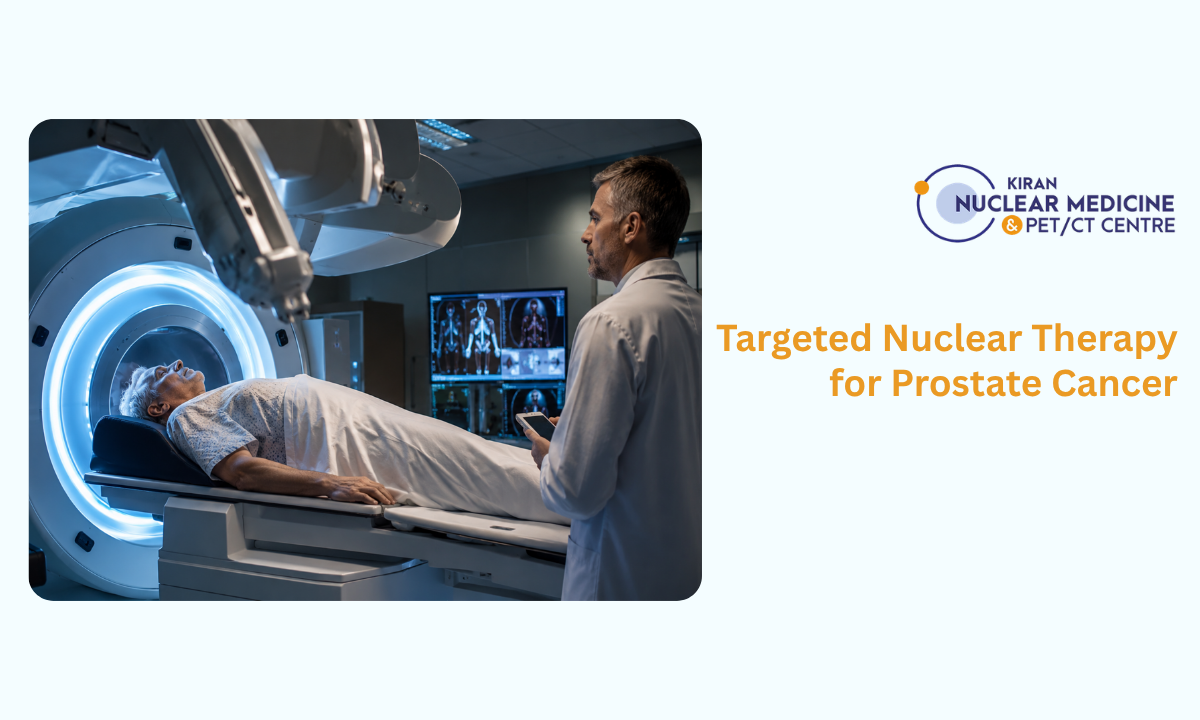
When prostate cancer progresses despite hormone therapy and other treatments, patients and families often begin hearing about Lutetium-177 PSMA therapy. This targeted nuclear medicine treatment delivers radiation directly to cancer cells that carry a protein called prostate-specific membrane antigen (PSMA), while limiting exposure to healthy tissue.
However, this treatment is not suitable for everyone. Whether it is appropriate depends on the type and stage of the cancer, the treatments already received, the results of PSMA imaging and the patient’s overall health. This guide focuses on how doctors assess suitability, which tests are involved, how to prepare and what safety measures to expect. For a complete overview of the treatment itself, you can read about Lutetium-177 PSMA therapy in Bangalore at Kiran PETCT.
Who May Be Eligible for Lutetium-177 PSMA Therapy?

Eligibility is always decided on an individual basis by a multidisciplinary team, usually involving a nuclear medicine physician, an oncologist and a urologist. If you would like a broader explanation of how this approach fits into prostate cancer care, our article on targeted nuclear therapy for prostate cancer covers the wider picture.
What Is Metastatic Castration-Resistant Prostate Cancer?
Most prostate cancers initially respond to treatments that lower testosterone. Over time, some cancers continue to grow despite low testosterone levels and spread beyond the prostate. This stage is known as metastatic castration-resistant prostate cancer (mCRPC), and it is the setting in which this radioligand therapy has been most widely studied.
How Previous Prostate Cancer Treatments Affect Eligibility
Doctors review every treatment a patient has received, including hormone therapy, androgen receptor pathway inhibitors, taxane chemotherapy and radiotherapy. For approved Lutetium-177 PSMA therapy, eligibility commonly requires prior treatment with an androgen receptor pathway inhibitor and either prior taxane chemotherapy or a clinical decision that chemotherapy can be delayed, as set out in the US FDA prescribing information.
Why Blood Counts and Kidney Function Matter
Because the treatment can affect the bone marrow and kidneys, patients need adequate blood counts and kidney function before starting. These results help the team judge whether treatment can be given safely. Exact thresholds vary by protocol and individual circumstances.
When Doctors May Recommend an Alternative Treatment
If imaging shows insufficient PSMA expression, if blood counts or kidney function are too low, or if overall health is significantly compromised, the team may recommend a different approach. This is not a refusal of care but a decision made to protect the patient’s well-being.
Why Is a PSMA PET Scan Important Before Treatment?
A PSMA PET/CT scan is the key test that shows whether the cancer can be targeted by this therapy. Specialists generally use a recent scan, often performed within the preceding three months or since the most recent progression, so that it reflects the current spread of the cancer and its PSMA expression.
How PSMA PET/CT Identifies PSMA-Expressing Cancer
During the scan, a small amount of a radioactive tracer that binds to PSMA is injected. The PET/CT camera then shows where the tracer collects in the body, highlighting areas of cancer that express PSMA.
What Doctors Look for in the Scan Results
The team assesses how strongly the tumours take up the tracer and how widely the disease has spread. Strong, consistent uptake suggests that the treatment is likely to reach the cancer cells effectively.
What Happens if Some Tumours Show Low PSMA Uptake?
Some tumours may express little or no PSMA. If significant disease does not show uptake, the therapy may not reach those areas, and doctors may consider other options or additional assessments.
Why Additional Imaging May Be Needed
In selected cases, additional imaging such as FDG PET/CT may help identify disease that does not express PSMA. It is not a routine requirement for every patient, and the team will decide whether it is useful based on the PSMA scan and clinical findings. Imaging results are always interpreted alongside clinical information, and a favourable scan does not guarantee a response to treatment.
What Tests Are Needed Before Lutetium-177 PSMA Therapy?
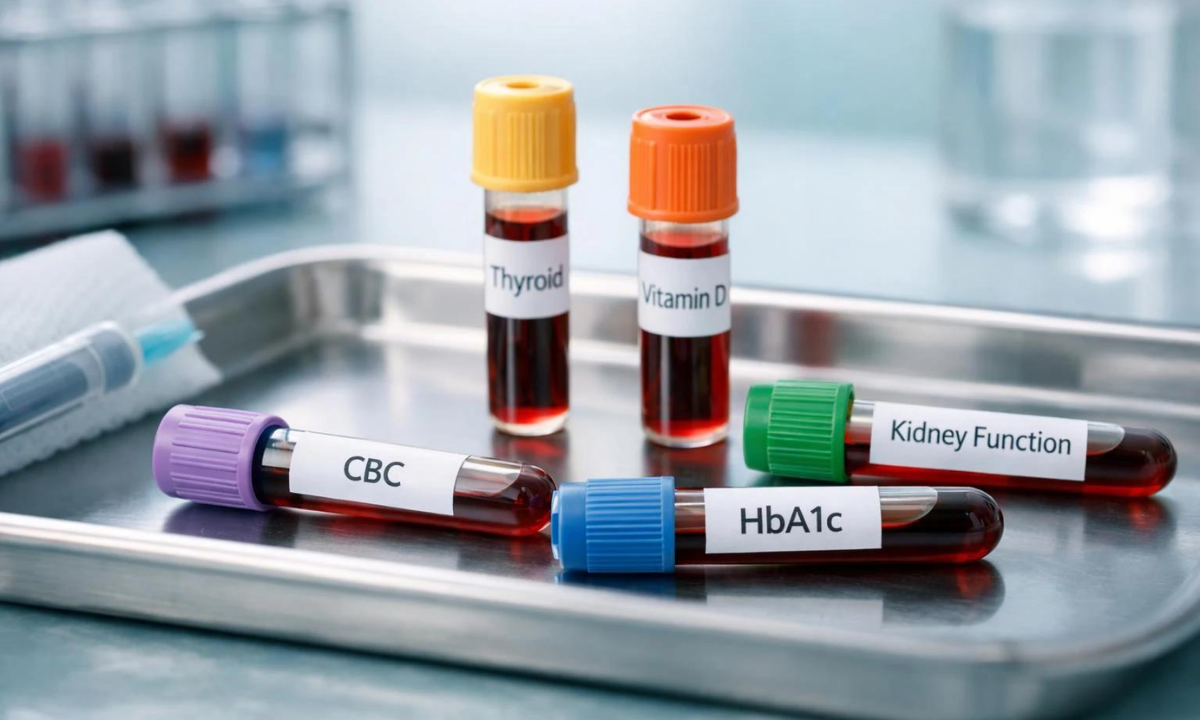
Pre-treatment tests help the team confirm safety and create a baseline for comparison during follow-up. The 2023 joint EANM/SNMMI procedure guideline outlines the assessments that specialists commonly use.
Complete Blood Count and Platelet Assessment
A complete blood count measures haemoglobin, white blood cells and platelets. Since the therapy can temporarily lower these counts, starting levels must be adequate.
Kidney and Liver Function Tests
The radioactive medicine is cleared mainly through the kidneys, so kidney function is checked carefully. Liver function tests give a broader picture of the patient’s health.
Review of PSA Levels and Previous Treatment Records
Recent prostate-specific antigen (PSA) results and treatment history help doctors understand how the cancer has behaved and provide a reference point for measuring response later.
Assessing Symptoms, Medicines and Overall Health
The team also reviews pain levels, mobility, other medical conditions and current medicines. A patient’s general fitness plays an important role in deciding whether treatment is appropriate.
How to Prepare for Lutetium-177 PSMA Therapy
Good preparation makes treatment day smoother for both patients and caregivers.
Medical Records and Reports to Bring
Bring recent scan reports and images, blood test results, PSA history, discharge summaries and a list of all previous cancer treatments. Complete records help the team make informed decisions.
Medicines and Supplements to Discuss With Your Doctor
Share a full list of prescribed medicines, over-the-counter products and supplements. Some medicines may need to be reviewed before treatment, but patients should never stop any prescribed medicine without medical advice.
Hydration, Food and Treatment-Day Instructions
Patients are usually advised to stay well hydrated, as this supports the kidneys in clearing the medicine. Specific instructions on eating, drinking and timing depend on the treating centre’s protocol and the patient’s condition.
Arranging Transport and Support at Home
Plan for someone to accompany you on treatment day and help at home afterwards. It is also useful to discuss radiation safety arrangements at home in advance, particularly if young children or pregnant family members live with you.
What Happens on the Day of Treatment?

On treatment day, the team reviews recent blood results, confirms that the patient is well enough to proceed and answers final questions. Lutetium-177 PSMA is usually given through an intravenous infusion, followed by a period of observation and radiation safety guidance before discharge. Because treatment is commonly delivered over several cycles, the number and spacing of treatments depend on blood counts, kidney function, tolerance and response. For a detailed walkthrough, read our guide to what to expect during Lutetium-177 therapy.
What Are the Possible Side Effects and Safety Precautions?
Side effects vary from person to person, and many are mild to moderate. Regular monitoring helps identify problems early.
Fatigue, Nausea and Dry Mouth
Tiredness and nausea are among the more common effects. Because the salivary glands also take up the medicine, some patients experience a dry mouth, which may be temporary or longer lasting.
Changes in Blood Cell Counts
The therapy can lower red cells, white cells and platelets. This may lead to tiredness, a higher risk of infection or easier bruising, which is why blood tests are repeated between cycles.
Kidney Function and Other Potential Risks
Kidney function is monitored throughout treatment. The team will explain any other risks that are relevant to the individual patient’s situation.
Radiation Safety Instructions After Treatment
For a short period after each cycle, patients are usually advised to limit close contact with others, especially children and pregnant women, sleep separately, maintain careful toilet hygiene and follow guidance on travel. These precautions should follow the treating centre’s specific instructions.
When to Contact the Treating Team
Contact the team promptly if you develop fever, unusual bleeding or bruising, severe tiredness, reduced urine output or any symptom that concerns you.
How Do Doctors Monitor the Response to Treatment?
Follow-up continues throughout and after the treatment course. The 2021 review on Lutetium-177 PSMA therapy describes how response is typically assessed in clinical practice.
Tracking PSA Levels Over Time
PSA is measured regularly. A falling PSA is encouraging, but it is only one part of the overall assessment.
Follow-Up Blood Tests and Clinical Assessments
Blood counts and kidney function are rechecked to confirm that further cycles remain safe, while symptoms such as pain and energy levels are also reviewed.
When Follow-Up Imaging May Be Recommended
Repeat PSMA PET/CT or other scans may be advised to see how the disease has changed during or after treatment.
What Happens if the Cancer Does Not Respond?
If the treatment is not working as expected, the team will discuss alternative options and adjust the care plan accordingly.
Questions to Ask Your Nuclear Medicine Specialist
Preparing questions in advance can make your consultation more productive:
- Am I a suitable candidate for this therapy?
- What did my PSMA PET/CT show?
- What benefits and risks are relevant to my case?
- What tests and follow-up will I need?
- What precautions should my family and I follow at home?
- What are the expected costs and available alternatives?
Patients who have neuroendocrine tumours rather than prostate cancer may also wish to ask about Lutetium-177 DOTATATE therapy, which targets a different receptor.
Conclusion
Lutetium-177 PSMA therapy can be a valuable option for selected men with advanced prostate cancer, but careful patient selection is essential. A recent PSMA PET/CT scan, blood and kidney tests, a full review of previous treatments and an honest discussion about benefits and risks all help determine whether the treatment is right for an individual. Ongoing monitoring then ensures that each cycle remains safe and that progress is measured accurately.
Have questions about Lutetium-177 PSMA therapy? Contact Kiran PETCT in Bangalore, at our Banashankari or Indira Nagar centre, to discuss the imaging and clinical assessments involved in your care.
Frequently Asked Questions
Is a PSMA PET scan required before Lutetium-177 PSMA therapy?
Yes, in most cases. A recent PSMA PET/CT scan shows whether the cancer expresses enough PSMA for the treatment to target it effectively. Without adequate uptake on the scan, the therapy is unlikely to reach the cancer cells, so doctors use these results as a central part of the eligibility decision.
Can every patient with prostate cancer receive this treatment?
No. The therapy is generally considered for advanced prostate cancer that has progressed despite other treatments, including androgen receptor pathway inhibitors. Suitability also depends on PSMA imaging, blood counts, kidney function and overall health. Your specialist will explain whether it is appropriate in your situation.
What blood tests are needed before treatment?
Patients usually need a complete blood count, including platelets, along with kidney and liver function tests and a recent PSA level. These results confirm that treatment can be given safely and provide a baseline for comparing results during follow-up.
How long does recovery take after treatment?
Most patients return home the same day or shortly afterwards. Tiredness may last for some days after each cycle. Recovery varies between individuals, and your team will advise on activity, radiation precautions and when to resume normal routines.
How are side effects monitored?
Blood counts and kidney function are checked between cycles, and patients are asked about symptoms such as dry mouth, nausea and fatigue at each review. Any concerning changes may lead the team to adjust the dose, delay a cycle or provide supportive treatment.
How do doctors determine whether the treatment is working?
Doctors combine regular PSA measurements with symptom reviews, physical examination and, where appropriate, follow-up imaging. No single result tells the whole story, so the team looks at the overall picture before deciding on the next steps.