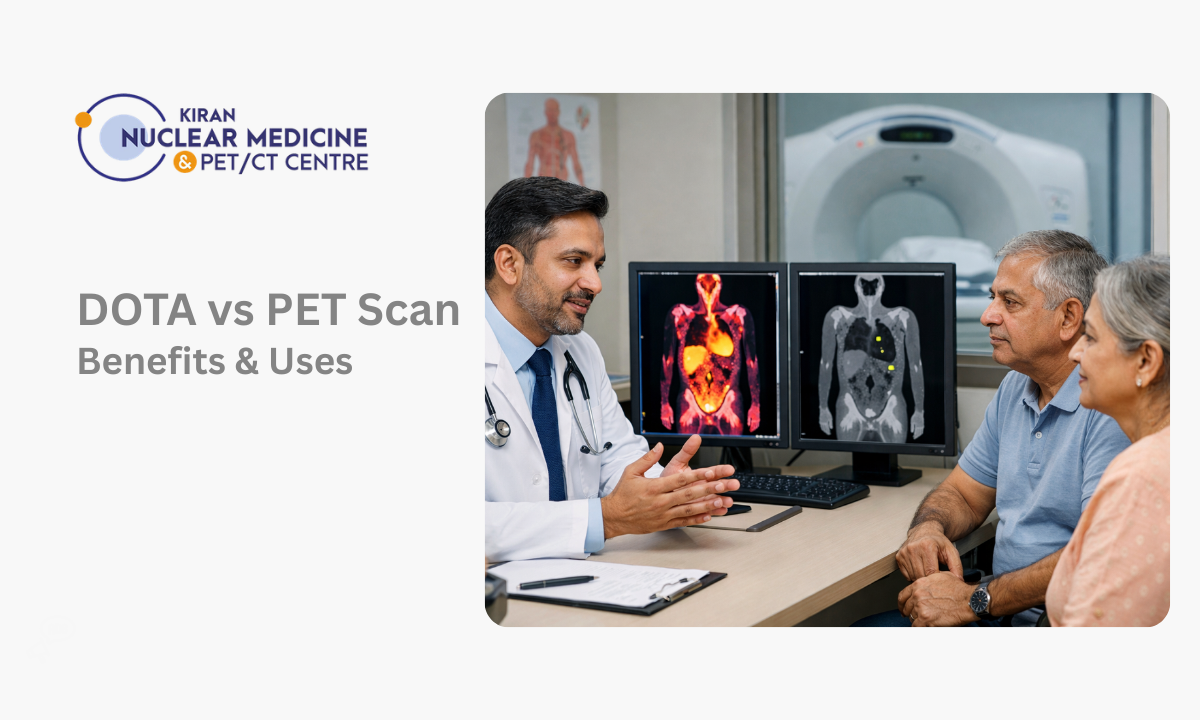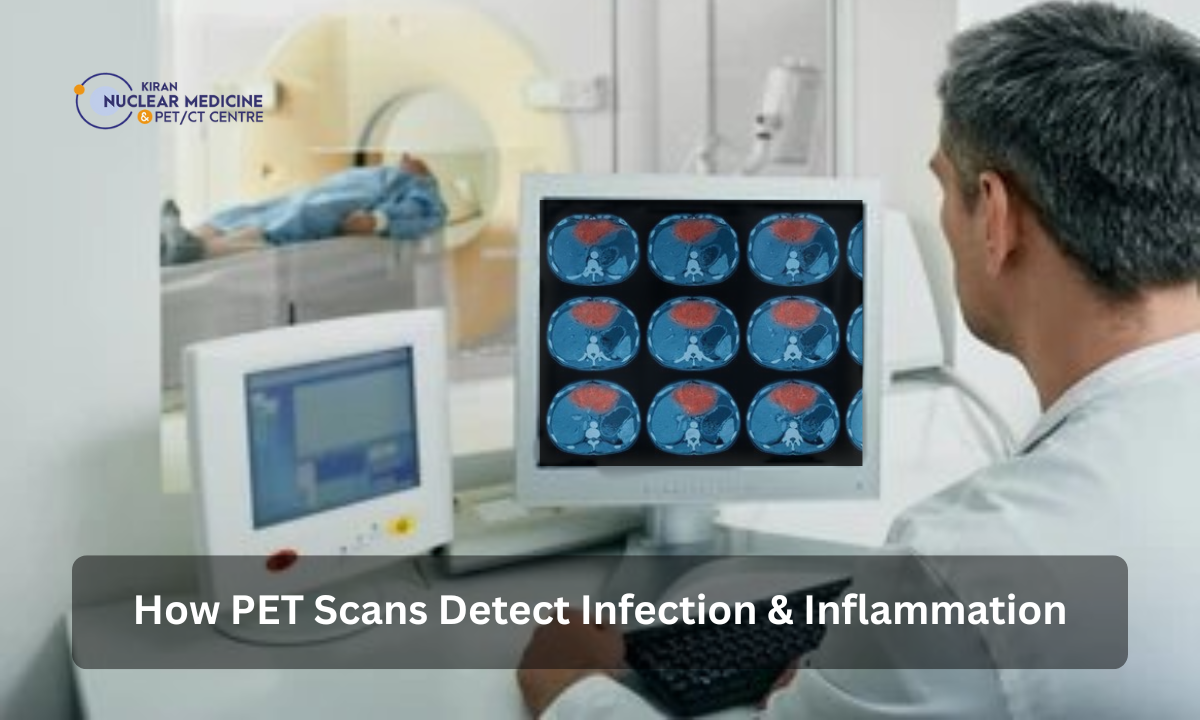
When we think about medical imaging, a PET scan often comes to mind as one of the most advanced diagnostic tools available today. This sophisticated imaging technique helps doctors see how organs and tissues function in real time, making it invaluable for detecting and monitoring various health conditions.
If you are seeking a PET scan in Bangalore, understanding the reasons behind repeated imaging can help ease your concerns and clarify your treatment journey. Let’s explore why some patients need multiple scans and how this benefits their care.
Understanding the Need for Multiple Scans
Many diseases don’t remain static. They evolve, respond to treatment, or sometimes return after appearing to be under control.
We use repeated PET scans because they provide updated information about what’s happening inside your body at different points in time. This ongoing monitoring is essential for conditions that require long-term management.
Monitoring Cancer Recurrence

One of the primary reasons patients need repeated scans is to watch for cancer recurrence. Even after successful treatment, cancer cells can sometimes return months or years later.
Regular PET scans act as an early warning system. They can detect metabolic changes in cells before tumors become large enough to cause symptoms.
This early detection of cancer recurrence gives doctors the opportunity to intervene quickly, often making treatment more effective.
Tracking Disease Progression and Treatment Response
For patients with chronic conditions, understanding disease progression is crucial for effective treatment planning. Multiple scans over time reveal patterns that help predict how the condition will develop.
Perhaps the most practical reason for repeat scans is to determine whether current treatments are actually working. A PET scan in Bangalore can show whether tumors are shrinking, staying the same, or growing after therapy.
If a treatment isn’t working, doctors can adjust the approach without wasting precious time on ineffective therapies.
The Role in Staging of Cancer
The staging of cancer isn’t always a one-time assessment. As treatment progresses, restaging becomes necessary.
Initial cancer staging tells doctors how far cancer has spread at diagnosis. Repeat scans help determine if the cancer stage has changed during treatment.
This dynamic staging process ensures that treatment intensity matches the actual current state of the disease.
Monitoring Neurological Conditions
While cancer is the most common reason for repeat PET scans, neurological conditions also require ongoing monitoring.
For patients with Alzheimer’s disease, PET scans can track the progression of brain changes over time. Follow-up scans help doctors assess how quickly the condition is progressing and whether medications are slowing cognitive decline.
Pre-Surgery Planning and Post-Treatment Surveillance
Before major surgeries, surgeons need the most current information possible. A fresh PET scan ensures they know exactly what they’re dealing with before the procedure.
After completing cancer treatment, patients enter a surveillance phase. Periodic PET scans help catch any signs of recurrence before symptoms appear, improving long-term outcomes.
Tips for Patients Undergoing Repeat PET Scans
- Preparation Consistency: Prepare for each scan the same way. Fast for the required hours and avoid strenuous exercise beforehand.
- Keep Records: Maintain a file with all your scan dates and results to track your progress.
- Ask Questions: Don’t hesitate to ask your doctor why a repeat scan is necessary.
- Stay Calm: A repeat scan doesn’t automatically mean bad news; it’s often just standard monitoring.
- Hydration: Drink plenty of water before and after your scan to help flush the tracer from your system.
Common Reasons for Repeat PET Scans
| Reason | Typical Frequency | Purpose |
|---|---|---|
| Cancer Recurrence Monitoring | Every 3-6 months initially | Early detection of returning cancer |
| Treatment Response Assessment | After each treatment cycle | Evaluate if therapy is working |
| Disease Progression Tracking | Varies by condition | Monitor how the disease evolves |
| Pre-Surgery Planning | As needed | Provide the current disease extent |
| Post-Treatment Surveillance | Gradually decreasing | Long-term monitoring |
Final Thoughts
Repeated PET scans represent a cornerstone of modern precision medicine. They allow us to stay one step ahead of disease, adjust treatments in real time, and give patients the best possible chance for positive outcomes.
If your doctor has recommended follow-up scans, view it as a positive sign that they are committed to monitoring your health closely and catching any potential issues early.
At our facility, Kiran PET CT, advanced imaging technology combined with experienced specialists, ensures that each scan provides the clearest possible picture of your health status.
The convenience and quality of getting a PET scan in Bangalore have improved significantly, making it easier for patients to stay on top of their monitoring schedules.
Remember, in healthcare, knowledge truly is power. Repeated scans give us the knowledge we need to make informed decisions about your treatment and care.
Frequently Asked Questions
1. Why Is A PET Scan Repeated?
A PET scan is repeated to monitor treatment response, check for cancer recurrence, track disease progression, or reassess staging. Diseases change over time, and repeat scans provide updated information that helps doctors adjust treatment plans accordingly.
2. How Often Should I Repeat A PET Scan?
The frequency depends on your specific condition and treatment plan. Cancer patients might need scans every 3-6 months during active treatment, then gradually space them out to once or twice a year during surveillance.
3. Why Do I Need Another PET Scan?
You may need another scan to evaluate treatment effectiveness, check if cancer has returned, investigate new symptoms, or plan for upcoming surgery. Your doctor orders additional scans when they need current information for your care decisions.
4. How Many PET Scans Are You Allowed?
There’s no fixed limit on PET scans. The number depends on medical necessity rather than restrictions. PET scans use small amounts of radioactive material that quickly leave your body, making them safe for repeated use when clinically needed.
5. How Many PET-CTs does A Cancer Patient Get On Average?
On average, cancer patients receive 3-5 PET-CT scans during diagnosis, treatment, and early follow-up. However, this varies widely based on cancer type and stage. Some patients need only 2-3 scans, while others with complex cases might require more over several years.