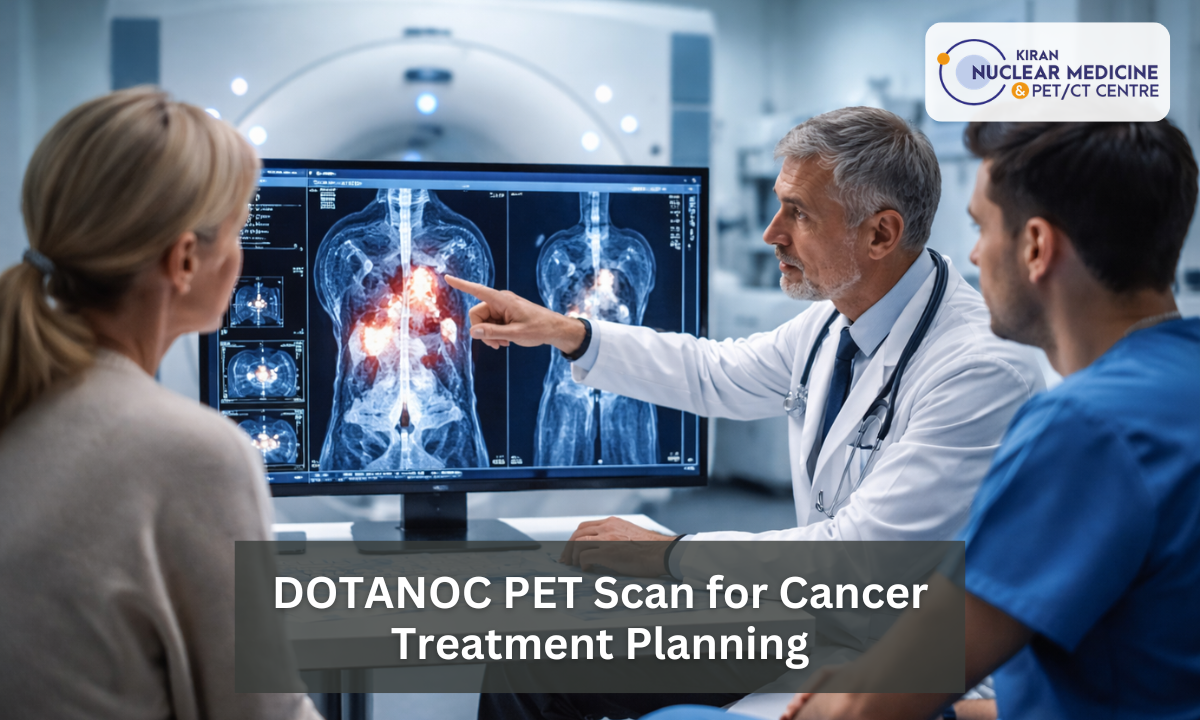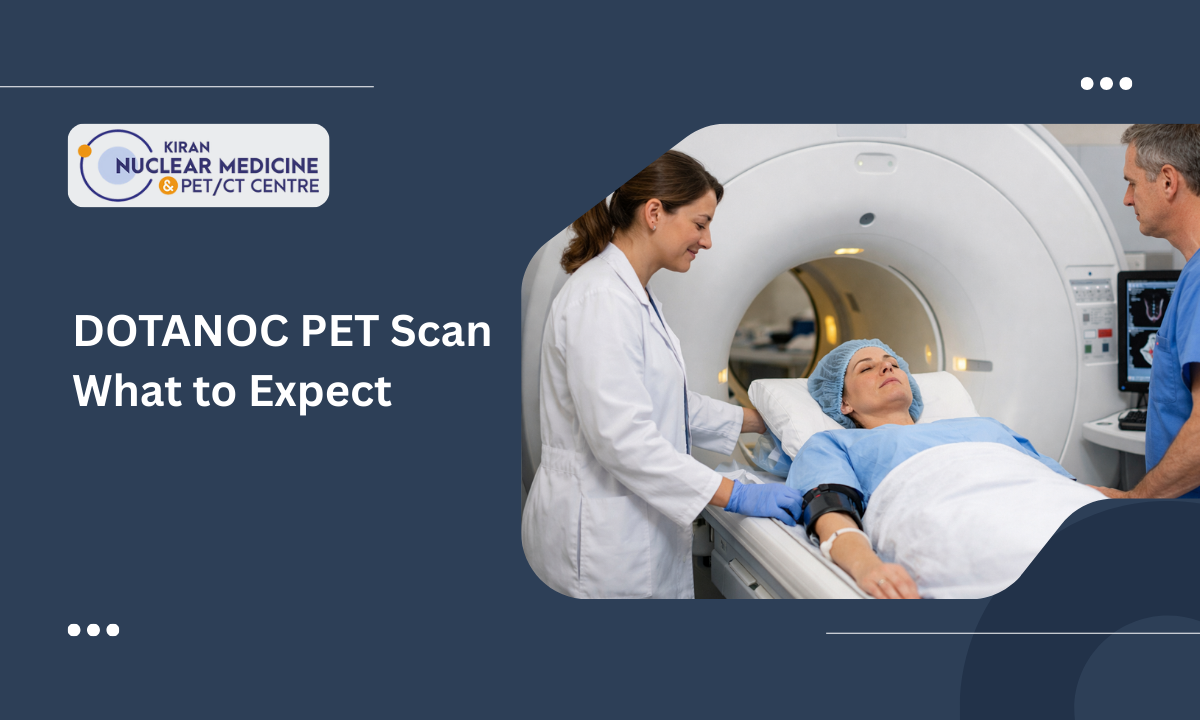
As a doctor at Kiran PET CT, I often meet patients who feel anxious before a DOTANOC PET Scan. That anxiety is completely natural. Medical scans sound complex, unfamiliar, and sometimes intimidating. My goal in this blog is to speak to you directly, not just as a physician, but as someone who understands your concerns, and walk you through exactly what to expect before, during, and after this scan.
In the first few minutes of our consultation, I usually explain that a DOTANOC PET scan is not painful, not invasive in the traditional sense, and incredibly powerful in helping us detect and manage neuroendocrine tumors. If you are visiting a PET scan centre in Bangalore, especially for the first time, understanding the process can make the experience far more comfortable.
Understanding the DOTANOC PET Scan
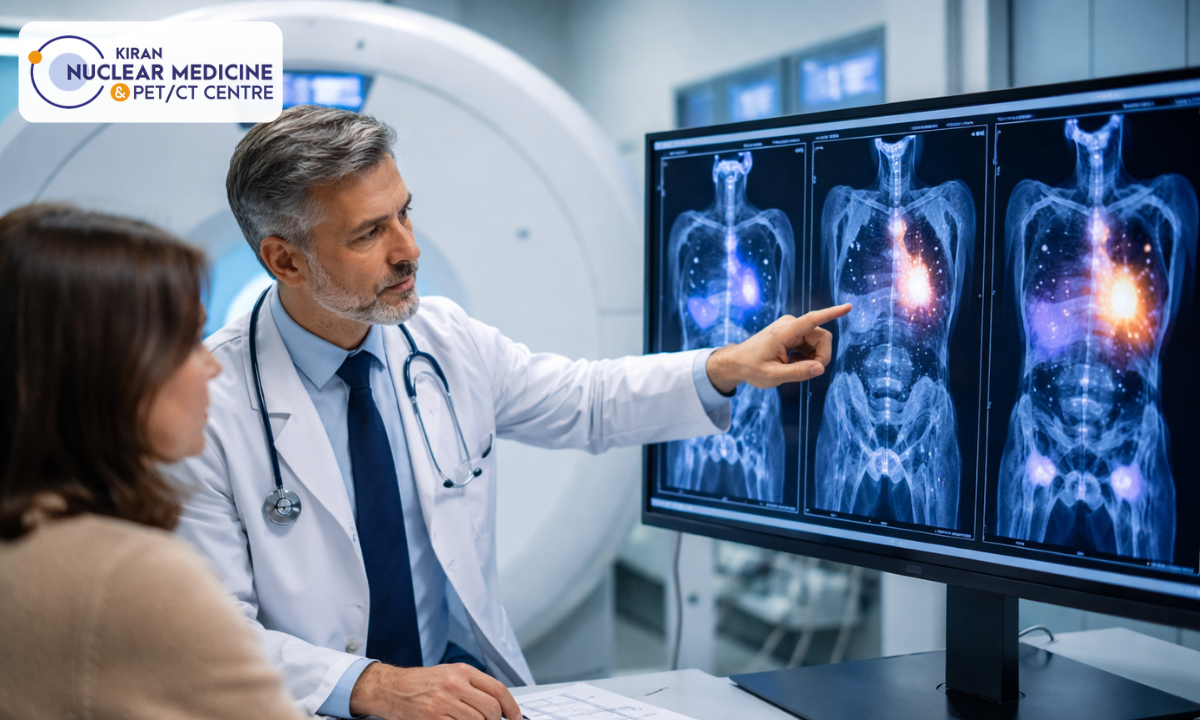
A DOTANOC PET Scan is a highly specialized nuclear medicine imaging test. It is primarily used to detect neuroendocrine tumors (NETs), which often express somatostatin receptors. DOTANOC is a radiotracer that binds specifically to these receptors, allowing us to see even very small tumors that may not be visible on conventional imaging.
From my clinical experience, this scan plays a crucial role in:
- Early and accurate diagnosis
- Staging of disease
- Assessing treatment response
- Planning targeted therapies
When patients ask me why this scan is recommended over others, I explain that its precision is unmatched for certain cancers.
Preparation Before the DOTANOC PET Scan

One of the most common concerns I hear is, “Doctor, how should I prepare?” Thankfully, preparation for a DOTANOC PET scan procedure is simple.
You are usually advised to:
- Fast for 4–6 hours before the scan
- Continue regular medications unless told otherwise
- Avoid heavy physical activity the day before
- Stay well hydrated
When patients come to us for a DOTANOC PET/CT Scan in Bangalore, we also review their previous reports carefully. This allows us to tailor the scan and ensure maximum diagnostic accuracy.
What Happens on the Day of the Scan
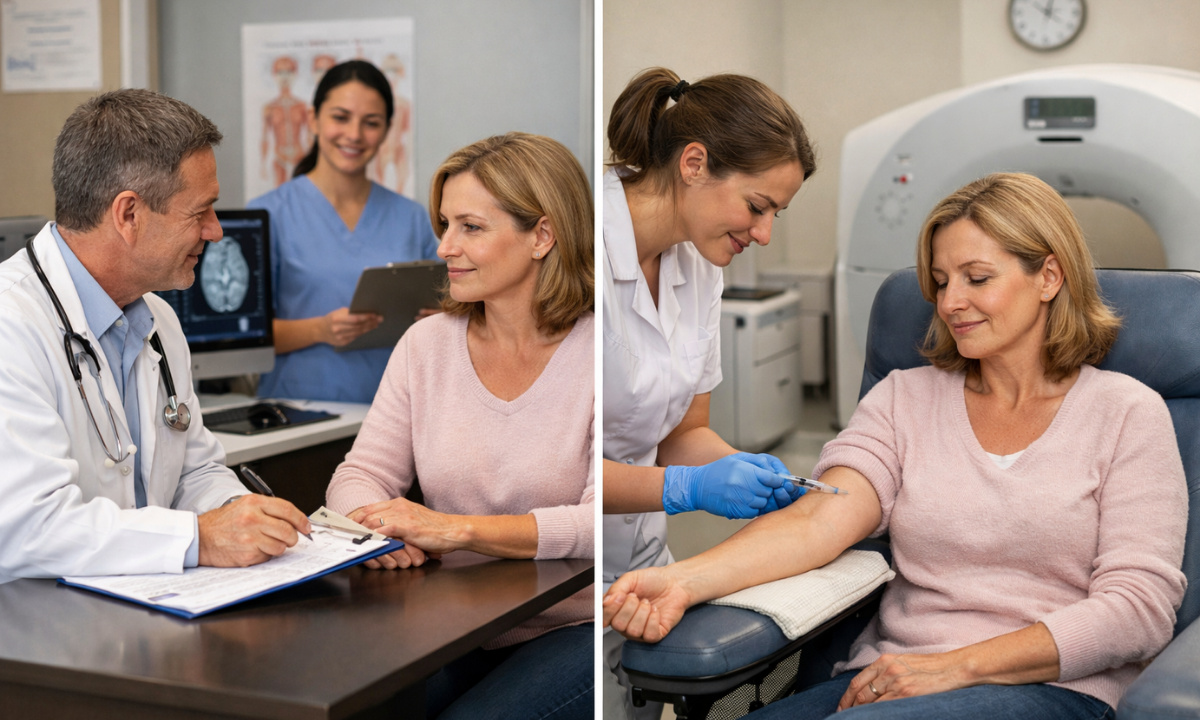
Right after you get to our clinic, my team and I make sure that you are supported every step of the way. First, we check your medical history and again, thoroughly describe the procedure to you because understanding lessens fear.
Radiotracer Injection
You will be given a small injection of the DOTANOC tracer. This step is fast, and the injection feels like a regular one. Then you will have a waiting period of about 4560 minutes while the tracer goes through your body and attaches itself to the target tissues.
The waiting period patients tend to tell me is when they most of the time get anxious. I explain to them that it is just a resting phase, and patients often relax, listen to music, or even meditate.
During the Scan
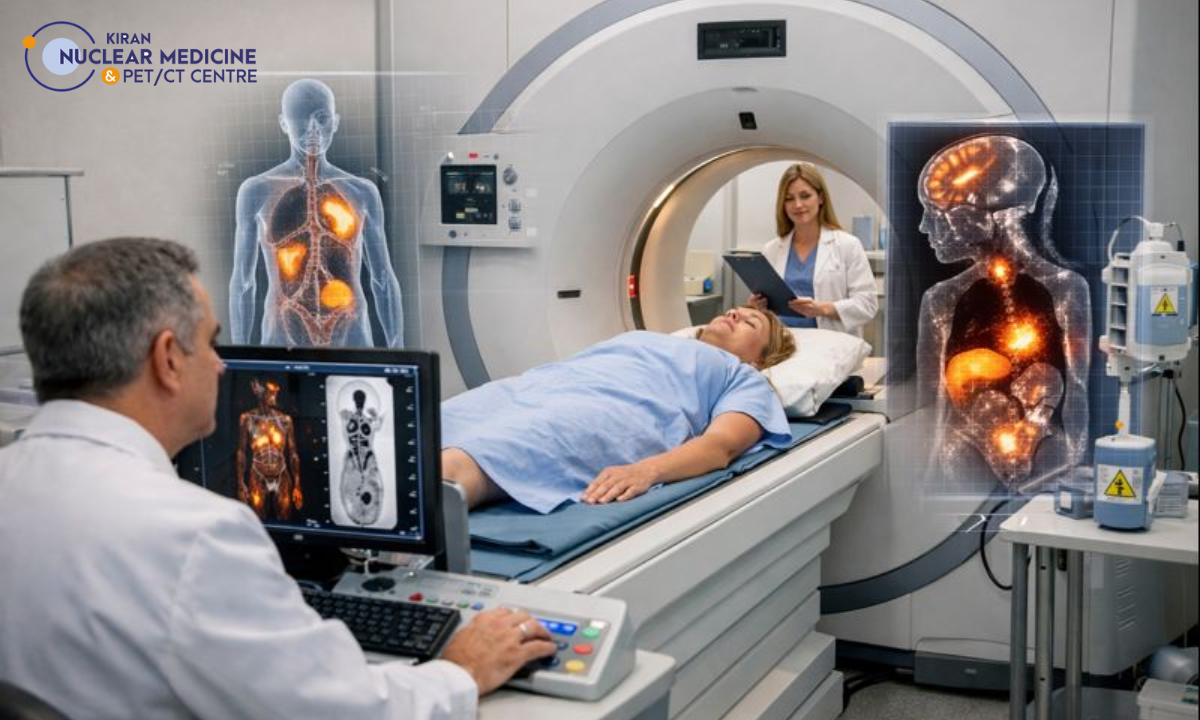
The scan is really a no-fuss procedure. You will be comfortable lying down on the PET/CT table, and the machine will be moving around you quite slowly. The scan is completely painless and quiet. I give importance to the fact that the patient lies still during the scan so that the pictures that are obtained are of good quality.
In the eyes of clinicians, this is the moment when advanced technology is combined with clinical knowledge. The pictures that we get allow us to see how the disease behaves at a molecular level, which is extremely helpful for treatment planning.
After the DOTANOC PET Scan
When the scan is finished, you are free to resume your normal activities. Generally, I recommend my patients take a lot of water to expedite the elimination of the tracer from the body. You can eat and move around as usual without any restrictions.
At Kiran PET CT, we pay great attention to detail in our reporting. Being a doctor, I jointly evaluate the scans with nuclear medicine specialists to guarantee quality. Our turnaround for getting the reports is very fast. We always advise our patients to talk about their results with the doctor who referred them. They can also discuss them with us if they need further explanations.
Why This Scan Is Important for Long-Term Care
During my practice, I have witnessed how a DOTANOC PET Scan done at the right time can drastically change the treatment plan. It prevents unnecessary surgeries, helps in the selection of the targeted, and confirms that the disease is not progressing when it is stable.
For the patients who are going through the long term treatment monitoring, the scan becomes a reliable instrument; it is not just one more test but a companion in their fight against the illness.
Final Thoughts
As a doctor, my role goes beyond diagnosis; it’s about trust, clarity, and compassion. Undergoing a DOTANOC PET Scan can feel overwhelming, but knowing what to expect makes all the difference.
Whether you are referred for the first time or coming in for follow-up imaging, choosing an experienced PET scan centre in Bangalore ensures both accuracy and peace of mind.
At Kiran PET CT, we are committed to delivering precise diagnostics with a human touch. For anyone seeking advanced imaging like a PET scan in Bangalore, informed care truly begins with understanding.
Frequently Asked Questions
1. What Is A DOTANOC PET Scan?
A DOTANOC PET Scan is a nuclear imaging test used mainly to detect neuroendocrine tumors by targeting somatostatin receptors in the body.
H3-2. Is the DOTANOC PET scan procedure painful?
No. Apart from a small injection, the procedure is completely painless and non-invasive.
3. How long does the DOTANOC PET Scan take?
The entire process usually takes about 2–3 hours, including preparation, tracer uptake time, and scanning.
4. Is the radiation exposure safe?
Yes. The radiation dose is low and well within internationally accepted safety limits.
5. Why should I choose Kiran PET CT for my scan?
At Kiran PET CT, we combine advanced technology, experienced doctors, and personalized patient care to ensure accurate results and comfort.
6. Do I need someone to accompany me?
It is not mandatory, but elderly patients or those feeling anxious may find it helpful to have a companion.