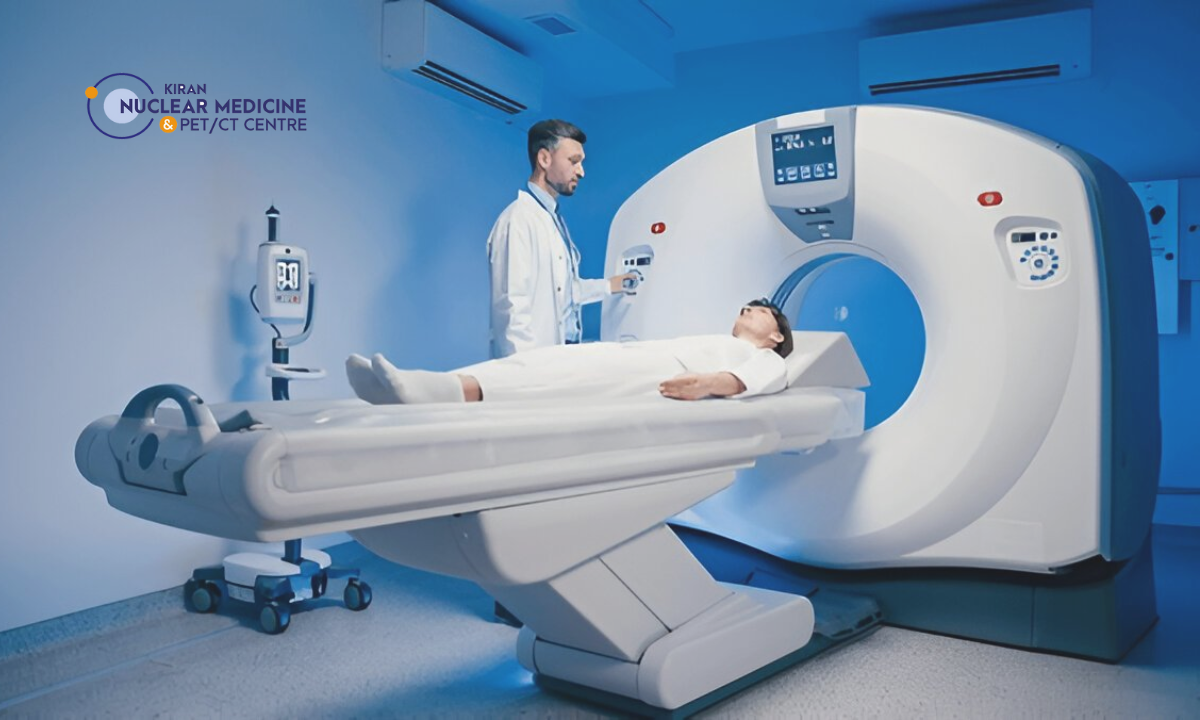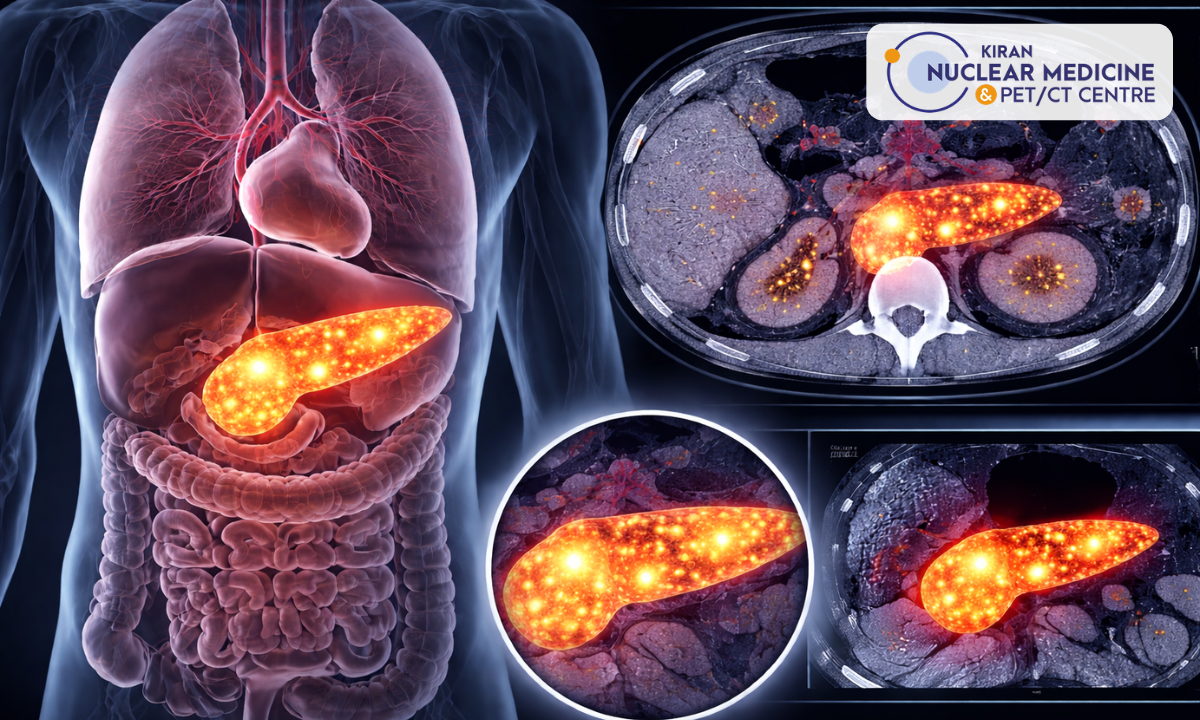
As a doctor working closely with patients at Kiranpet, I often meet individuals and families who feel overwhelmed after hearing the words “neuroendocrine tumors in the pancreas.” This diagnosis can sound frightening, confusing, and full of unanswered questions.
Through this detailed guide, I want to explain everything clearly, from the basics to advanced diagnostics, based on both medical science and my real-life experience caring for patients every day.
Understanding Neuroendocrine Tumors in the Pancreas
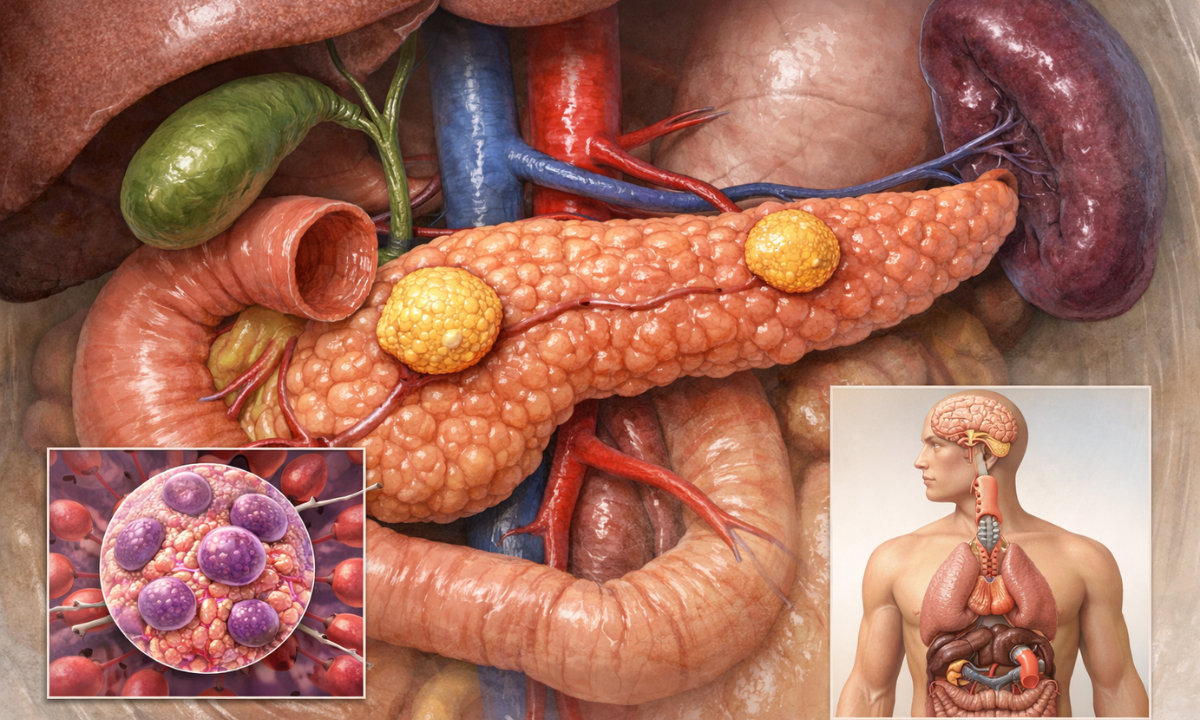
Neuroendocrine tumors in the pancreas are rare growths that arise from neuroendocrine cells. These specialized cells exist throughout the body and act as messengers between the nervous system and the endocrine (hormone) system. In the pancreas, they help regulate vital hormones such as insulin, glucagon, and somatostatin.
Unlike the more common pancreatic adenocarcinoma, neuroendocrine tumors often grow slowly, and many patients live long, meaningful lives when diagnosed early and treated appropriately. This is one of the most important facts I reassure my patients about.
Functional vs Non-Functional Neuroendocrine Tumors

From a clinical perspective, we divide these tumors into two broad categories:
Functional Neuroendocrine Tumors
These tumors produce excess hormones, leading to noticeable symptoms:
- Insulinomas cause low blood sugar, dizziness, and fainting
- Gastrinomas cause excessive acid production and recurrent ulcers
- Glucagonomas may cause diabetes-like symptoms and skin rashes
Patients with functional tumors often seek medical care earlier because symptoms appear sooner.
Non-Functional Neuroendocrine Tumors
These do not produce hormones in excess. Symptoms appear late and may include:
- Abdominal pain
- Weight loss
- Jaundice
- A feeling of fullness
In my practice, many non-functional tumors are discovered incidentally during scans for other conditions.
WHO Neuroendocrine Classification Explained Simply
The WHO neuroendocrine classification is essential for deciding treatment and predicting outcomes. It categorizes tumors based on how aggressive the cancer cells appear under a microscope:
- Grade 1 (Low Grade): Slow-growing, best prognosis
- Grade 2 (Intermediate Grade): Moderately aggressive
- Grade 3 (High Grade): Fast-growing, requires urgent treatment
This classification helps us personalize treatment rather than taking a one-size-fits-all approach.
Neuroendocrine Cancer vs Pancreatic Cancer
One of the most common questions I hear is about the difference between neuroendocrine cancer and pancreatic cancer.
Here’s the key distinction:
- Pancreatic adenocarcinoma is aggressive and often diagnosed late
- Neuroendocrine tumors in the pancreas usually grow more slowly and respond better to treatment
This difference significantly affects survival rates, quality of life, and treatment planning.
Diagnosis: How We Detect Neuroendocrine Tumors
Early and accurate diagnosis is critical. At our centre, we rely on a combination of blood tests, imaging, and advanced nuclear medicine techniques.
Blood and Hormone Tests
These help detect abnormal hormone levels produced by functional tumors.
Advanced Imaging: PET Scans
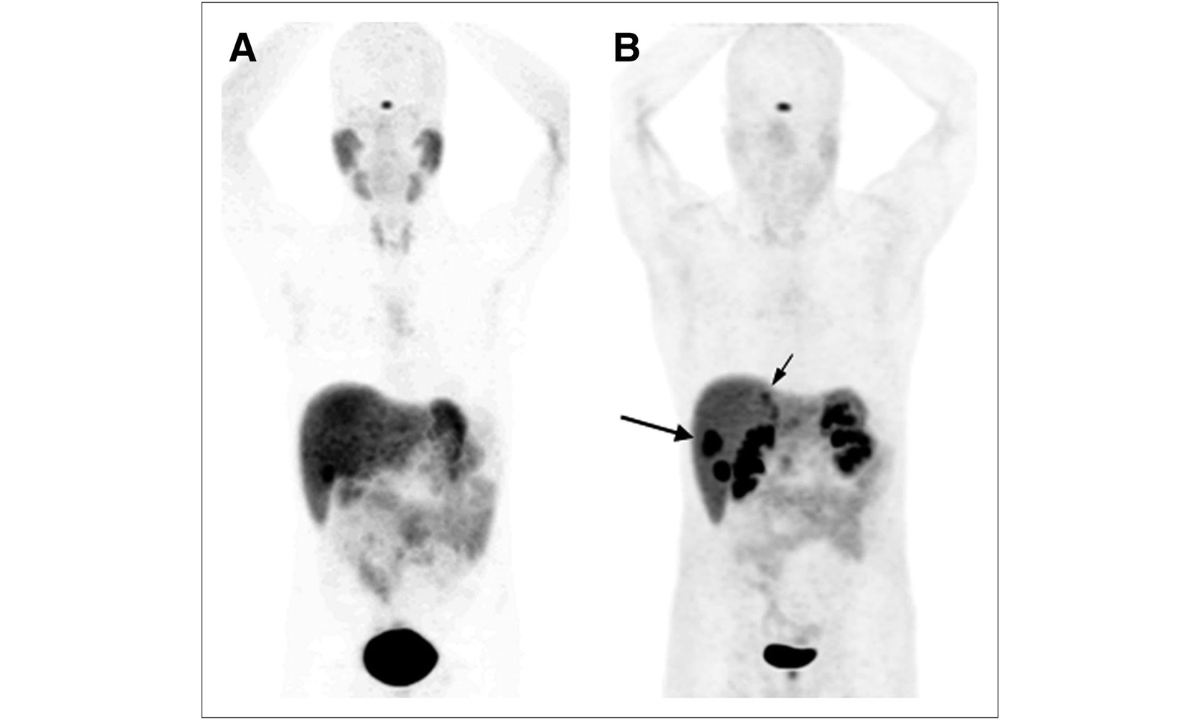
This is where modern diagnostics truly make a difference.
- DOTA PET scan identifies tumors by targeting somatostatin receptors
- DOTANOC PET scan in Bangalore is particularly valuable for staging and detecting small metastases
These scans allow us to see disease activity at a molecular level, which conventional CT or MRI may miss.
Staging and Prognosis
Neuroendocrine tumors pancreas prognosis depends on several factors: Tumor grade (WHO classification)
- Size and location
- Spread to the lymph nodes or liver
- Response to therapy
In my experience, patients diagnosed at an early stage often live many years, sometimes decades, with proper monitoring and treatment.
Treatment Options: A Personalized Approach
Treatment is never the same for two patients. We consider tumor biology, patient age, overall health, and personal preferences.
Surgery
If the tumor is localized, surgery offers the best chance of a cure.
Medical Therapy
- Somatostatin analogues to control hormone symptoms
- Targeted therapies to slow tumor growth
Radionuclide Therapy
For advanced disease, therapies guided by PET imaging can deliver radiation directly to tumor cells while sparing healthy tissue.
Living With Neuroendocrine Tumors
A diagnosis does not mean life stops. Many of my patients continue working, travelling, and enjoying family life. Long-term follow-up with periodic imaging and blood tests is crucial.
I always emphasize mental well-being alongside physical treatment. Support groups, counselling, and patient education make a huge difference.
Final Thoughts
As a doctor at Kiran PET CT, my goal is not just diagnosis but clarity, compassion, and confidence for every patient. Neuroendocrine tumors in the pancreas may be rare, but with modern tools like advanced PET imaging and personalized care, outcomes are better than ever before.
If you or a loved one is exploring advanced diagnostic options, access to accurate imaging, such as a PET scan in Bangalore, can play a life-changing role in early detection, staging, and treatment planning.
FAQs
1. Do I need a referral to get a PET scan at Kiranpet?
Yes, a doctor’s referral is recommended before undergoing a PET scan at Kiranpet. The referral helps our nuclear medicine team understand your medical history, symptoms, and clinical concerns. This ensures that the correct type of PET scan is performed and tailored precisely to your condition. It also helps us provide more accurate and meaningful imaging results.
2. How long does a DOTANOC PET scan take at Kiranpet?
A DOTANOC PET scan typically takes 2–3 hours from start to finish. This includes tracer injection, an uptake period where the tracer circulates in the body, and the imaging process itself. The scan is painless, and our team ensures you remain comfortable throughout the procedure.
3. Will a Kiranpet doctor explain my PET scan results?
Absolutely. At Kiranpet, we believe patients should clearly understand their reports. Our experienced nuclear medicine doctors provide detailed, face-to-face explanations of the scan findings, answer your questions, and help you understand what the results mean for your diagnosis and next steps.
4. Can Kiranpet help with treatment planning after diagnosis?
Yes, we actively support treatment planning after diagnosis. Kiranpet works closely with oncologists, surgeons, endocrinologists, and other specialists to ensure your imaging results are integrated into your overall care plan. This collaborative approach helps guide accurate and personalized treatment decisions.
5. Is emotional counselling available for patients?
We understand that undergoing advanced imaging and cancer evaluation can be emotionally challenging. While Kiranpet primarily focuses on diagnostic services, we guide patients toward appropriate counselling services and support resources whenever needed. Our team ensures compassionate communication and emotional reassurance throughout your visit.