As a doctor at Kiran PET, I frequently see patients struggling with diabetic foot complications, especially infections that don’t respond to treatment or wounds that refuse to heal. Many patients come to us for a PET scan in Bangalore because traditional imaging sometimes fails to detect hidden infections deep within the tissues.
A PET CT scan is one of the most reliable tools for evaluating diabetic foot infections early, accurately and comprehensively, helping us plan timely and effective treatment before complications worsen.
Understanding Diabetic Foot: Why It Happens
A diabetic foot condition develops mainly due to long-term high blood sugar levels, which damage blood vessels and nerves. This leads to poor circulation and reduced sensation in the feet, making injuries more likely and healing more difficult.
Patients often ask about diabetic foot causes, and the most common ones include:
- Peripheral neuropathy (loss of sensation)
- Poor blood flow
- Frequent unnoticed injuries
- Foot deformities
- Long-standing diabetes
- Weak immune response
Because sensation is reduced, many patients do not feel early wounds or infections, allowing them to progress quietly.
Recognizing Diabetic Foot Ulcer Symptoms
The next important concern is identifying diabetic foot ulcer symptoms early. Some common signs include:
- Persistent redness or swelling
- Warmth around the wound
- Drainage or pus
- Foul odor
- Blackened tissue (sign of tissue death)
- Pain, though many diabetic patients may not feel it due to nerve damage
If any of these symptoms appear, early evaluation is essential.
Early Stages of Diabetic Foot Ulcers

During the early stages of diabetic foot ulcers, symptoms may seem mild but dangerous:
- Dry skin or cracks
- Calluses
- Small blisters
- Minor cuts that don’t heal
- Mild redness
At this stage, infections can begin deep inside the tissues without any obvious external signs. This is when PET imaging becomes extremely valuable.
Stages of Diabetic Foot Ulcers and Infection Spread

As the condition progresses, the stages of diabetic foot ulcers become more severe:
- Superficial wounds limited to the skin
- Deep ulcers involving tissues and tendons
- Bone infection (osteomyelitis)
- Gangrene, which may require amputation if untreated
Detecting infection before it reaches deeper tissues is crucial, and a PET CT scan plays an essential role in early diagnosis.
Why PET CT Is Important in Diabetic Foot Evaluation
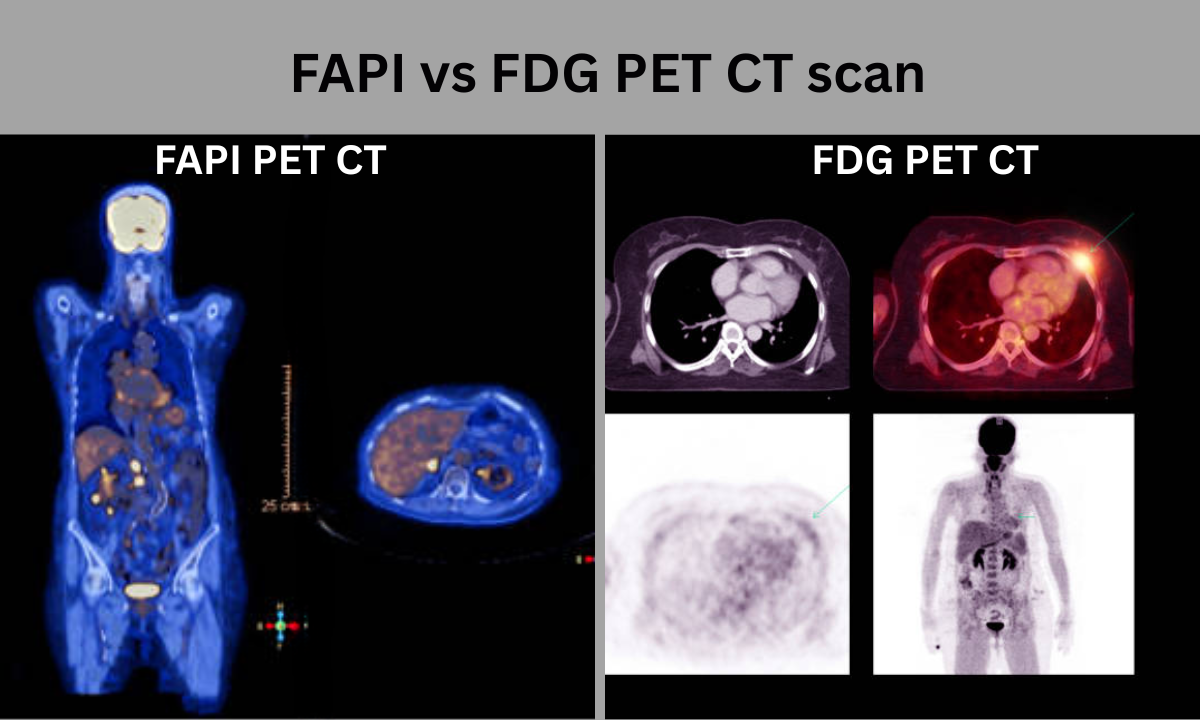
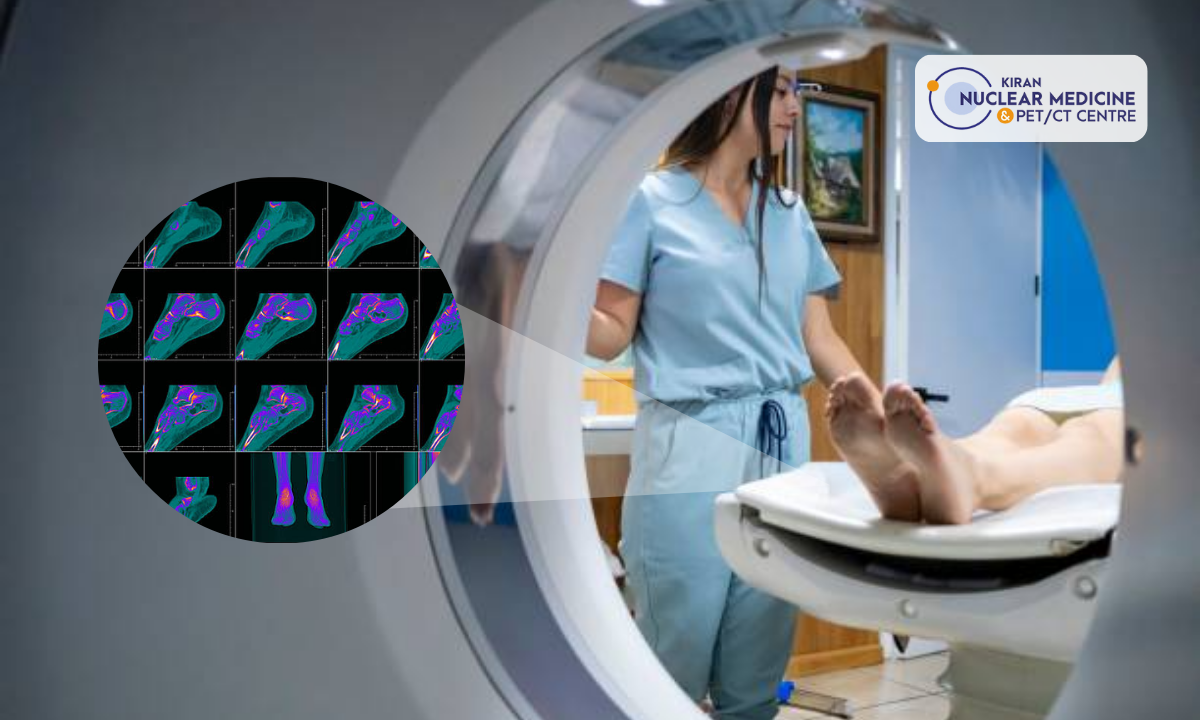
A PET CT scan reveals metabolic activity inside the tissues. In diabetic foot cases, infection and inflammation cause increased uptake of the radiotracer. This helps us identify:
- Exact infection location
- Severity of inflammation
- Involvement of soft tissue
- Presence of bone infection (osteomyelitis)
- Multiple infection sites
- Treatment response
Many infections remain hidden beneath ulcers, and PET CT is one of the few imaging methods that reveals these early.
How PET CT Helps When Other Scans Fail
MRI, X-ray and ultrasound are useful, but they sometimes fail to detect deep or early infections. PET CT is far more sensitive because it highlights abnormal metabolic activity rather than structural changes. This helps detect infection before visible tissue damage occurs.
PET CT Scan In Bangalore: Why Many Diabetic Patients Choose It
With rising diabetic complications, more patients seek a PET CT scan in Bangalore for accurate evaluation. PET CT helps clarify whether a wound is:
- Infected
- Inflammatory
- Healing
- Progressing toward bone involvement
This allows clinicians to decide whether medication, surgery or further interventions are needed.
How PET Imaging Detects Diabetic Foot Infections
PET CT uses a radiotracer similar to glucose. Infected tissues consume more glucose due to high inflammatory activity. This appears as a bright signal on the scan.
PET CT helps detect:
- Infection pockets
- Bone involvement
- Abscess formation
- Inflammation spreads through tissues
This precision helps save limbs by enabling early treatment.
When Should a Diabetic Patient Undergo PET CT?
PET CT is recommended when:
- Wounds do not heal despite treatment
- Symptoms suggest deep infection
- There is doubt about bone involvement
- Multiple areas may be affected
- The patient experiences recurrent infections
- The doctor needs to plan surgery with accuracy
Early intervention reduces complications and amputation risk.
Final Thoughts
Diagnosing diabetic foot infections early is essential for preventing severe complications, including bone infections and amputations. PET CT imaging offers unmatched clarity in identifying infection severity, spread and hidden pockets that other imaging methods may miss.
Whether the patient is showing early symptoms or facing advanced ulcer stages, PET scanning remains a powerful diagnostic aid. With advanced technology available, choosing a PET scan in Bangalore at Kiran PET CT ensures accurate evaluation and timely medical action.
PET CT helps doctors understand the metabolic activity of the inflamed or infected tissues, plan effective treatments and monitor healing progress. In diabetic patients, this precision can make the difference between recovery and long-term complications, making PET CT an invaluable tool in diabetic foot care.
FAQs
1. Is A PET CT scan Painful For Diabetic Foot Patients?
No, a PET CT scan is a painless and non-invasive procedure. You may feel a small needle prick while the radiotracer is injected, but the scan itself is comfortable and safe.
2. How Is A PET CT scan Different From An MRI for Diabetic Foot Infections?
MRI shows detailed structural images, while a PET CT scan detects active infection and inflammation at the metabolic level. This helps identify hidden or early infections even before visible tissue damage occurs.
3. Can PET CT Detect Bone Infection (Osteomyelitis) In Diabetic Foot?
Yes, PET CT is highly effective in detecting bone involvement (osteomyelitis). It helps doctors determine how deeply the infection has spread and plan accurate treatment.
4. Is A PET CT Scan Safe For Diabetic Patients?
Yes, PET CT scans are generally safe for diabetic patients. Blood sugar levels are usually monitored before the scan, and the radiotracer used leaves the body naturally within hours.
5. When Is PET CT Recommended For Diabetic Foot Infection?
PET CT is recommended when wounds do not heal, when infection is suspected deep inside tissues or bones, in recurrent infections, or when doctors need precise imaging before surgery.