
Renal CT Scan in Bangalore
- 100% Accurate Renal CT Scan reports with high image quality, using our latest scan technology
- 5,000+ renal and urological patients served with utmost care
- Clean and sanitized premises
- Low wait time, well-trained staff with the best team of doctors
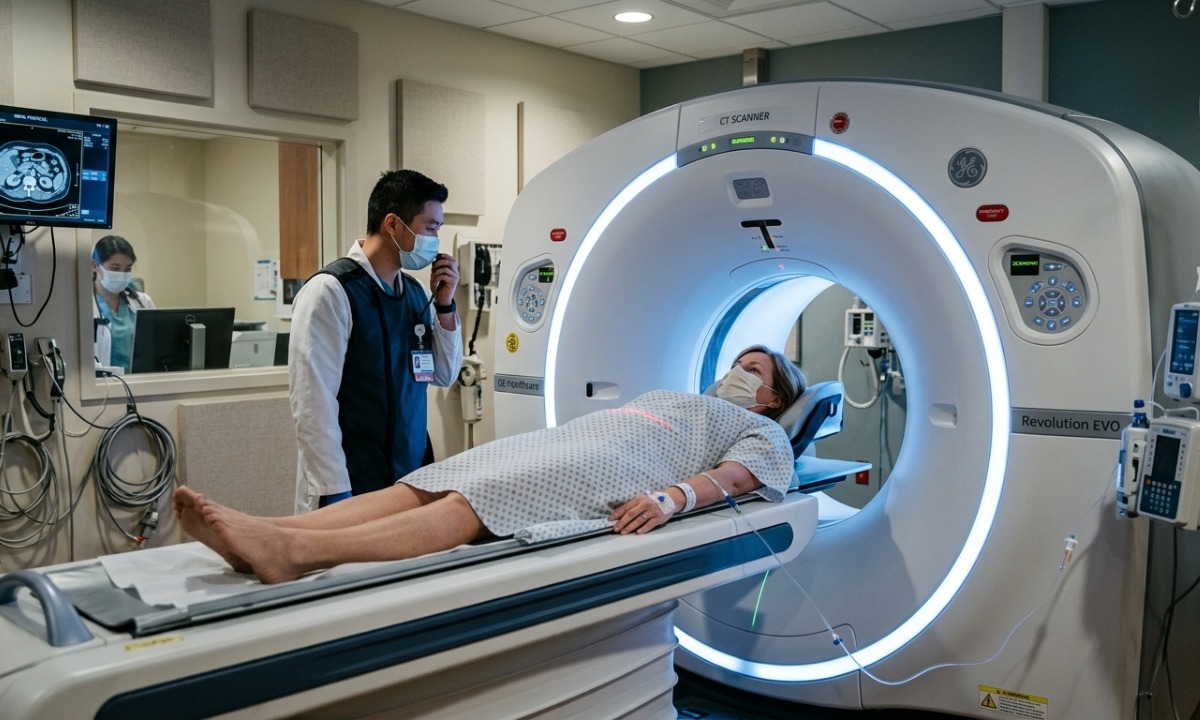
What is a Renal CT Scan?
A Renal CT Scan also known as a CT Kidney Scan or CT KUB (Kidneys, Ureters, Bladder) is a specialised, non-invasive imaging procedure that uses X-ray technology and a computer to produce detailed cross-sectional images of the kidneys and the surrounding urinary structures. A CT Scan in Bangalore is widely used for diagnosing kidney disorders, evaluating urinary tract conditions, detecting tumours, and planning effective treatment strategies.
Unlike a standard X-ray or ultrasound, a Renal CT Scan captures thin, layered slices of the kidney from multiple angles, giving doctors a precise three-dimensional view of the organ’s size, shape, position, and internal architecture. The scan can be performed with or without an intravenous contrast dye (iodinated contrast agent), depending on what your doctor needs to evaluate.
Why a Renal CT Scan is Recommended
A Renal CT Scan is a versatile diagnostic tool recommended for a wide range of clinical conditions. Since the CT scan captures multi-directional X-ray images to produce the internal structure of the kidneys and urinary tract, it helps our doctors uncover a number of conditions with precision.
-
Kidney Stone Detection:
A CT KUB is the gold standard for detecting kidney stones, ureteral stones, and bladder stones revealing their exact size, location, and number to help the urologist plan the most effective treatment.
- Kidney Tumour and Cancer Diagnosis: Renal CT scans detect and characterise renal masses including renal cell carcinoma. A contrast-enhanced or triphasic CT accurately differentiates benign cysts from malignant tumours, guiding biopsy decisions and surgical planning with confidence.
- Cancer Staging and Spread Assessment Once a kidney tumour is identified, a Renal CT Scan determines how far cancer has spread to lymph nodes, renal vein, or distant organs making it essential for accurate staging and treatment planning.
- Evaluation of Kidney Infections: Complicated UTIs, acute pyelonephritis, perinephric abscesses, and renal cortical infections are accurately assessed through CT imaging especially when patients fail to respond to standard antibiotic treatment and a deeper evaluation is needed.
- Assessment of Structural Abnormalities:Conditions like polycystic kidney disease, horseshoe kidney, duplicated collecting systems, medullary sponge kidney, and other congenital urinary tract anomalies are clearly visualised and evaluated with precision using a Renal CT Scan.
-
Hydronephrosis and Obstruction:
CT scanning identifies the exact site and cause of urinary tract obstruction whether from stones, tumours, strictures, or external compression that causes the kidney to swell, known as hydronephrosis.
-
Post-Trauma Evaluation:
Following accidents or blunt abdominal trauma, a Renal CT Scan quickly assesses kidney injury, laceration, haematoma, or vascular damage providing critical information needed for immediate and effective emergency care decisions.
- Monitoring Chronic Kidney Conditions: Patients with known kidney disease, recurring cysts, or treated kidney cancer undergo periodic CT scans to track disease progression, monitor treatment response, and detect early signs of recurrence before symptoms develop.
-
Renal Vascular Evaluation:
CT angiography of the renal arteries and veins diagnoses renal artery stenosis, aneurysms, arteriovenous malformations, and renal vein thrombosis especially important when investigating secondary hypertension linked to vascular abnormalities.
Types of Renal CT Scans at Kiran PET CT
The most frequently performed renal CT, done without contrast dye. It is the gold-standard investigation for detecting kidney stones, ureteral calculi, and bladder stones. Quick, painless, and highly accurate, this scan is typically the first investigation recommended for patients presenting with flank pain or suspected renal colic.
Uses intravenous contrast to highlight tissue perfusion and blood flow through the kidneys. It is ideal for diagnosing kidney infections, complex cysts, renal abscesses, tumours, and vascular abnormalities. The contrast dye allows our radiologists to clearly differentiate between benign and suspicious lesions.
A three-phase scan non-contrast, arterial phase, and venous phase that captures the kidney at different stages of contrast enhancement. This is the preferred scan for characterising renal cell carcinoma, evaluating complex renal masses, and planning surgical intervention. It provides the highest level of detail for tumour analysis.
A comprehensive scan that evaluates the entire urinary system kidneys, ureters, and bladder in a single examination. It is recommended for patients presenting with blood in the urine (haematuria), suspected urothelial tumours, or recurrent urinary tract infections where a complete tract evaluation is needed.
Specifically designed to image the renal arteries and veins. It is used for diagnosing renal artery stenosis, planning living donor kidney evaluations, assessing renovascular hypertension, or investigating suspected vascular malformations or aneurysms.
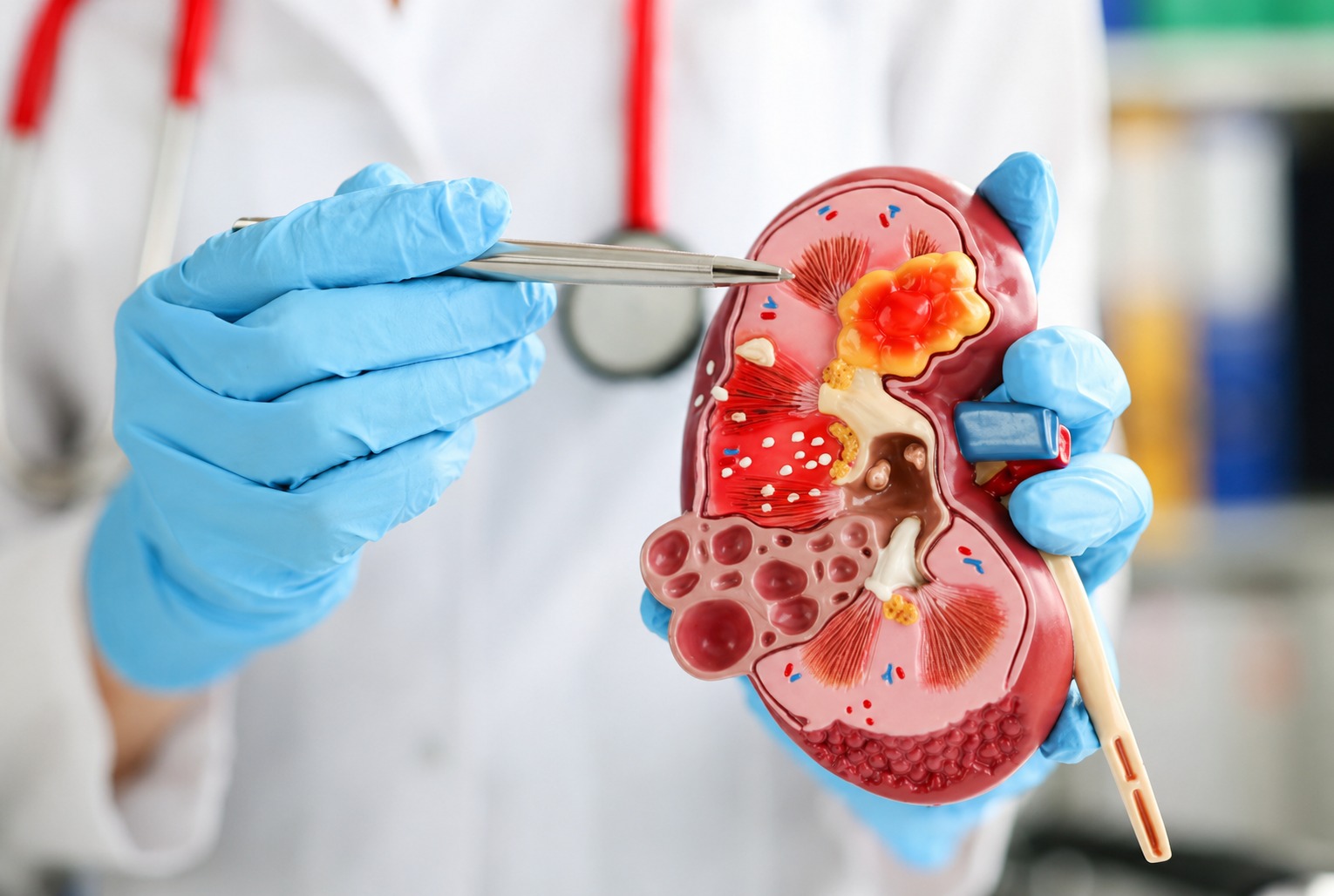
What to Expect During a Renal CT Scan
- You will be asked to lie flat on the CT scan table, which slowly moves through the scanner
- If a contrast dye is required, a small cannula will be placed in your arm vein for the injection you may feel a brief warm sensation or a mild metallic taste, which is completely normal and passes quickly
- You will be asked to hold your breath for a few seconds at certain points during the scan to ensure sharp, motion-free images
- The scan itself is entirely painless and takes approximately 5 to 15 minutes
- After the scan, if contrast was used, you will rest briefly while our team monitors you; you are then free to resume normal activity
- If contrast dye was administered, drinking extra fluids throughout the rest of the day helps flush it from your system
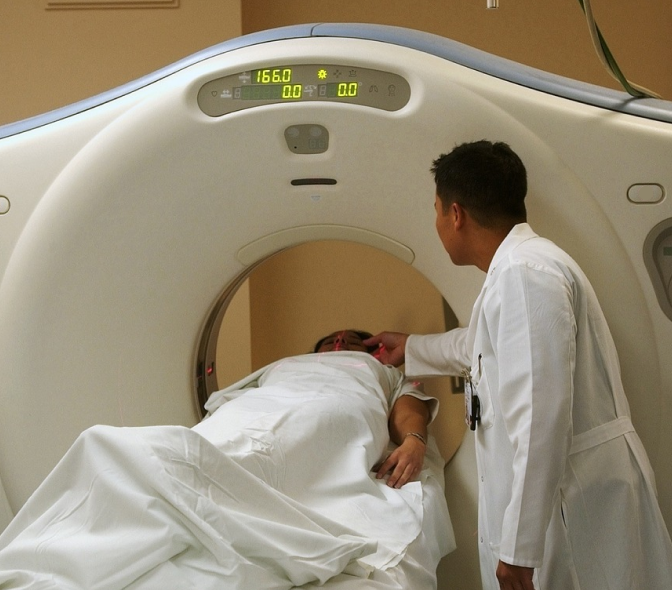
What Kind of Preparation is Needed for a Renal CT Scan?
Fasting :
If your scan requires contrast dye, you will be asked to fast for 4-6 hours before the procedure. For a plain CT KUB without contrast, fasting is generally not required your referring doctor will clarify this when issuing the referral.
Kidney Function Test:
For contrast-enhanced scans, a serum creatinine blood test may be requested beforehand to confirm that your kidneys can safely process and clear the contrast agent. Patients with pre-existing kidney disease require special protocols.
Medications:
Inform the team about all medications you are taking particularly metformin (used for diabetes), NSAIDs, or blood thinners. Some medications may need to be paused for 48 hours before and after a contrast scan.
Hydration:
Drinking plenty of water before and after the scan supports your kidneys in processing any contrast dye and improves the overall quality of the images. Unless specifically instructed otherwise, stay well hydrated.
Allergies:
Inform our team of any known allergies, particularly to iodine, seafood, or previous contrast dye reactions. Pre-medication (antihistamines or steroids) may be administered as a precaution to reduce allergy risk.
Diabetic Patients:
Blood sugar levels should be in an acceptable range before the scan, especially for contrast studies. Bring your glucose monitoring records and inform the technician.
Clothing and Accessories:
Wear comfortable, loose-fitting clothing on the day of the scan. Remove all metal jewellery, accessories, and piercings before entering the scan room, as metal interferes with imaging.
Pregnancy:
Inform our team immediately if you are or could be pregnant. Special precautions will be taken to minimise radiation exposure, and alternative imaging may be considered.
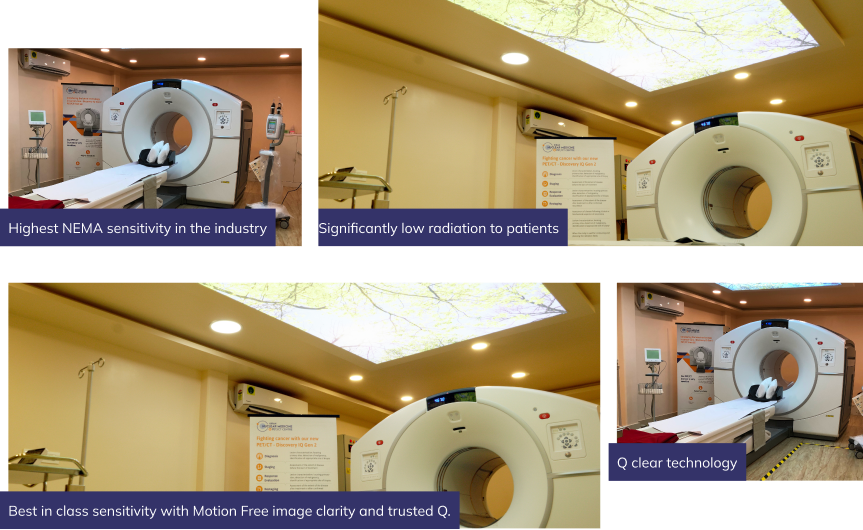
The Next Generation Technology is Here at Kiran PET CT GE Discovery IQ Gen 2
Discovery IQ Gen 2 is the smartest choice for ensuring better outcomes through true discovery. At Kiran PET CT, our renal imaging is performed on the latest generation multi slice CT systems, delivering razor sharp cross-sectional images of the kidneys at the lowest possible radiation dose. Our equipment is regularly calibrated and maintained to international standards, ensuring that every scan we produce is diagnostically reliable and of the highest image quality.
Why Choose Us for Renal CT Scan in Bangalore
At Kiran Nuclear Medicine and PET CT Centre, we assure you of safe detection with accurate and reliable results. We won’t keep you waiting for results for a long period of time since we deliver on time. Apart from timely delivery, we make sure that when you visit our clinic, you get the best cordial service from our staff, a clean environment with optimum hygiene measures. In the healthcare diagnostic industry, we are known for:
Speedy and Accurate Results
Our Renal CT Scans are interpreted by experienced radiologists and delivered promptly, so your treatment plan is never delayed. Accurate reports, on time always.

Cutting-Edge Technical Instruments
We invest in the latest multi-slice CT technology to ensure detailed, artefact-free imaging of the kidneys, ureters, and bladder. Our team of skilled technologists ensures every scan is acquired at the highest standard.

World Class Technology
Experience the latest advancements in medical imaging with our state-of-the-art CT equipment. Our facility uses internationally certified scanning systems, ensuring diagnostic quality that meets global standards.
One-Stop Lab Centre
From plain CT KUB and contrast-enhanced CT to nuclear renal scans (DTPA, EC, DMSA) and PET CT everything is available under one roof at Kiran PET CT. Streamline your healthcare journey with our comprehensive diagnostic services.
Meet Our Doctors




Frequently asked questions
A Renal CT Scan is a specialised X-ray-based imaging test that produces detailed cross sectional images of the kidneys, ureters, and bladder. It is used to detect kidney stones, tumours, infections, cysts, structural abnormalities, and vascular problems with high accuracy.
An ultrasound is a good first-line tool for basic kidney assessment, but a CT scan provides far greater anatomical detail especially for stones, complex cysts, tumours, and blood vessels. An MRI is excellent for soft tissue evaluation but takes longer and is not suitable for all patients. CT is the preferred imaging method when detailed structural information is needed quickly and accurately.
The most common reasons include suspected kidney stones, blood in the urine (haematuria), recurrent urinary tract infections, a kidney mass or tumour found on ultrasound, post-trauma kidney evaluation, monitoring of chronic kidney disease, or pre-surgical planning for urological procedures.
Yes, it is generally safe. The radiation dose from a modern CT scanner is low and well within acceptable diagnostic limits. Contrast dye is well tolerated by most patients; however, those with kidney disease or known iodine allergy require special precautions, which our team will discuss with you before the scan.
Preparation depends on the type of scan. For a plain CT KUB, minimal preparation is needed. For a contrast enhanced CT, fasting for 4 to6 hours is required, along with a prior creatinine blood test. Inform the team about your medications, allergies, and medical history before the scan.
You will lie on a comfortable scanner table that moves through the CT machine. If contrast is used, a small injection will be given through a vein. The scan is painless, takes 5 to15 minutes, and you can return to your normal routine immediately after.
Reports are typically ready within 24 hours. Our radiologists ensure timely delivery so your referring doctor can plan your treatment without unnecessary delay.
Our Location
Visit our centre for Renal CT scan. Our centre is conveniently located in Bangalore, offering advanced diagnostic technology, expert care, and easy accessibility for patients across the city.
Book your appointment today and get accurate imaging support from experienced specialists.