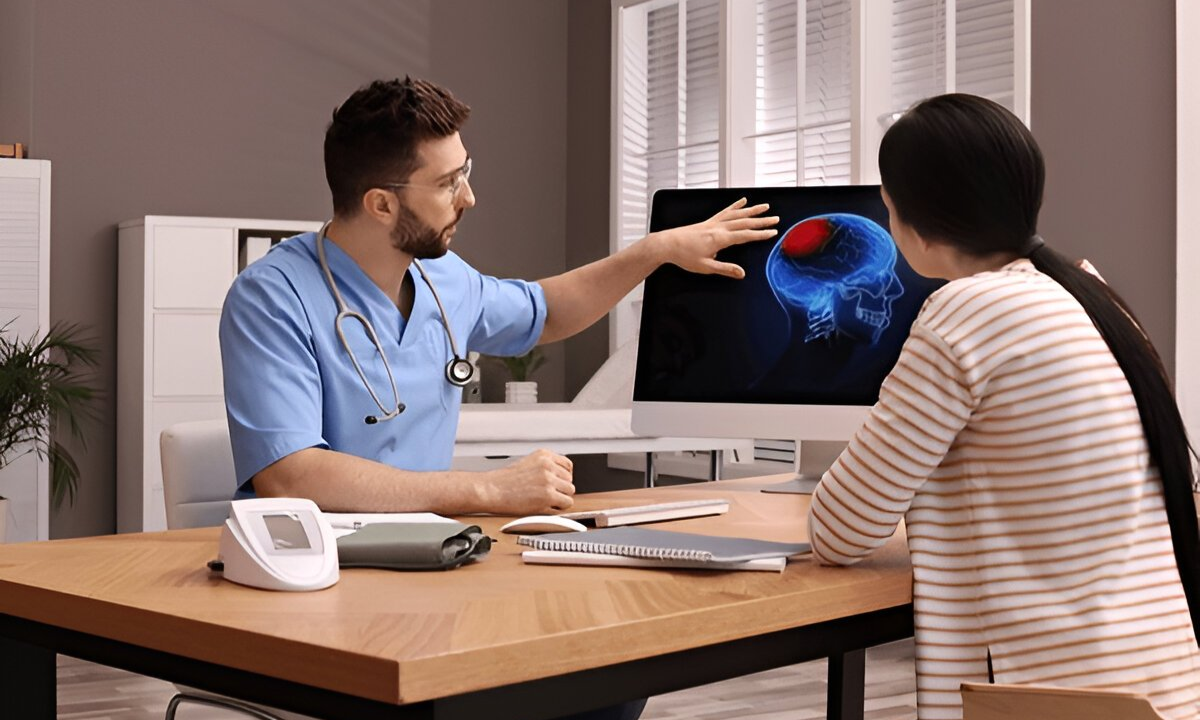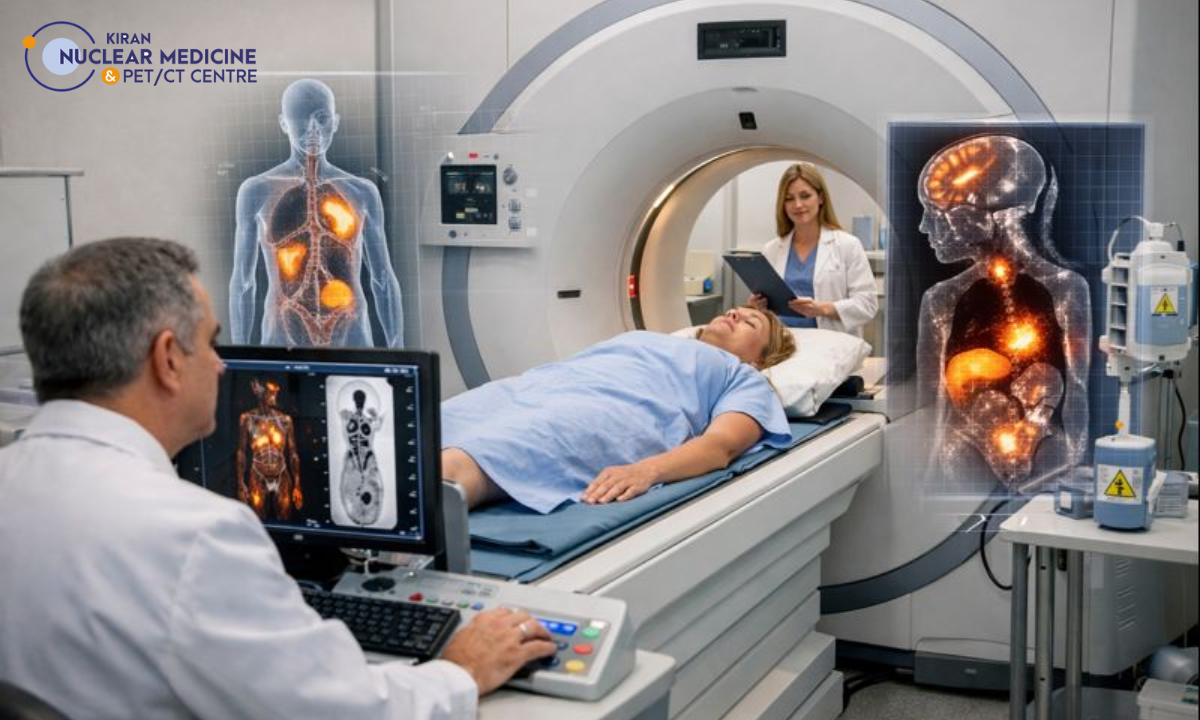
Working as a Doctor at Kiran PET, I see that a lot of patients and families are scared, puzzled, and lost after being bombarded with unfamiliar medical terms when a cancer diagnosis is made.
For example, one such medical term that causes a lot of questions is the DOTANOC PET Scan. This guide is a result of my personal clinical experience, and it is meant to help you understand in a very simple way why this scan is so important, particularly when it comes to Neuroendocrine Tumors, and how it can really change the treatment plan.
Neuroendocrine Tumors in Clinical Practice
Neuroendocrine Tumors (NETs) represent a kind of cancer that is different and frequently not well understood. They develop from neuroendocrine cells, which are cells that have characteristics of both nerve cells and hormone-producing cells.
It is my everyday observation that NETs partly or mostly involve the pancreas, lungs, gastrointestinal tract, and, on rare occasions, even more interesting and unexpected sites. What distinguishes these tumors from others is that they are very slow in their development. Probably several patients suffer from symptoms such as abdominal pain, flushing, and unexplained weight loss, which are mistaken for a multitude of other ailments, for many years before the diagnosis is confirmed by the right test.
This is the reason why advanced imaging, especially a DOTANOC PET Scan, can be really instrumental and decisive in pinpointing cancer in light of the accurate diagnosis, i.e., the determination of the tumor type.
Definition of a DOTANOC PET Scan
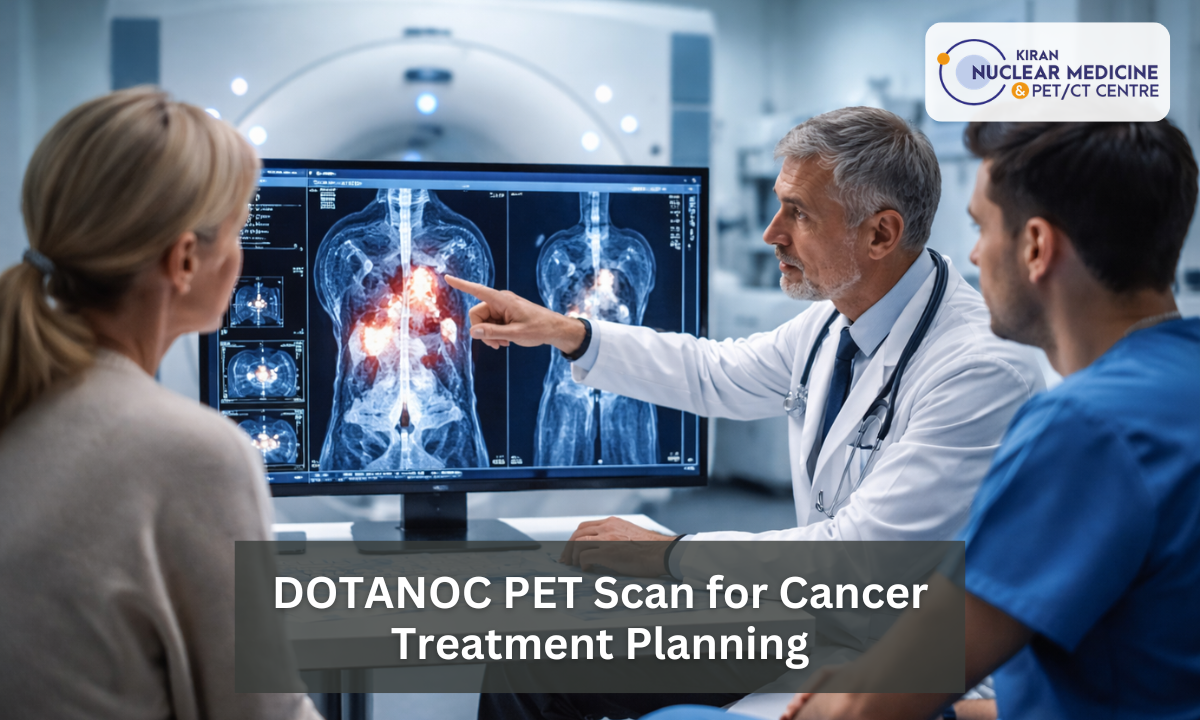
A DOTANOC PET Scan is a very precise nuclear imaging method that has been made to detect only Neuroendocrine Tumors.
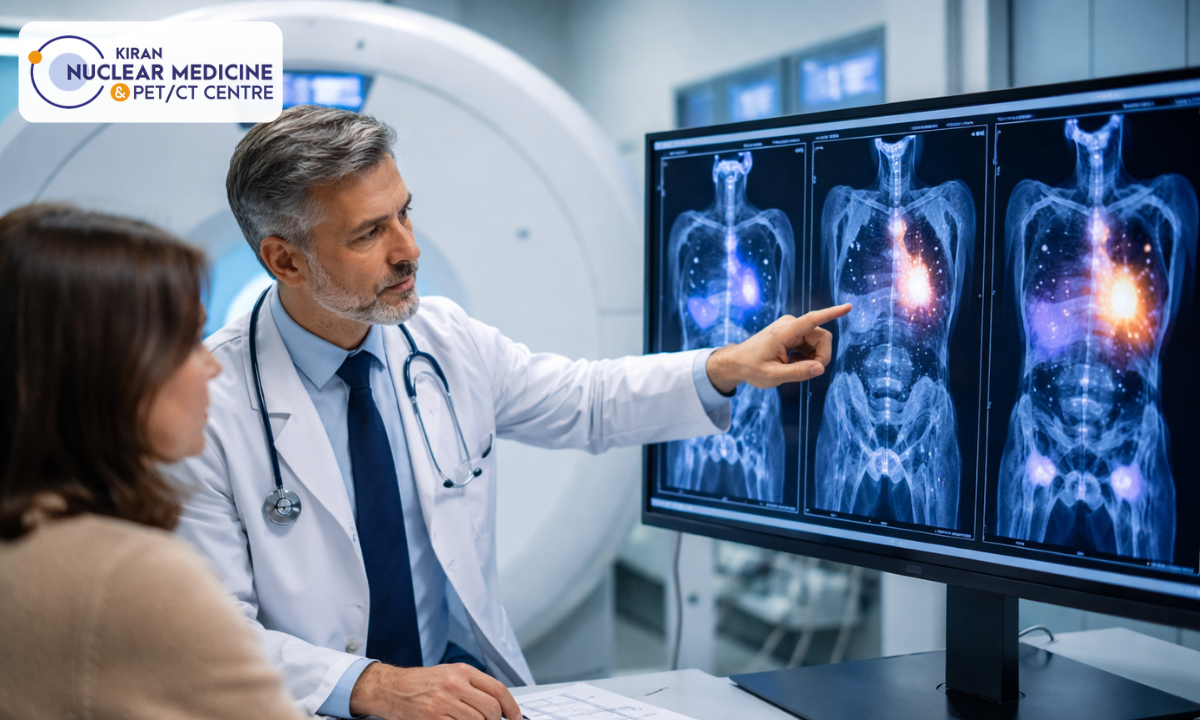
From a doctor’s point of view, what makes this scan remarkable is its ability to bind to somatostatin receptors, which are commonly overexpressed on NET cells. The radiotracer highlights even very small tumor deposits, helping us see disease that would otherwise remain hidden.
Why DOTANOC PET Scan Is an Important Tool in Cancer Diagnosis
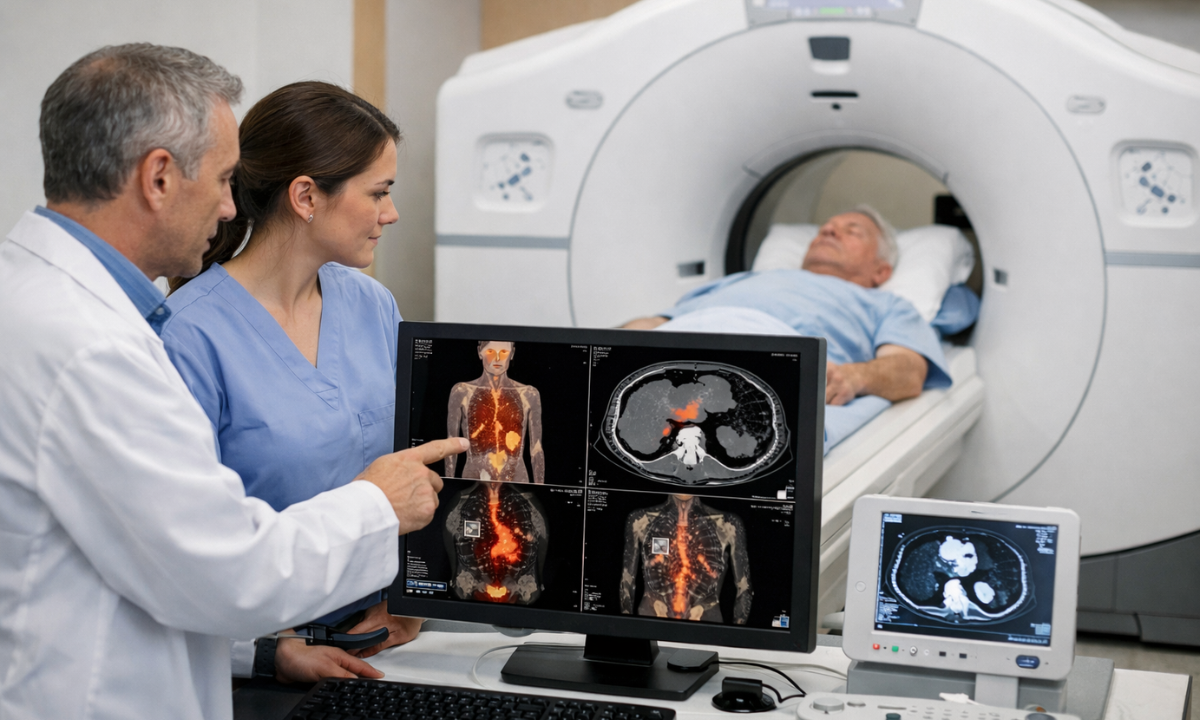
For a number of my patients, CT or MRI scans typically show no abnormality, yet some symptoms persist. It is often the DOTANOC PET Scan that changes the situation entirely. With its help, we can:
- Verify the existence of Neuroendocrine Tumors
- Locate the primary tumor very precisely
- Reveal the occurrence of cancer in the lymph nodes, liver, or bones
- Determine whether targeted therapies are the right choice
The level of accuracy achieved here is simply outstanding, as it not only empowers doctors with a clear path forward but also gives patients peace of mind.
DOTANOC PET/CT Scan in Bangalore: Essential Info for Patients
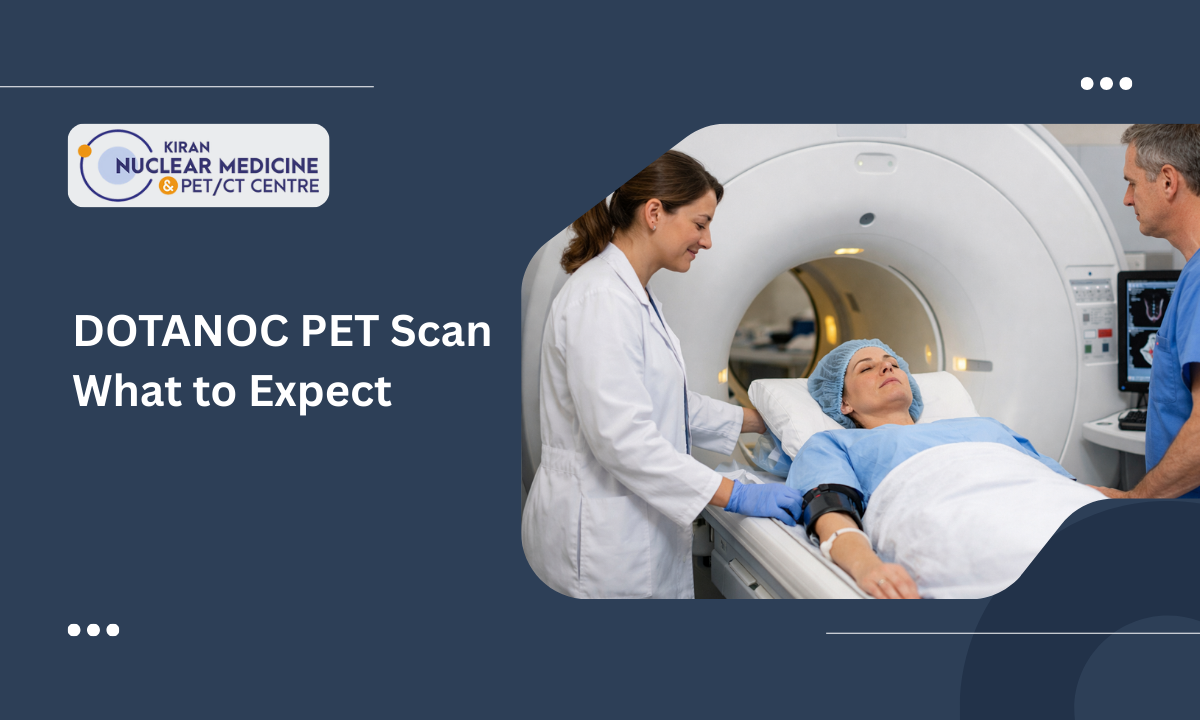
Most of the time, by the time patients reach us for a DOTANOC PET/CT Scan in Bangalore, their main concern is the procedure itself. I want to calm you down by saying it is a very safe procedure, the patient usually tolerates it well, and the whole affair is typically over in just a few hours. First, you will be given a small dose of the tracer by injection, then you will have to wait for a little while. The scan is completely painless.
From a doctor’s point of view, I am grateful that such an investigation can do away with several inconclusive tests and thus cut diagnostic delays. Being in a city like Bangalore, which is a medical hub, means that patients have access to advanced imaging technology and the most knowledgeable specialists, which is an advantage in itself for better health outcomes.
Role of DOTANOC PET Scan in Treatment Planning
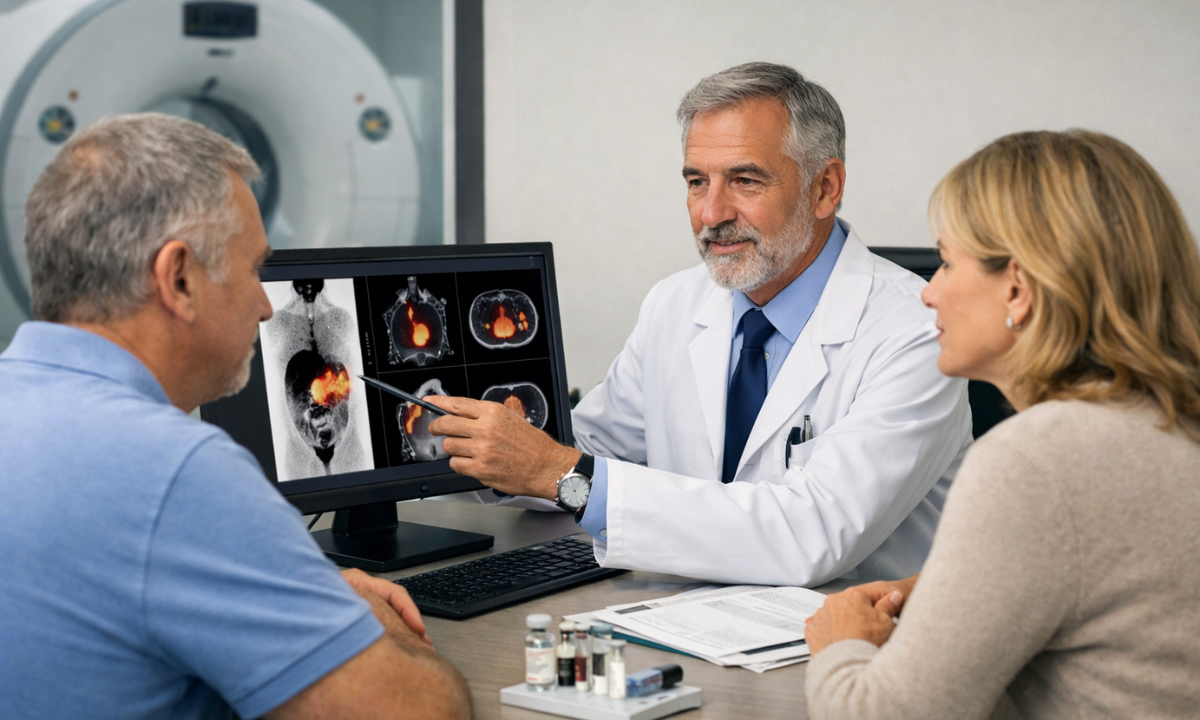
One of the major benefits of this scan is that it significantly boosts our confidence level while deciding on treatments. For instance, if cancer is found to be confined to one area, surgery can be considered. On the other hand, if it has metastasized, signaling the use of somatostatin analogues, peptide receptor radionuclide therapy (PRRT) or systemic therapies can be made very accurate.
Moreover, I have observed that patients tend to be less anxious when the doctor explains the rationale behind a chosen treatment, and the DOTA PET Scan really helps to achieve that transparency.
Emotional Side of Undergoing Advanced Imaging
In fact, besides the technical aspects, I want to highlight the emotional side. Waiting for test results is often nerve wracking. I always try to personally deliver scan results to patients, answer any queries they may have, and give them a role in decision-making.
At Kiran PET, we believe in not merely conducting scans but also in helping patients cope with a hard period of their lives through empathy and clinical transparency.
Final Thoughts
From my perspective as a doctor, the DOTANOC PET Scan has transformed how we diagnose and manage Neuroendocrine Tumors. It bridges the gap between symptoms and certainty, allowing for personalized, evidence-based care.
For patients searching for a reliable PET scan centre in Bangalore, choosing a facility with experience in NET imaging is critical. As diagnostic medicine continues to evolve, access to advanced options like a PET scan in Bangalore ensures that patients receive timely and accurate care, which ultimately saves lives.
Frequently Asked Questions (FAQs)
1. What is a DOTANOC PET Scan used for at KiranPET?
At Kiran PET, we primarily use the DOTANOC PET Scan to detect, stage, and monitor Neuroendocrine Tumors. It helps us provide precise diagnoses and tailor treatment plans.
2. Is the DOTANOC PET Scan safe?
Yes. The radiation exposure is minimal and well within international safety limits. In my clinical practice, complications are extremely rare.
3. Do I need any special preparation before the scan?
Usually, minimal preparation is required. We provide clear instructions before your appointment to ensure accurate results.
4. How long does the DOTANOC PET Scan take?
The entire process typically takes 2–3 hours, including tracer uptake time. The scan itself is quick and painless.
5. When will I receive my results at KiranPET?
Reports are usually available on the same day or within 24 hours. I personally review complex cases to ensure accuracy and clarity.
6. Why should I choose KiranPET for a DOTANOC PET Scan?
Because we combine advanced imaging technology with clinical expertise and compassionate care, ensuring that every patient feels informed, respected, and supported.