
Radioactive Iodine Therapy in Bangalore for Thyroid Cancer and Hyperthyroidism
Kiran Nuclear Medicine and PET CT Centre offers radioactive iodine therapy in Bangalore for thyroid cancer and hyperthyroidism. Our nuclear medicine specialists plan each I-131 treatment around your diagnosis, scan results and overall health, with imaging and treatment managed by one team.
Home » Radioiodine Therapy
- Integrated theranostics care: diagnostic imaging and RAI therapy planned by one specialist team
- Dedicated nuclear medicine and PET-CT facilities
- Clean, comfortable private isolation rooms, sanitised regularly
- Led by nuclear medicine specialists trained at PGIMER and JIPMER
What is Radioactive Iodine Therapy?
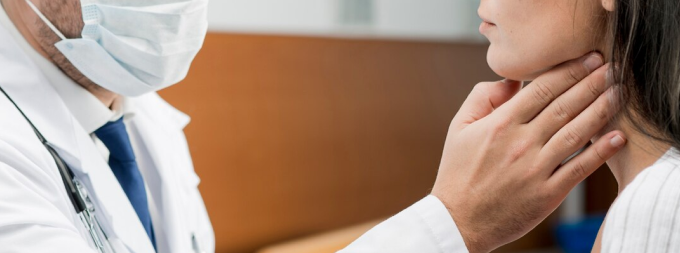
Radioactive iodine therapy, also known as RAI therapy or I-131 therapy, is a nuclear medicine treatment that uses Iodine-131 to treat thyroid conditions. Because thyroid cells naturally absorb iodine, the treatment delivers radiation to thyroid tissue while limiting exposure to the rest of the body.
It is mainly used to treat:
Hyperthyroidism: an overactive thyroid gland producing excess thyroid hormone
Differentiated thyroid cancer: including papillary and follicular thyroid cancer
Conditions Treated with RAI Therapy
RAI therapy may be used for the following thyroid conditions:
- Graves’ disease: the most common cause of hyperthyroidism. Radioactive iodine for Graves’ disease reduces overactive thyroid tissue to bring hormone levels under control.
- Toxic nodular goitre and toxic adenoma: overactive thyroid nodules that produce excess hormone.
- Thyroid remnant ablation: after thyroid cancer surgery, radioiodine ablation treats any remaining normal thyroid tissue, making follow-up monitoring more accurate.
- Adjuvant treatment for thyroid cancer: RAI therapy may reduce the risk of recurrence in selected higher-risk patients after surgery.
- Recurrent or metastatic thyroid cancer: treats iodine-avid cancer that has returned or spread to the lymph nodes, lungs or bones, helping control the disease and relieve symptoms.
How Does I-131 Therapy Work?
- Oral dose: I-131 is given as a small capsule or liquid that you swallow.
- Thyroid uptake: The radioactive iodine is absorbed into the bloodstream and taken up by thyroid cells, including iodine-absorbing thyroid cancer cells.
- Targeted radiation: I-131 emits beta radiation that travels only a short distance, damaging the thyroid cells that have absorbed it.
- Limited exposure elsewhere: Because thyroid tissue absorbs iodine selectively, most other tissues receive comparatively little radiation. Iodine not taken up by the thyroid leaves the body mainly through urine over the following days.
Radioactive Iodine Treatment for Hyperthyroidism
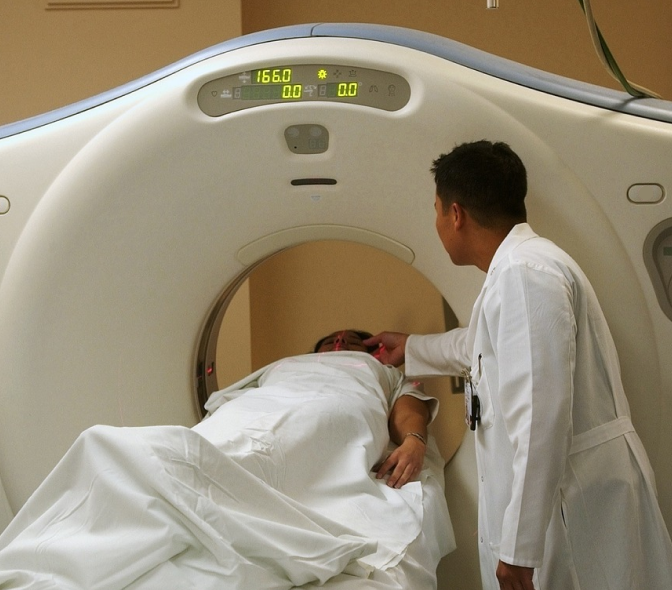
Radioactive iodine treatment for hyperthyroidism is a well-established option for Graves’ disease, toxic nodular goitre and toxic adenoma, particularly when anti-thyroid medicines have not worked well or are not suitable.
- Treatment uses a lower dose of I-131
- Thyroid hormone levels typically begin to improve over several weeks to a few months
- Many patients need only one dose, though some may need a second treatment
- Many patients eventually develop an underactive thyroid (hypothyroidism), which is managed with a daily thyroid hormone tablet
Radioiodine Therapy for Thyroid Cancer
Radioiodine therapy for thyroid cancer is used after surgery (total or near-total thyroidectomy) in suitable patients with differentiated thyroid cancer. Depending on your risk assessment, I-131 treatment for thyroid cancer may be used for radioiodine ablation, adjuvant treatment or treatment of recurrent or metastatic disease.
- Treatment uses a higher dose of I-131 and requires a short stay in an isolation room
- A post-therapy whole-body scan is usually performed a few days later to show where the radioactive iodine has been absorbed
- Follow-up blood tests (thyroglobulin) and scans help monitor for recurrence
Radioactive Iodine Therapy Cost in Bangalore
Treatment | Indicative price | Typical use |
Low Dose Radioiodine Therapy | ₹20,000 | Selected hyperthyroidism treatment |
High Dose RAI, Level 1 | ₹65,000 | [Confirm dose band and indication] |
High Dose RAI, Level 2 | ₹75,000 | [Confirm dose band and indication] |
High Dose RAI, Level 3 | ₹90,000 | [Confirm dose band and indication] |
High Dose RAI, Level 4 | ₹1,00,000 | [Confirm dose band and indication] |
Prices include: [confirm: isolation stay, post-therapy whole-body scan, blood tests, specialist reporting]
The final cost depends on your condition, the dose prescribed and any additional tests or scans required. Our team confirms your treatment plan and cost after reviewing your reports.
How to Prepare for RAI Therapy
RAI therapy preparation is personalised by our team and commonly includes:
- Low-iodine diet before RAI therapy: usually for one to two weeks before treatment, avoiding foods such as iodised salt, seafood, seaweed and some dairy products
- Raising TSH (thyroid cancer patients): either by temporarily stopping thyroid hormone tablets or by recombinant TSH injections, as advised by your doctor
- Medicines: anti-thyroid medicines and some other medicines may need to be stopped for a few days beforehand. Tell the team about all medicines and supplements you take.
- Iodine contrast: inform the team if you have had a CT scan with iodine contrast in recent weeks, as this can reduce the effectiveness of treatment
- Records: bring your surgery, pathology, blood test and scan reports
Pregnancy and contraception: I-131 therapy must not be given during pregnancy, as it can harm an unborn baby. Pregnancy is ruled out before treatment. People who could become pregnant should avoid pregnancy for at least six months after treatment. Male patients are usually advised to avoid fathering a child for at least four to six months after treatment. Use the contraception plan advised by your treating team.
Breastfeeding: if you are breastfeeding, tell the team before booking. Breastfeeding must be stopped before treatment, often several weeks in advance depending on the treatment plan, and may not be resumed after I-131 therapy. The team will advise you based on your situation.
What to Expect During Radioactive Iodine Therapy
On the day of treatment: you swallow the I-131 capsule or liquid, usually after a few hours of fasting.
Hyperthyroidism treatment: depending on the prescribed dose and radiation safety assessment, many patients go home the same day or after a short observation period. The team will confirm discharge arrangements before treatment.
Thyroid cancer treatment: you stay in a private isolation room, usually for two to three days, until radiation levels meet the criteria for safe discharge. Drinking plenty of fluids and passing urine frequently helps clear the radioactive iodine.
After discharge: follow the personalised radiation safety instructions provided by the team. These may include limiting prolonged close contact with pregnant women and young children, sleeping separately and following toilet hygiene measures for a short period.
Radioactive Iodine Therapy Side Effects and Safety
Radioactive iodine therapy has been used for decades and is a well-established treatment when appropriately selected and delivered. Possible side effects include:
- Neck tenderness or swelling for a few days
- Nausea, a dry mouth or temporary changes in taste
- Swelling or discomfort of the salivary glands
- Underactive thyroid after hyperthyroidism treatment, managed with daily thyroid hormone tablets
- Worsening of thyroid eye disease in some Graves’ disease patients, particularly smokers, which your doctor may help prevent with medication
- Rarely, longer-term salivary gland or dry eye problems, or other effects associated with high cumulative doses
Your specialist will explain the risks and benefits of RAI therapy that apply to your situation before treatment.
Follow-up Care After RAI Therapy
RAI therapy follow-up is tailored to your condition:
- Hyperthyroidism: thyroid function blood tests every few weeks to months until hormone levels are stable
- Thyroid cancer: a post-therapy whole-body scan, followed by thyroglobulin tests, neck ultrasound and further scans as advised
- Thyroid hormone replacement is adjusted to keep your levels in the right range
- Ongoing review by our nuclear medicine specialists, coordinated with your endocrinologist or surgeon
PET-CT for Thyroid Cancer: GE Discovery IQ Gen 2
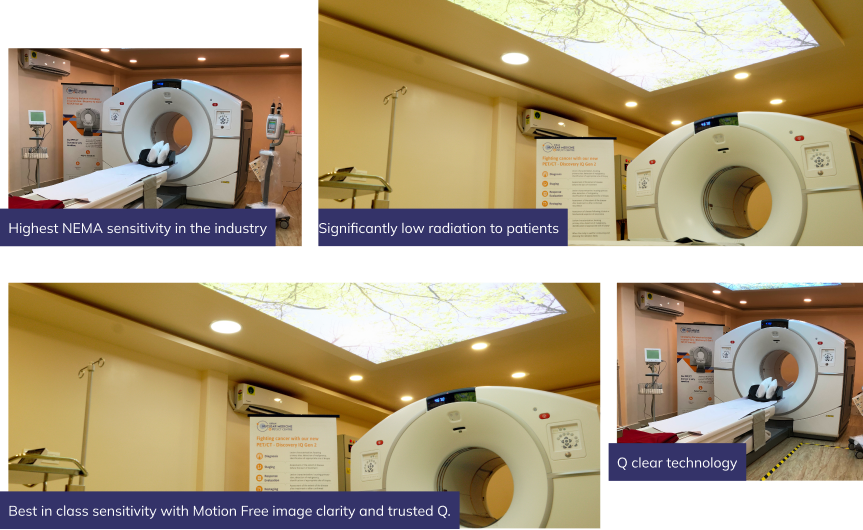
Kiran PET CT uses the GE Discovery IQ Gen 2 PET-CT system for detailed molecular imaging. PET-CT may be used in selected patients with iodine-non-avid or progressive thyroid cancer, supporting more complete follow-up alongside I-131 therapy.
Theranostics for Thyroid Conditions
Radioactive iodine is one of the earliest examples of theranostics: the same element is used to image thyroid tissue and to treat it. At Kiran PET CT, diagnostic imaging and RAI therapy are planned together by one specialist team, so treatment decisions are guided by your own scan results.
Why Choose Kiran PET CT for RAI Therapy?
Discover the future of healthcare at Kiran Nuclear Medicine and PET CT Center. Our pioneering theranostics approach not only diagnoses but also tailors treatment plans specific to your needs, ensuring precise and effective care. Experience the power of personalized medicine with us.
Integrated theranostics
We provide an integrated pathway combining nuclear medicine imaging with targeted I-131 therapy, so one team manages your diagnosis, treatment and follow-up.
Precision planning
Every RAI therapy dose is planned around your condition, scan results and risk assessment.
Personalised medicine
Your nuclear medicine thyroid treatment in Bangalore is tailored to your medical history, preferences and treatment goals.
Private isolation rooms
Clean, comfortable and regularly sanitised rooms for a calm stay during high dose treatment.
Published pricing
Indicative costs are listed upfront, with a confirmed estimate after consultation.
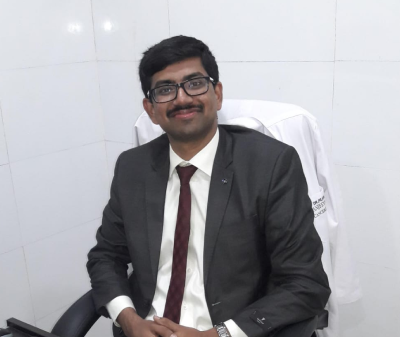
Meet Our RAI Therapy Specialists



Frequently Asked Questions About Radioactive Iodine Therapy
Radioactive iodine therapy is a nuclear medicine treatment that uses Iodine-131 to treat hyperthyroidism and differentiated thyroid cancer. Thyroid cells absorb the iodine, allowing radiation to be delivered to thyroid tissue.
You swallow I-131 as a capsule or liquid. It is absorbed by thyroid cells, where its short-range beta radiation damages overactive or cancerous thyroid tissue while limiting exposure to the rest of the body.
RAI therapy may be used for Graves’ disease, toxic nodular goitre, toxic adenoma and differentiated thyroid cancer, including radioiodine ablation after surgery and iodine-avid recurrent or metastatic disease.
It is a well-established treatment when appropriately selected and delivered. Side effects are usually mild, such as neck tenderness, dry mouth or taste changes. It must not be given during pregnancy or breastfeeding, and both women and men are advised to avoid conception for a period after treatment.
You swallow a capsule or liquid. Depending on the dose, hyperthyroidism patients often go home the same day or after a short observation period, while thyroid cancer patients usually stay in a private isolation room for two to three days. You will receive radiation safety instructions for the days after treatment.
For hyperthyroidism, many patients are successfully treated with a single dose, though some need a second. For differentiated thyroid cancer, radioiodine therapy may reduce the risk of recurrence in selected higher-risk patients and treats iodine-avid disease. Your doctor will discuss expected outcomes for your situation.
Low dose radioiodine therapy is ₹20,000, and high dose therapy ranges from ₹65,000 to ₹1,00,000 depending on the dose level. The final cost is confirmed after reviewing your reports.
Yes, usually for one to two weeks before treatment. This helps thyroid cells absorb more of the radioactive iodine. Our team will give you a diet guide.
Most thyroid cancer patients need thyroid hormone replacement after treatment. Many hyperthyroidism patients also develop hypothyroidism and need thyroid hormone tablets, taken once daily and monitored with regular blood tests.
Kiran Nuclear Medicine and PET CT Centre offers radioactive iodine therapy in Bangalore at our [confirm: Banashankari and/or Indira Nagar] centre.
Radioactive Iodine Therapy Centre in Bangalore
Visit Kiran Nuclear Medicine and PET CT Centre for I-131 therapy, advanced PET-CT imaging and nuclear medicine care for thyroid conditions.
2227, 9th Main Road, Karesandra, Banashankari Stage II, Banashankari, Bengaluru, Karnataka 560070